
 Bitaigen Research
 Bitcoin’s sharp decline can affect precious metals to a certain degree, mainly through shifts in investor sentiment, reallocation of capital, and an indirect boost to overall safe‑haven demand.
Bitcoin and gold in the real world have both experienced extreme volatility recently. On April 13, the Bitcoin price plunged to USD 60,000, and gold fell roughly 10 % on the same day. This synchronized movement sparked the question “Does a big Bitcoin drop affect precious metals?” Data shows that the two assets do have some correlation, but the mechanism is relatively complex. The following sections break down the relationship piece by piece.
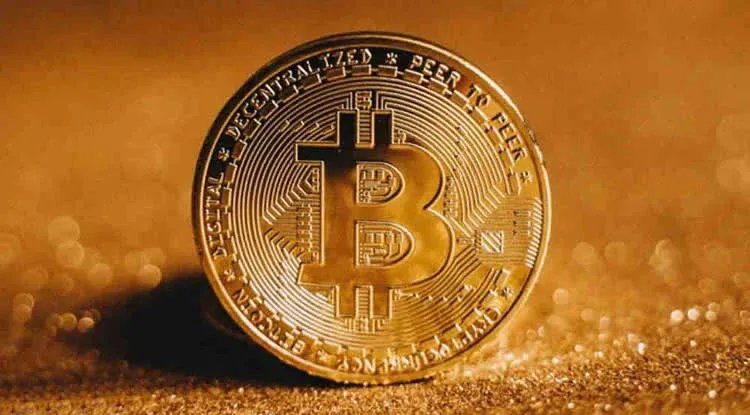
In this article we map out the subtle linkage between a severe Bitcoin correction and precious‑metal prices, dissecting the logic behind capital flows, sentiment transmission, and asset‑substitution effects. By using multi‑dimensional data and case studies, we aim to help readers clarify how the two safe‑haven assets interact, thereby informing positioning strategies amid market turbulence.
Does a Bitcoin crash impact precious metals?
The impact of a Bitcoin plunge on precious metals is not linear; it manifests through several channels:
- Capital flows: During periods of economic uncertainty or market turbulence, investors tend to move capital from highly volatile digital assets into traditional safe‑havens such as gold and silver, which can push precious‑metal prices higher.
- Sentiment transmission: A dramatic Bitcoin drop often amplifies market fear, prompting investors to seek relatively stable physical assets; consequently, gold prices may experience a short‑term rise.
- Substitution relationship: Although the two assets differ—one is a digital token, the other a physical commodity—both are viewed as stores of value. When Bitcoin breaks a key support level, a portion of the capital may flow into precious metals to achieve risk diversification.
- Market‑sentiment feedback: Bitcoin’s high volatility can deteriorate overall market mood; this negative sentiment sometimes spills over into the precious‑metal market, creating brief price pressure.
In summary, a Bitcoin downtrend can influence precious metals through allocation and sentiment channels, but it is not a decisive driver.
Does Bitcoin tend to rise after a big drop?
The price of Bitcoin or other crypto assets follows cyclical patterns. Four factors commonly help drive a rebound after a steep decline:
- Market sentiment and investor confidence
If confidence gradually returns after a crash and investors re‑enter the market with a more optimistic outlook, prices are likely to bounce back.
- Technical analysis
Traders use chart tools such as support levels and trend lines to pinpoint potential rebound zones; when a majority view a particular price range as support, buying pressure can develop and lift the price.
- Fundamental factors
Improvements in network activity, mining difficulty, and genuine demand provide a solid foundation for longer‑term price stability.
- Supply‑and‑demand dynamics
Low price points are often perceived as buying opportunities; an uptick in demand or a weakening of selling pressure can both trigger a price recovery.
Conclusion
While there is no direct price‑linkage between Bitcoin and precious metals, their correlation tends to strengthen when global financial markets experience heightened volatility. A sharp Bitcoin decline does not alone dictate the trajectory of precious‑metal prices, but it can indirectly affect them through sentiment transmission and capital‑flow shifts. When constructing a diversified portfolio, investors should consider the inter‑asset relationships and the broader market risk environment.
*All fiat transactions referenced in this discussion are typically settled in USD, with cross‑border transfers commonly routed via SEPA or SWIFT networks. U.S. residents wishing to trade crypto should use Binance.US rather than the global Binance platform.*
*Note: Gains from cryptocurrency trading may be taxable in your jurisdiction; consult a tax professional for guidance.*
Related Reading
- Is Buying and Selling Bitcoin Illegal in Mainland China? Facts & Regulations
- Bitcoin Declared Dead 415 – $100 Million from $100 Bets
- How to Buy Bitcoin on OKX in 2026: Minimums, Fees & Security Tips
💡 Register on Binance with referral code B2345 for the maximum trading fee discount. See Binance complete guide.
⚠️ Risk Disclaimer: Crypto prices are highly volatile. This is not investment advice.



