
 Bitaigen Research
 Domestic users can quickly purchase USDT on centralized exchanges such as Binance, Huobi, and OKX, or through peer‑to‑peer platforms like LocalBitcoins and Paxful.

It was a Friday night and I was trying to move funds between cryptocurrency exchanges. My phone kept pinging with price alerts, the transaction fees made my wallet feel light, and the maze of trading interfaces was downright suffocating. One misplaced click can cost you hundreds of dollars—sound familiar?
I soon realized that not all crypto platforms are created equal. Some feel like a Swiss‑army knife—feature‑rich and precise—while others are more like a butter knife trying to perform surgery, offering a painfully clunky experience. After months of trial and error (and a few costly mistakes), I finally identified the best platforms for buying and trading USDT.
The following guide is intended for both newcomers and seasoned traders. It offers an objective comparison of USDT purchase platforms, focusing on fees, transaction speed, and lesser‑known high‑quality options.
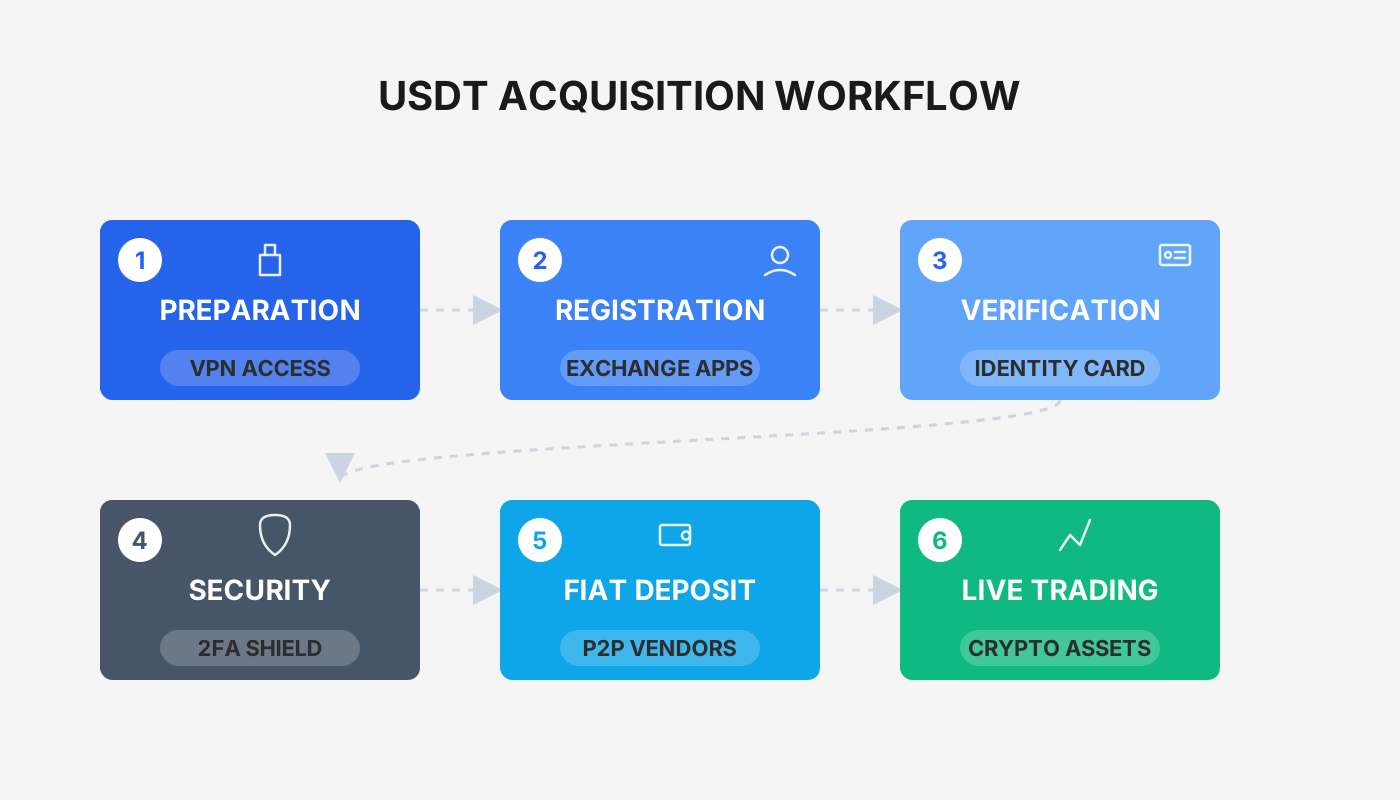
In this article we have compiled the most common USDT acquisition channels for users in the region, ranging from large centralized exchanges to peer‑to‑peer markets. We compare fees, settlement speed, and user experience so that beginners can quickly pinpoint the entry point that best fits their needs and avoid common pitfalls. To learn which platform truly balances safety and efficiency, keep reading.
What Is Tether (USDT): The Stable Digital Asset in the Crypto Ecosystem
Before diving into specific platforms, it helps to understand the basic properties of USDT. Traditional cryptocurrencies can be wildly volatile—like a moody teenager—whereas USDT plays the role of the “responsible adult” in the crypto family. It is pegged 1:1 to the U.S. dollar and claims that each token is backed by an equivalent reserve of cash or cash‑equivalent assets.
Key advantages of USDT
- Stability – its price stays around ≈ $1 USD
- High liquidity – daily trading volume exceeds $110 billion USD
- Cross‑chain compatibility – available on Ethereum, Tron, Solana, and several other blockchains
Where to Buy USDT: Overview of Top Platforms
When selecting a venue, three broad categories emerge: centralized exchanges (CEX), decentralized exchanges (DEX), and peer‑to‑peer (P2P) marketplaces. Each class brings its own set of strengths and constraints; the sections below break them down one by one.
Centralized Exchanges (CEX)
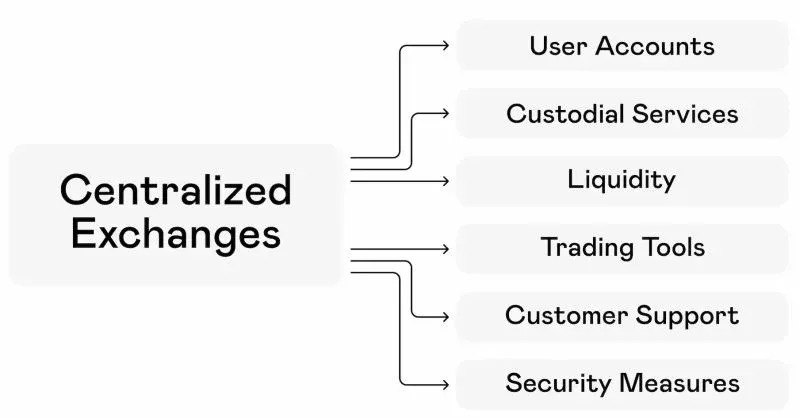
CEXs are the “Tinder” of the crypto world: low entry barriers, user‑friendly interfaces, but you must trust the operator. They typically support fiat on‑ramps, offer customer support, and are ideal for beginners who want a quick start. Below are the most frequently used CEXs among users in the region.

Binance (global) / Binance.US (U.S. users)
Founded in 2017, Binance has grown into the world’s highest‑volume crypto exchange, supporting more than 500 digital assets and offering multiple USDT purchase methods—including credit/debit cards, bank transfers (SEPA, SWIFT), and P2P.
- Website & App
- Referral code: `B2345`
- Binance (global) registration page
- Binance app download (global)
- U.S. users: use Binance.US with the same referral code where applicable.
Pros
- Trading fees as low as 0.10 % (maker‑taker)
- Deep liquidity and rapid order matching
- Supports a wide range of fiat on‑ramps (bank cards, SEPA, SWIFT)
Cons
- Some jurisdictions impose stricter regulatory scrutiny
- Feature‑rich UI can feel overwhelming for newcomers
Coinbase
Coinbase is praised for its clean UI and robust security, making it especially suitable for U.S. residents and users who prefer Apple Pay or Google Pay.
Pros
- Intuitive interface with low entry friction
- Multi‑factor security and an insurance fund for custodial assets
- Instant purchase via credit card and mobile wallets
Cons
- Higher fees; credit‑card purchases can reach up to 3.99 %
- Smaller selection of “altcoins” compared with many competitors
Kraken
Since 2011 Kraken has emphasized compliance and security, appealing to users who prioritize asset protection and competitive fees.
Pros
- Strong regulatory compliance and high security standards
- Competitive bank‑transfer fees (including SEPA)
- Advanced trading tools for professional users
Cons
- KYC verification can be slower than on some rivals
- Feature‑rich UI may require a learning curve for beginners
Crypto.com
Crypto.com offers a Visa‑linked debit card with cash‑back rewards and supports a range of stablecoins, including USDT.
Pros
- Cashback incentives combined with a crypto debit card
- Supports Apple Pay and Google Pay for instant purchases
- Mobile‑first experience that feels native on smartphones
Cons
- Wider spreads compared with some low‑fee exchanges
- Advanced trading features are more limited

KuCoin
KuCoin is known for low‑minimum trades and a relatively relaxed KYC policy, attracting privacy‑conscious users.
Pros
- Small‑ticket trading without mandatory KYC
- Broad selection of crypto assets
- Low trading fees (often 0.10 % or less)
Cons
- Liquidity is modest compared with Binance or Kraken
- Customer‑support response times can be slower

Bybit
Bybit is best known for derivatives but also offers USDT spot trading, catering to traders who might need leverage.
- Website & App
- Referral code: `B2345`
- Bybit registration page (global) – note that U.S. users should instead use Bybit’s U.S.‑compliant offering or Binance.US where appropriate.
- Bybit app download
Pros
- Comprehensive futures and margin trading suite
- Low withdrawal fees for fiat and crypto
- Clean, straightforward UI
Cons
- Limited fiat deposit options (primarily bank transfers in select regions)
- Not as beginner‑friendly as some pure‑spot platforms

OKX
OKX provides global liquidity and a wide variety of trading pairs, making it popular among professional traders.
- Website & App
- Referral code: `B2345`
- OKX (global) registration page
- OKX app download
Pros
- Competitive trading fees (often 0.10 % for makers)
- Supports P2P fiat‑to‑USDT transactions
- High liquidity ensures fast order execution
Cons
- Certain countries/regions are restricted due to regulatory reasons
- KYC verification may take longer during peak periods
Gemini
Gemini is one of the most regulated U.S. exchanges, offering insured hot‑wallet custody for added security.
Pros
- Fully compliant with U.S. financial regulations
- Insurance‑backed hot‑wallets improve fund safety
- Simple UI that is welcoming to newcomers
Cons
- Relatively high fees compared with many global peers
- Limited selection of lesser‑known altcoins
Volet.com
Volet.com leverages blockchain technology to provide low‑cost cross‑border remittance, supporting fiat withdrawals in more than 150 countries.
Key features
- Supports over 20 fiat currencies (including USD, EUR via SEPA, and GBP)
- Real‑time peer‑to‑peer transfers
- Free instant P2P for personal accounts
Pros
- Mature cross‑border payment infrastructure
- Recent additions include cash‑back and gift‑card products
Cons
- Verification process is stringent
- Card usage may be limited in some jurisdictions
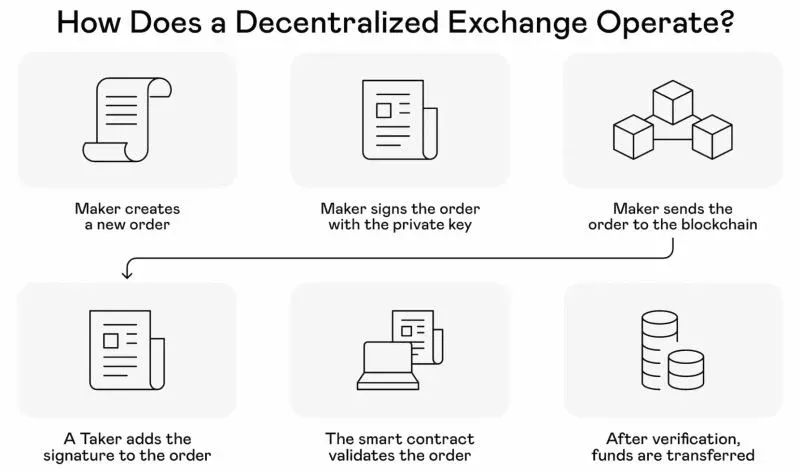
Decentralized Exchanges (DEX)
If you value privacy and want to retain full control over your private keys, DEXs let you swap USDT without any KYC requirements.

Uniswap (Ethereum)
Uniswap is the leading Ethereum‑based DEX, using an automated market maker (AMM) model and supporting the ERC‑20 version of USDT.
Pros
- No account registration needed
- Access to a vast array of DeFi tokens
- High liquidity for major pairs (e.g., USDT/ETH)
Cons
- Gas fees can become expensive during network congestion
- Large orders may suffer noticeable slippage

PancakeSwap (Binance Smart Chain)
PancakeSwap operates on Binance Smart Chain (BSC), delivering lower transaction fees and faster confirmations.
Pros
- Transaction costs are dramatically lower than Ethereum‑based DEXs
- Quick block times lead to near‑instant swaps
- Large liquidity pools for popular stablecoin pairs
Cons
- Slightly less decentralized than Ethereum‑native DEXs
- Token selection is narrower compared with Uniswap
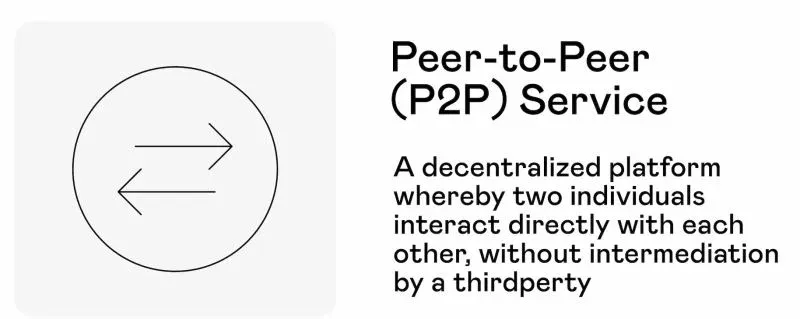
Peer‑to‑Peer (P2P) Marketplaces
P2P platforms match buyers directly with sellers, offering a variety of payment methods (bank transfers, Alipay, WeChat Pay, etc.) while remaining compliant with local regulations.

LocalBitcoins
Originally focused on Bitcoin, LocalBitcoins now also supports USDT escrow trades.
Pros
- Multiple payment options (bank wire, cash, etc.)
- Escrow mechanism reduces fraud risk
Cons
- Prices can be higher than on major exchanges due to the convenience premium

Paxful
Paxful is another globally active P2P marketplace that even supports unconventional payment methods such as gift cards and cash deposits.
Pros
- Wide variety of payment methods, including non‑bank options
- Large pool of sellers to choose from
Cons
- Higher fraud risk; users must carefully vet counterparties
Frequently Used Domestic Crypto Exchanges (Global Context)
| Rank | Exchange | Notable Features | Referral Code |
|---|---|---|---|
| 1 | Binance (global) / Binance.US (U.S.) | World’s largest, many assets, low fees | `B2345` |
| 2 | Huobi (HTX) | Complete ecosystem, strong compliance | `b6yq8223` |
| 3 | OKX | Deep liquidity, P2P support | `B2345` |
| 4 | Gate.io (also known as “Sesame Open Door”) | Hybrid CEX + DEX model | `VLIWUGTFAA` |
| 5 | Bitget | Multi‑license operation, rich financial products | `vxje` |
| 6 | Bybit | Integrated spot + derivatives | `B2345` |
Direct Access Links
💡 Register on Binance with referral code B2345 for the maximum trading fee discount. See Binance complete guide.



