
 Bitaigen Research
 For investors eager to capture high returns in the cryptocurrency market, hunting for low‑price digital assets with growth potential remains constantly appealing. A “low‑price cryptocurrency” generally refers to a token trading below a few USD; if its usage expands, it is often seen as having considerable upside. Traders are keen to unearth the next low‑price coin that could deliver a pronounced price surge, aiming to discover projects that might later resemble early‑stage mainstream cryptocurrencies in terms of returns. However, it is important to note that a low price does not automatically equate to high potential.
In 2026, the landscape of low‑price cryptocurrencies will feature three co‑existing categories: mature networks, meme coins backed by strong communities, and Web 3 infrastructure projects. Some of these projects already underpin large ecosystems, yet because of their massive token supplies, their current trading prices remain modest.
This article will guide you through the most noteworthy low‑price cryptocurrencies in today’s market, clarify the definition of a low‑price coin, and introduce projects that investors are watching for potential growth.
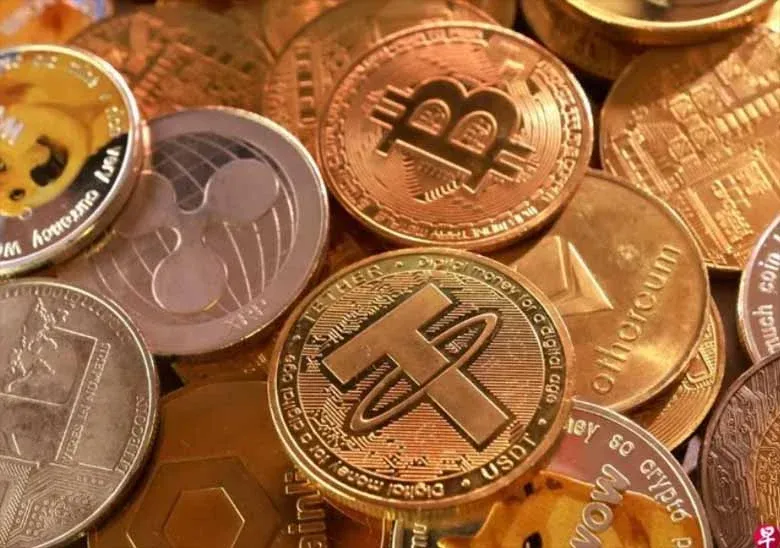
In this piece we outline the latest 2026 low‑price crypto landscape, analyzing which projects boast mature networks, active communities, or core Web 3 infrastructure advantages. By deeply assessing token supply alongside ecosystem value, we help investors differentiate assets with genuine growth potential. For the detailed ranking and the reasoning behind it, keep reading.
What Is a Low‑Price Cryptocurrency?
A low‑price cryptocurrency is a token whose unit price is relatively small, typically below 1 USD or only a few USD. The concept mirrors the “penny stock” notion in traditional equities—cheap, highly volatile, and potentially high‑reward securities.
The price of a low‑price crypto is influenced not only by supply‑and‑demand dynamics but also by its circulating supply. Some low‑price tokens have enormous circulation; even with a sizable market cap, the per‑unit price stays low.
Key Characteristics of Low‑Price Cryptocurrencies
Most low‑price tokens share the following traits:
- Low cost per individual token
- High volatility
- Strong speculative demand
- Potential for rapid percentage gains
- Higher risk compared to mainstream cryptocurrencies
These attributes make them popular among retail investors who hope to capture the next breakout project through a low entry price.
Relationship Between Price and Market Capitalization
A common misconception is equating a low price with being undervalued. In reality, a token’s price is heavily dependent on its total supply. Some tokens trade at only a few cents while still achieving market capitalizations in the tens of billions of USD.
Because of this, seasoned investors evaluate a combination of factors, such as:
- Underlying technology and real‑world use cases
- Adoption rates and partnership networks
- Developer activity levels
- Long‑term sustainability
Why Low‑Price Cryptocurrencies Are So Popular
The allure of buying low‑price coins lies in the possibility that, should a project gain strong momentum, investors could reap sizable returns. Even modest price increases translate into large percentage gains, which fuels traders’ continuous search for potential breakout assets.
The Most Worthwhile Low‑Price Cryptocurrencies (2026)
Below is a carefully curated list of low‑price cryptocurrencies worth watching in 2026. They either possess robust ecosystems, enjoy lively communities, or have tangible application cases, while still maintaining a relatively low unit price compared with other mainstream tokens.
Tips for Spotting Promising Low‑Price Cryptocurrencies Early
Identifying a low‑price token before it reaches mainstream attention can boost potential upside, though it also carries heightened risk. Investors hunting the next breakout coin usually focus more on growth signals than on the price tag alone.
- Don’t judge solely by price: Price alone cannot determine whether a token is undervalued. Many low‑price coins have massive supplies, so even if the project’s scale is impressive, the unit price stays low. Market cap, utility, and adoption levels matter more than the nominal price.
- Assess the underlying technology and real‑world use cases: Projects with clear, functional applications are more likely to sustain long‑term value.
- Monitor community activity and developer engagement: An active community often signals continued interest and organic promotion, while frequent code commits suggest ongoing development.
- Consider tokenomics and supply dynamics: Tokens with capped or deflationary supply mechanisms can experience price pressure as demand grows.
- Watch for partnerships and integrations: Collaborations with established firms or other blockchain projects can accelerate adoption.
- Evaluate the broader ecosystem: A token that serves as a utility within a larger platform (e.g., paying fees, staking, governance) may benefit from network effects.
- Stay aware of regulatory environments: While this article does not delve into tax specifics, remember that crypto gains may be taxable in your jurisdiction, and compliance with local regulations is essential.
- Use reputable exchanges: For global fiat on‑ramps, SEPA or SWIFT transfers are common for USD deposits. US‑based investors should use Binance.US rather than the global Binance platform to remain compliant with local regulations.
By systematically reviewing these factors, investors can better differentiate between low‑price tokens that merely ride hype and those with genuine growth prospects.
💡 Register on Binance with referral code B2345 for the maximum trading fee discount. See Binance complete guide.



