
 Bitaigen Research
 How to Participate in the Solv Points Airdrop
To take part in the Solv Points airdrop, you need to hold or stake SolvBTC on Arbitrum and complete the steps on the Solv platform: connect your wallet, acquire SolvBTC, (optionally) stake it, provide liquidity, or enter the yield market. By doing so you will accumulate points that could be used for a future token airdrop.
In this article we outline the complete path to earn Solv Points, from wallet connection to staking SolvBTC and providing liquidity, helping readers get started quickly and capture potential token rewards. The team also shares distinctive insights on the Bitcoin L2 ecosystem, which are worth a deeper look.
Main Topics
- Solv Protocol: builds a Bitcoin reserve for everyone; Bitcoin holders can earn yield on their holdings.
- Fundraising: has raised USD 16 million from investors such as Binance Labs, Blockchain Capital, and Laser Digital.
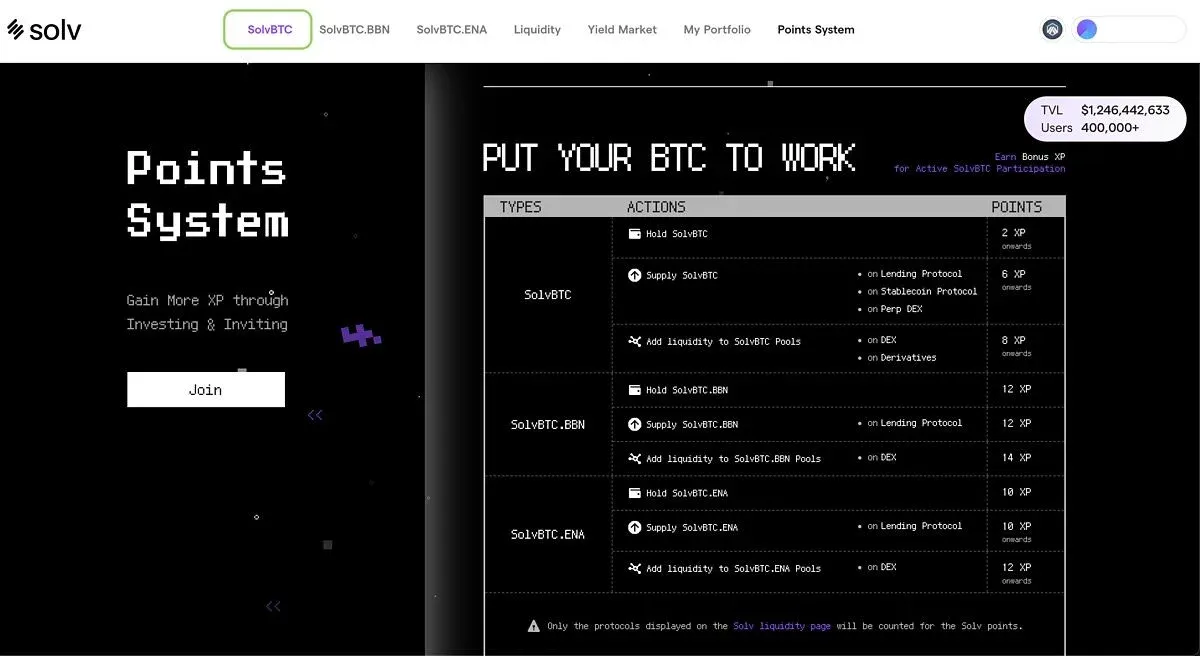
- Earning Points: users obtain Solv Points by holding or staking SolvBTC.
- Potential Airdrop: the token generation event (TGE) is slated for Q4, and points may be linked to a future airdrop.
Reflections on the BTC Ecosystem
I have been pondering whether to shift a portion of my ETH into BTC, and I share the following thoughts. Even though BTC’s price fell last year, holding ETH still made sense for several reasons:
- Yield opportunities
- L2 airdrop farming
- Protocols similar to EigenLayer
As the Bitcoin L2 ecosystem gradually takes shape, moving a modest amount of ETH into BTC can be viewed as a relatively low‑risk allocation. If the ecosystem matures, it could deliver notable returns.
Opportunities Within BTC
Following Babylon’s launch, comparable opportunities are expected to appear across the BTC ecosystem. While many Bitcoin L2s have shown modest on‑chain activity and ecosystem development, the emergence of one or two successful systems can reignite market enthusiasm—much like the 2023 explosion of the Arbitrum and Optimism ecosystems.
Why Consider a Conversion?
Given the prospect of yield farming and airdrop incentives, swapping a portion of ETH for BTC can be a low‑risk maneuver for retail investors.
Views on Bitcoin L2 Development
- New Bitcoin L2s should focus on incentivizing on‑chain activity rather than merely “deposit BTC and receive points.”
- Learn from successful points programs: most projects offer 1.5‑3× rewards to spur liquidity provision or lending, while diluting the “base” depositors.
- Explore bridges from WBTC to Bitcoin L2s to capture arbitrage and fee revenue.
- Do not rule out the possibility that meme‑style BTC bridges such as $MUBI could regain popularity.
Overall, with Babylon about to go live, I remain optimistic about Solv Protocol and recommend early participation before the crowd rushes in.
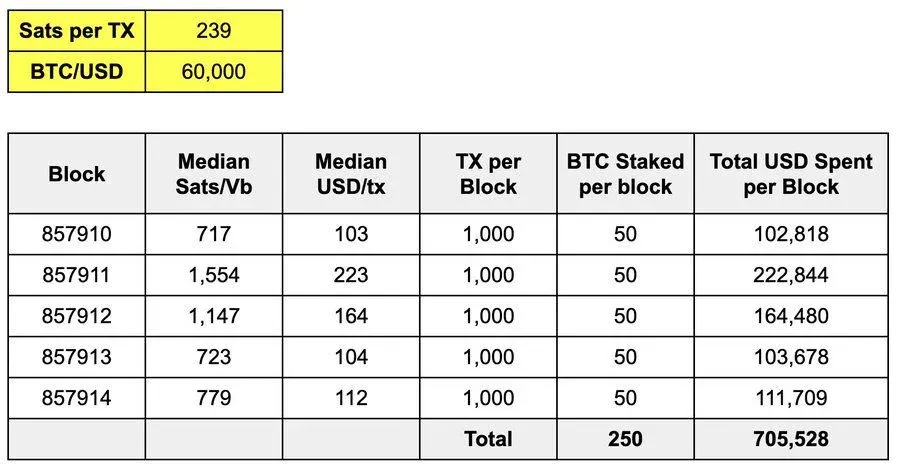
Babylon reached its funding cap almost instantly after launch: within just 5 blocks, total stakes hit 1,000 BTC, demonstrating strong demand.
- Stakers paid roughly USD 3.2 million in fees and received 250 BTC in staking rewards.
- The fees, amounting to about USD 700,000, were covered entirely by Solv.
What Is Solv Protocol?
Solv Protocol is constructing a Bitcoin reserve through SolvBTC. With transparent reserve proofs and seamless liquidity integration, its goal is to unlock over USD 1 trillion of Bitcoin assets, opening a gateway to BTC Fi and helping traditional capital confidently enter the crypto space. Its flagship product is the liquid‑staking Bitcoin SolvBTC available on the Babylon platform.
To date, SolvBTC has become the leading liquid‑staking token (LST) on Babylon, with more than 2,800 BTC staked and over 30,000 users.
The platform operates on three core pillars:
- Liquidity Consensus Network (LCN) – manages cross‑chain liquidity in a dynamic, transparent, and auditable manner, aggregating multiple liquidity sources and enabling Bitcoin transfers across networks.
Introducing SolvBTC
SolvBTC is a 1:1 Bitcoin‑backed liquid token that can be converted on multiple chains into liquid‑staking variants such as SolvBTC.BBN and SolvBTC.ENA, deployed on Bitcoin mainnet, Ethereum, BNB Chain, and other ecosystems.
The First Multi‑Chain Bitcoin LST: SolvBTC.BBN
The breakthrough of SolvBTC.BBN lies in its genuine multi‑chain nature. It can be minted on BNB Chain, Ethereum, Arbitrum, Mantle, Avalanche, Merlin, and several other chains. This cross‑chain capability lets users flexibly employ the token across diverse DeFi ecosystems, boosting liquidity and enabling seamless integration with a wide range of applications.
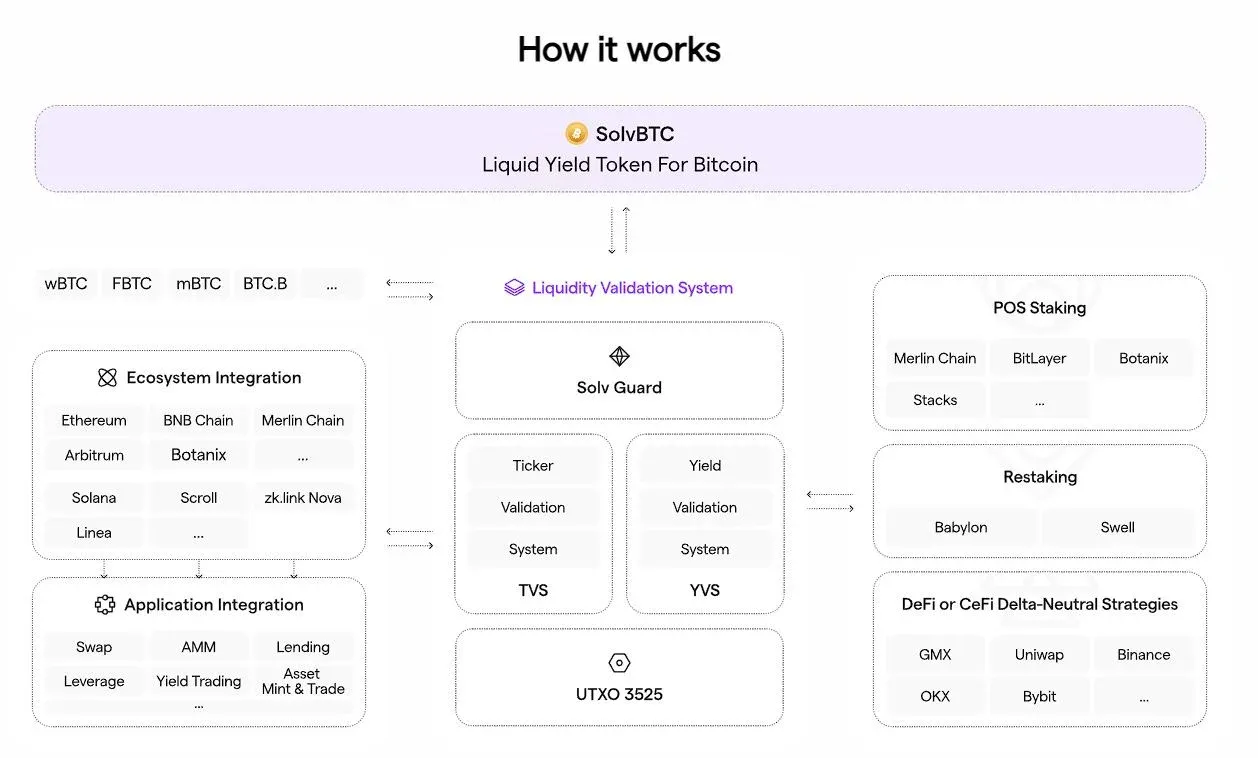
Such a multi‑chain layout not only provides flexibility but also distinguishes SolvBTC.BBN as a powerful asset compared with other Bitcoin LSTs. Through Solv, users can also access additional farming opportunities on the Fuel and Mezo networks—both regarded as potential airdrop projects.
Strategic Partners Ahead of Babylon Mainnet
To support Babylon’s mainnet, SolvBTC.BBN has locked in several Tier‑1 partners. Key collaborations include Fuel Network and Mezo Network, both co‑building a Bitcoin‑centric financial ecosystem with Solv.
- Fuel Network – a leading Ethereum Rollup OS. The integration highlights strategic alignment. As Fuel focuses on modularity and parallelization, SolvBTC.BBN holders can join Fuel’s pre‑deposit program, earn Fuel points, and prepare for its mainnet launch. Fuel previously raised USD 80 million during a period when Bitcoin was undervalued, indicating strong backing.
- Mezo Network – concentrates on the Bitcoin economic layer and has integrated tBTC (a decentralized BTC bridge), complementing SolvBTC.BBN’s reserve vision. Mezo plans to go live on mainnet in Q4, at which point Solv users will gain additional yield‑generation and DeFi participation opportunities. This partnership paves new pathways for Bitcoin Fi applications, native Bitcoin financial infrastructure, and real‑world asset tokenization.
Solv Points and the Airdrop
Users can now earn Solv Points by holding or interacting with SolvBTC. While no official token issuance has been confirmed, early participation in the points system may position users to capture potential rewards as cross‑chain Bitcoin deployments gain traction. *(Note: cryptocurrency gains may be taxable in your jurisdiction; consider consulting a tax professional.)*

Step‑by‑Step Guide to Earn Solv Points
1. Connect Your Wallet
- Visit the Solv Points page and connect using MetaMask, Rabby, or another supported wallet.
- Ensure your wallet holds Bitcoin assets on Arbitrum (e.g., WBTC) and enough ETH to cover gas fees.
2. Acquire SolvBTC
- In the “SolvBTC” section, select the desired network, input the amount you wish to receive, approve the transaction, and confirm.
- Once the transaction settles, SolvBTC will appear in your wallet.
3. Stake SolvBTC (Optional)
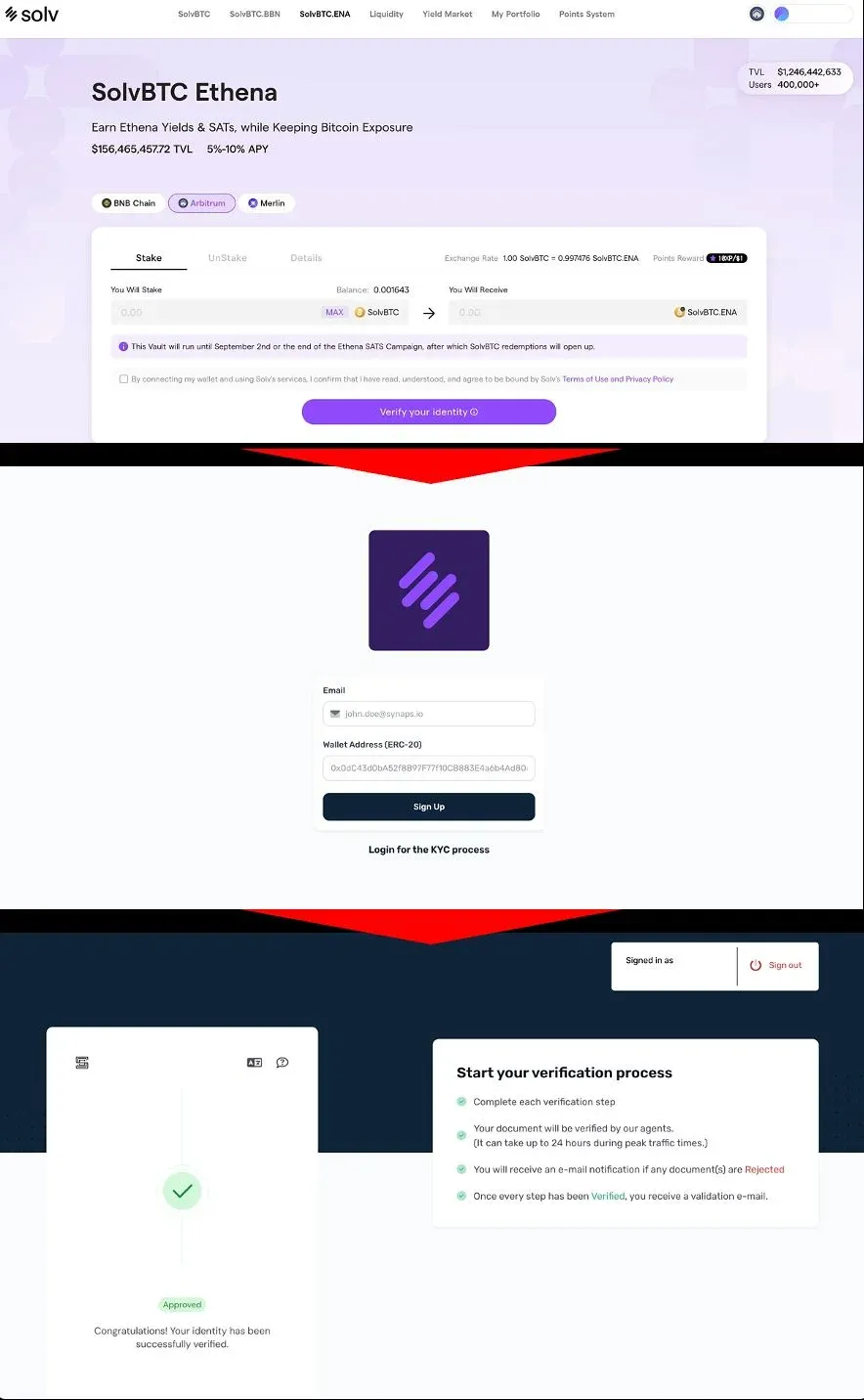
- Navigate to “SolvBTC.ENA,” complete the KYC process, and stake your SolvBTC to obtain extra rewards.
- This step is optional; simply holding SolvBTC also accrues points.
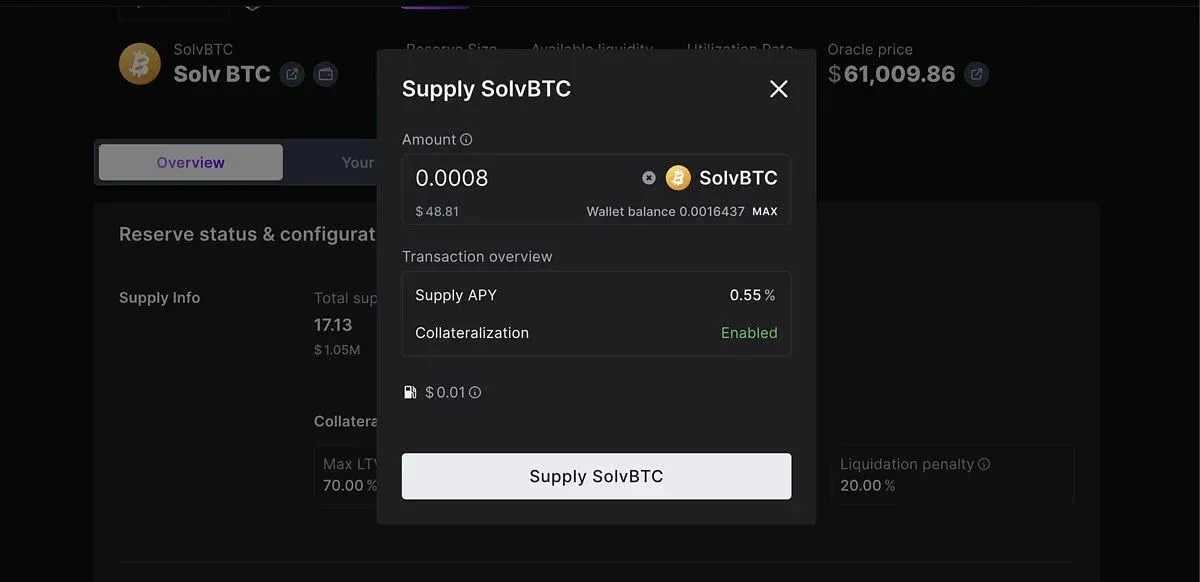
4. Provide Liquidity
- Go to the “Liquidity” page, pick any DeFi protocol, enter the amount you wish to supply, and confirm the transaction. You will receive points for the contribution.
- Liquidity is the “oxygen” of DeFi; Solv aggregates multi‑chain liquidity demand in one place, allowing users to act quickly.
5. Explore the Yield Market
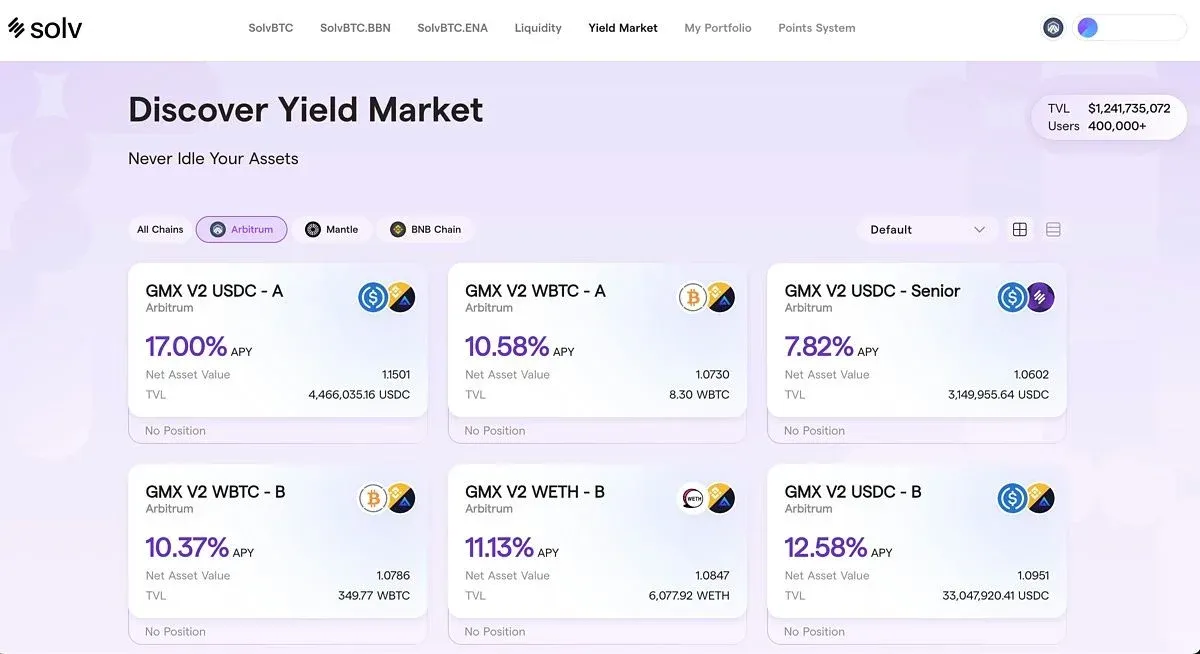
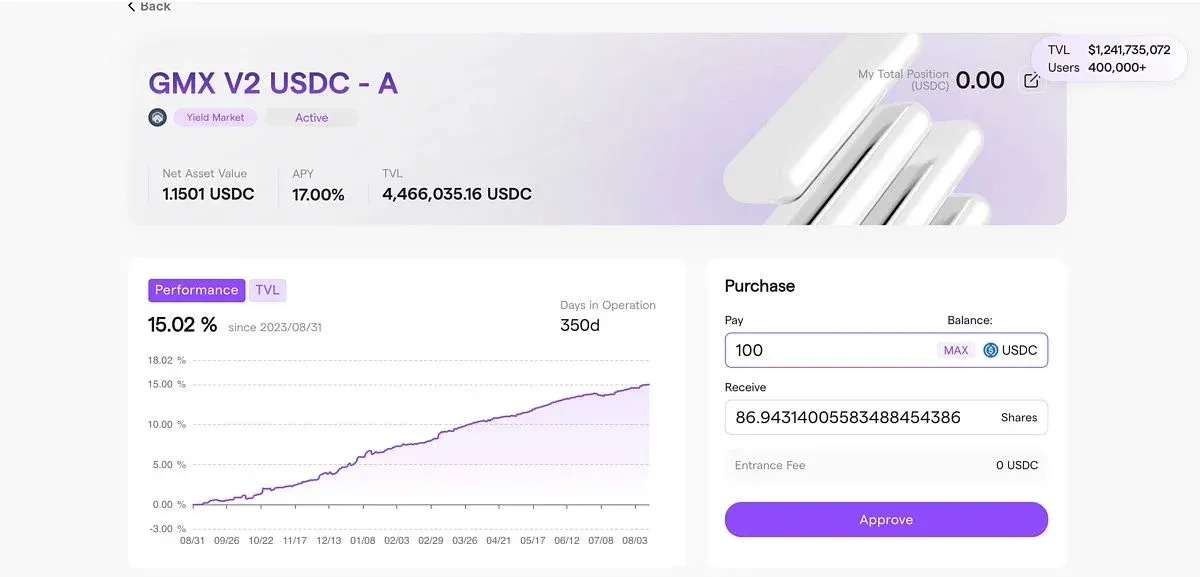
- Open the “Yield Market,” browse the list of farmable projects.
- Select a target, approve the transaction, and confirm; you will earn the corresponding points after completion.
The above constitutes the Bitaigen (Bitagene) editorial team’s complete walkthrough for “How to Participate and Earn Solv Points Airdrop.” We wish you smooth execution and look forward to the potential airdrop opportunities!
Related Reading
- Airdrop Guide: How to Safely Earn Free Tokens & Spot Scams
- ALPACA Token: Leveraged Lending & Yield Farming on BSC
- Liquidity Mining Explained: Core Concepts, LP Roles & Yield Sources
💡 Register on Binance with referral code B2345 for the maximum trading fee discount. See Binance complete guide.
⚠️ Risk Disclaimer: Crypto prices are highly volatile. This is not investment advice.



