
 Bitaigen Research
 Deep Dive into XRP Price Forecasts from 2025 to 2030: Examining Ripple’s Payments Ecosystem, XRP Ledger Utility, Token Economics, Regulatory Factors, and Scenario‑Based Projections
XRP is currently trading at roughly $2.46 USD (circulating supply about 602.6 billion, fully‑diluted market cap around $206.12 billion). The latest data show a market capitalization of approximately $124.22 billion, a 24‑hour trading volume of about $4.048 billion, a total supply near 999.9 billion, and a hard cap of 1 trillion tokens. These figures indicate that XRP remains one of the largest crypto assets by market size on a global scale.
The core value of XRP stems from the ecosystem backed by Ripple Labs (and the independent XRP Ledger), which can deliver efficient cross‑border settlement, institutional adoption, tokenisation, and ledger‑level utility. The analysis below is organised around project overview, utility, token economics, adoption drivers, risks, price outlook, and practical guidance for investors and traders.
From the perspectives of technology, ecosystem development, and regulation, we systematically dissect XRP’s developmental trajectory over the coming years and, based on multiple scenarios, present forward‑looking price expectations. The article also evaluates XRP’s practical value in cross‑border payments and its potential risks, helping market participants form a rational view. Continue reading for a complete analysis of XRP’s future trends.
What Is XRP and How Does It Work?
XRP is the native digital asset of the XRP Ledger (XRPL). The XRPL is an open‑source, decentralized ledger originally conceived in 2012 by Jed McCaleb, Arthur Britto, and David Schwartz, and it is optimised for real‑time, full‑amount settlement, currency exchange, and remittance. Unlike networks that rely on proof‑of‑work or proof‑of‑stake mining, the XRPL uses a consensus protocol that finalises transactions in roughly 3‑5 seconds.
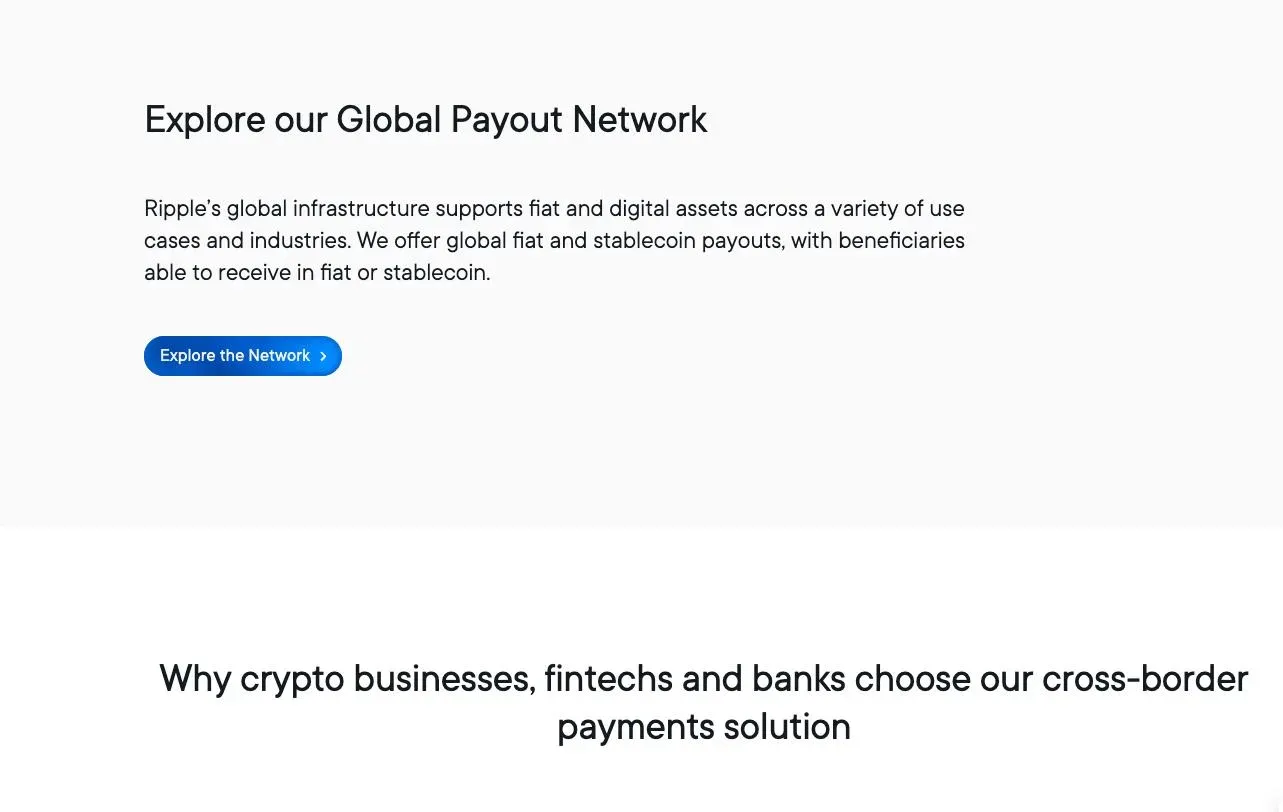
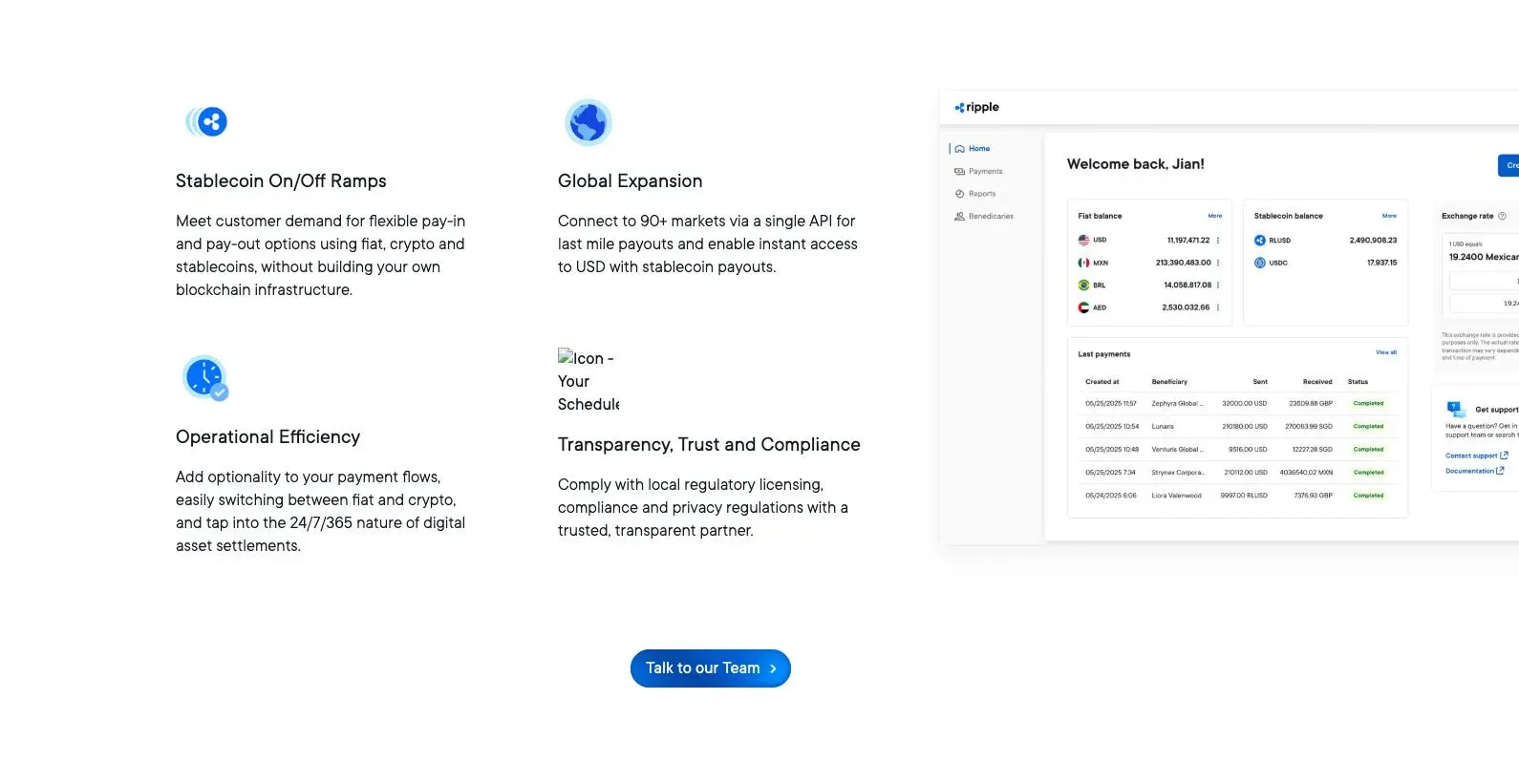
Ripple Labs has built products such as RippleNet and On‑Demand Liquidity (ODL) that leverage XRP as a bridge currency across global payment channels. Financial institutions can convert fiat currency into XRP, send it through the XRPL, and then convert it back into another fiat currency, thereby reducing capital lock‑up and accelerating settlement. The ledger includes a built‑in decentralized exchange, token issuance capabilities, and on‑chain asset transfer functions. Because all 1 trillion XRP were pre‑minted, the supply‑demand dynamics are especially pivotal for its long‑term valuation.
Token Utility and Tokenomics
XRP offers several core utilities:
- Settlement/Bridge Asset – Serves as a liquidity bridge between fiat currencies.
- Transaction Fees – Fees on the XRPL are paid in XRP, are exceptionally low, and a tiny fraction is destroyed, creating a modest deflationary pressure.
- Liquidity Tool – Institutions, exchanges, or payment networks hold XRP to enable rapid fiat‑to‑fiat conversions.
- Store‑of‑Value/Speculative Instrument – Its large market cap and deep liquidity lead many to treat XRP as a quasi‑blue‑chip cryptocurrency.
Key token metrics include a maximum supply of 1 trillion XRP, a circulating supply of roughly 602.6 billion, and a total supply of about 999.9 billion. The current amount of XRP burned as fees is minimal, but because no new tokens are being minted, structural scarcity is built into the protocol. For a meaningful price appreciation to occur, demand must increase via higher usage, broader institutional adoption, or enhanced scarcity mechanisms such as locking or staking.
Adoption and Ecosystem Drivers
XRP’s growth is influenced by several factors:
- Institutional Integration – The more banks or payment providers that partner with Ripple, the larger the real‑world settlement use case for XRP.
- Regulatory Clarity – Outcomes of regulatory reviews in the United States and worldwide (e.g., the legal classification of XRP, progress on exchange‑traded funds) act as significant catalysts.
- Tokenisation and DeFi – If the XRPL expands into tokenised assets, stablecoins, or DeFi applications, demand for XRP could rise.
- Cross‑Chain and On‑Chain Use – Bridges, ledger upgrades, wallet integrations, and similar developments help generate network effects.
- Whale Accumulation and Supply Constraints – Behaviour of large holders, custodial unlock schedules, and staking/locking dynamics directly affect price formation.
Some reports indicate that institutional wallets holding XRP have been increasing, which may suggest that accumulation is tightening supply. Monitoring on‑chain transfers, custodial release timelines, and usage metrics is therefore essential.
Competition and Regulatory Landscape
XRP competes indirectly with tokens such as Stellar (XLM), Solana (SOL), and other projects that target payment or bridging functions. Those projects typically focus on high‑throughput Layer‑1 processing, generic interoperability protocols, or pure DeFi use cases. XRP’s distinguishing feature is its deep integration with traditional finance and settlement infrastructure rather than a sole focus on decentralized finance.
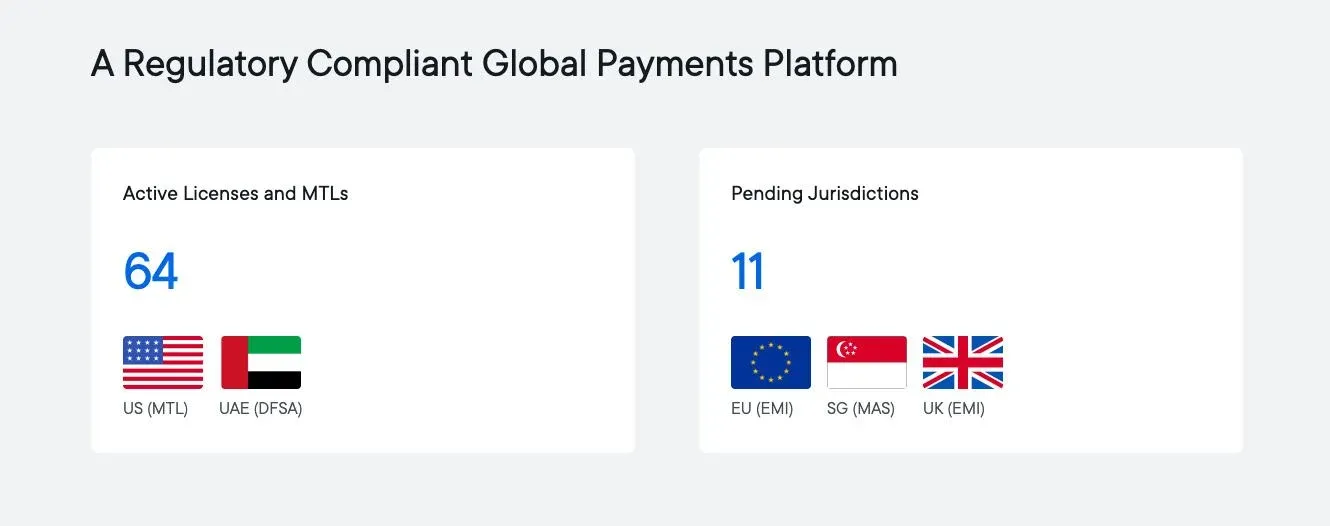
Regulatory developments remain a pivotal variable. The U.S. Securities and Exchange Commission (SEC) has been pursuing Ripple since 2020, alleging that XRP constitutes an unregistered security. A 2023 partial ruling determined that XRP traded on exchanges is not a security, but that institutional sales could still be treated as securities offerings. Ongoing litigation risk and regulatory uncertainty continue to shape market sentiment.
Primary Risks
- Regulatory Setbacks – If XRP is ultimately classified as a security or delisted from major exchanges, demand and liquidity could be severely constrained.
- Slow Adoption – Should banks and payment providers fail to expand usage, XRP may remain predominantly a speculative asset.
- Supply Pressure – Large releases from custodial reserves or the Ripple Foundation could increase circulating supply and suppress price.
- Macro / Crypto‑Market Risk – Even strong fundamentals may not shield XRP from a prolonged downturn in the broader cryptocurrency market.
- Competitive Alternatives – Emerging infrastructure such as zk‑rollups or other Layer‑1 solutions could divert value that might otherwise accrue to the XRPL ecosystem.
Key Monitoring Points
Investors and traders should keep a close eye on: regulatory announcements or ETF filing progress; XRPL transaction volume and the number of active addresses; custodial release schedules; Ripple Labs’ education and outreach initiatives; partnership developments with payment providers; on‑chain metrics such as wallet distribution and fee‑burn rates; and broader macro‑economic indicators that affect cross‑border payment flows (including SEPA, SWIFT, and other fiat corridors).
Tax Note: Gains realized from buying, selling, or otherwise disposing of XRP may be subject to taxation in many jurisdictions. Participants should consult local tax professionals to ensure compliance with applicable tax laws.
Practical Guidance for Global Participants
- U.S. Residents: Access to XRP on the global Binance platform is not available; U.S. users must trade XRP through Binance.US or other compliant U.S. exchanges.
- Fiat On‑Ramp/Off‑Ramp: When moving between fiat and XRP, the most common corridors involve USD via SEPA (for Euro‑zone users) or SWIFT for broader international transfers.
- Risk Management: Given the regulatory and market uncertainties outlined above, consider position sizing, stop‑loss levels, and diversification across assets.
By continuously tracking the variables listed and staying informed about regulatory outcomes, market participants can better assess XRP’s trajectory from 2025 through 2030 and make decisions that align with their risk tolerance and investment objectives.
💡 Register on Binance with referral code B2345 for the maximum trading fee discount. See Binance complete guide.



