
 Bitaigen Research
 In the crypto space, platforms often use tokens to provide fee discounts, governance voting, and ecosystem incentives. However, Backpack aims to add more innovative mechanisms on top of this, such as a “user‑first” allocation model and a milestone‑linked vesting schedule, designed to curb early‑holder concentration and increase community participation within the ecosystem.
Backpack’s token not only serves the traditional payment, fee‑reduction, and governance functions, but is also positioned as a long‑term incentive tool. Its release schedule is tied to the platform’s key development milestones, allowing token supply growth to stay roughly in sync with the actual expansion of the ecosystem.
From both a technical and token‑design perspective, we deeply dissect Backpack’s innovative mechanisms and ecosystem layout. This article will explain its “user‑first” allocation model, milestone‑linked vesting scheme, and deep integration with the Solana ecosystem, helping readers comprehensively assess its long‑term value and development potential. Please continue reading.
What is Backpack
Backpack is not a single product; it is a technology company that has fully embraced Web 3. The company was founded in 2022 by veteran Solana developer Armani Ferrante. All core team members have experience operating large‑scale trading systems and focus on enhancing transparency and asset security.
The project’s core competitive edge lies in organically blending a non‑custodial wallet, a licensed centralized exchange (CEX), and a well‑known NFT series. Leveraging Anchor—the most popular development framework on Solana—the team builds a product suite that balances user experience with regulatory compliance.
On the compliance front, Backpack Exchange has obtained a Virtual Asset Service Provider (VASP) licence from the Dubai Virtual Assets Regulatory Authority (VARA), laying the legal groundwork for its global operations.
Since early 2026, the project has achieved the following milestones:
- Valuation surpasses $1 billion: After the latest financing round, the company’s valuation reached the $1 billion mark.
- Token issuance roadmap: A plan to issue 1 billion tokens has been disclosed, with intentions to complete a U.S. initial public offering (IPO).
- Expansion of trading pairs and reward program: Continuous addition of spot and futures contracts, together with a volume‑based points reward system.
What is the Backpack Token
The Backpack token is a functional crypto asset that runs on the Solana blockchain, serving the Backpack ecosystem’s exchange, non‑custodial wallet, and NFT community. Unlike most platform tokens that focus mainly on fee discounts, Backpack’s token model emphasizes a “user‑first” distribution and explores a possible link between token staking and company equity.
The project recently announced that it will issue a token tied to a future U.S. listing—a rare move in the industry—intended to reduce the dilution risk faced by retail investors.
Core Features and Unique Mechanisms
- User‑first allocation: At the Token Generation Event (TGE) and during the pre‑IPO phase, up to 62.5 % of the total supply can theoretically be allocated to community users, while the team and institutions hold no tokens in the early stage.
- Milestone‑driven vesting: Instead of a linear time‑based unlock, Backpack ties token release to regulatory approvals, product launches, and other key milestones, aligning supply growth with ecosystem development.
- Potential equity bridge: The project proposes that staked tokens could be exchanged for a portion of the company’s equity—potentially up to 20 %—exploring a pathway that connects digital assets with traditional financial rights.
Token Use Cases and Application Scenarios
- Trading fees: Holding and staking the token on the Backpack exchange grants fee discounts, lowering transaction costs.
- Governance and incentives: Token holders can participate in ecosystem governance votes and receive incentives for providing liquidity, completing tasks, and taking part in NFT events.
- Value anchoring: Over the long term, the token may serve as a voucher for exchanging company equity, linking a Web 3 governance token with conventional shareholder value.
- Ecosystem expansion: As the platform extends into lending, derivatives, cross‑chain bridges, and other services, the token will assume multiple roles such as payment, staking, and collateral.
Backpack Token Economics
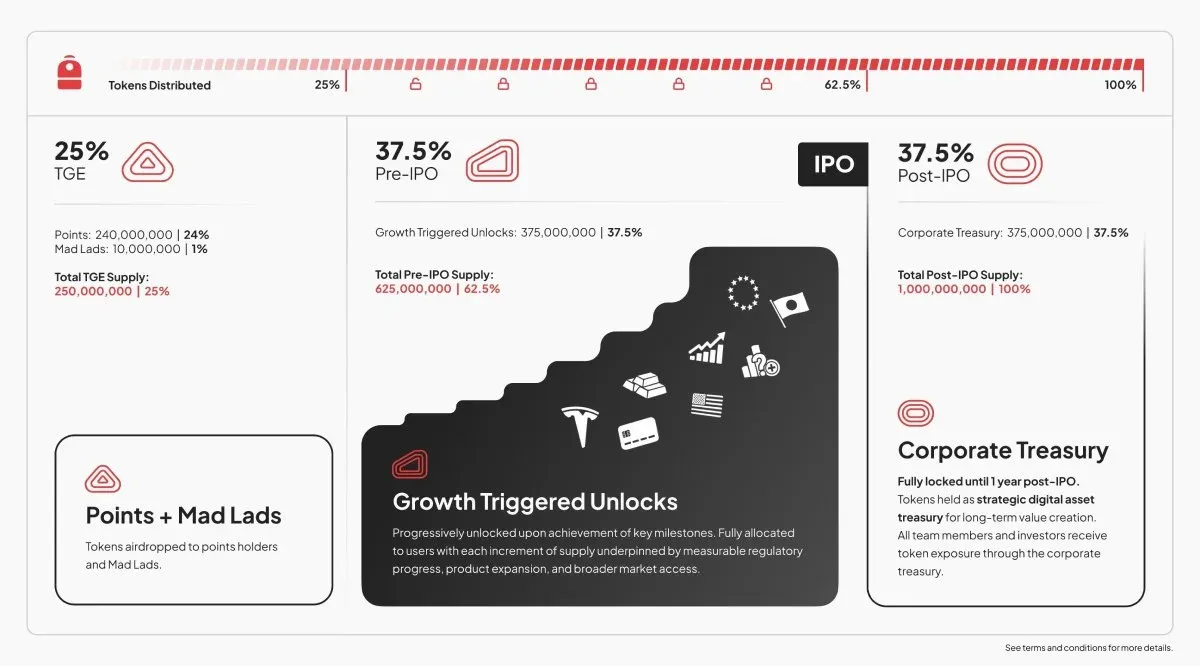
Backpack’s token issuance and release are divided into three main phases, designed to keep circulating supply changes loosely coupled with the platform’s growth trajectory.
Initial Phase: TGE (Token Generation Event)
During the TGE, 25 % of the total supply (250 million tokens) will enter the market, primarily allocated to community users. The breakdown is as follows:
- Points holders: 240 million tokens (≈ 24 %)
- Mad Lads NFT holders: 10 million tokens (≈ 1 %)
- Team / VC: 0 %
The core goal of this phase is to activate the community and provide the first round of liquidity. The project team also indicated that up to 20 % of company equity could be reserved for future token‑staking participants.
Mid‑Term Phase: Pre‑IPO (Growth Before Listing)
In the mid‑term growth period, 37.5 % of the total supply (375 million tokens) will be released gradually through ecosystem incentives and airdrops. The release schedule is not fixed; it is triggered by milestones such as obtaining regulatory licences, entering new markets, or launching key features. By the end of the Pre‑IPO stage, theoretically about 62.5 % of all tokens will have been allocated to the community.
Long‑Term Phase: Post‑IPO (Matured After Listing)
The remaining 37.5 % (375 million tokens) will be held in the company’s treasury and locked for at least one year after the IPO. This portion is earmarked for long‑term strategic spending, such as ecosystem expansion, partner incentives, or operational support. The team and investment firms will primarily participate via equity rather than holding early‑stage tokens directly.
Core Products Within the Backpack Ecosystem
Backpack Wallet
The Backpack wallet supports Solana, Ethereum, Arbitrum, and Optimism multi‑chain networks and is the first to implement the xNFT (executable NFT) standard. xNFTs allow decentralized applications to run directly inside the wallet, meaning users can play games or interact with DeFi protocols without opening a separate browser, thereby reducing the risk of malicious link attacks.
Backpack Exchange
The exchange focuses on enhancing transparency for a centralized platform:
- Zero‑knowledge reserve proofs: Users can verify platform assets without revealing any private information.
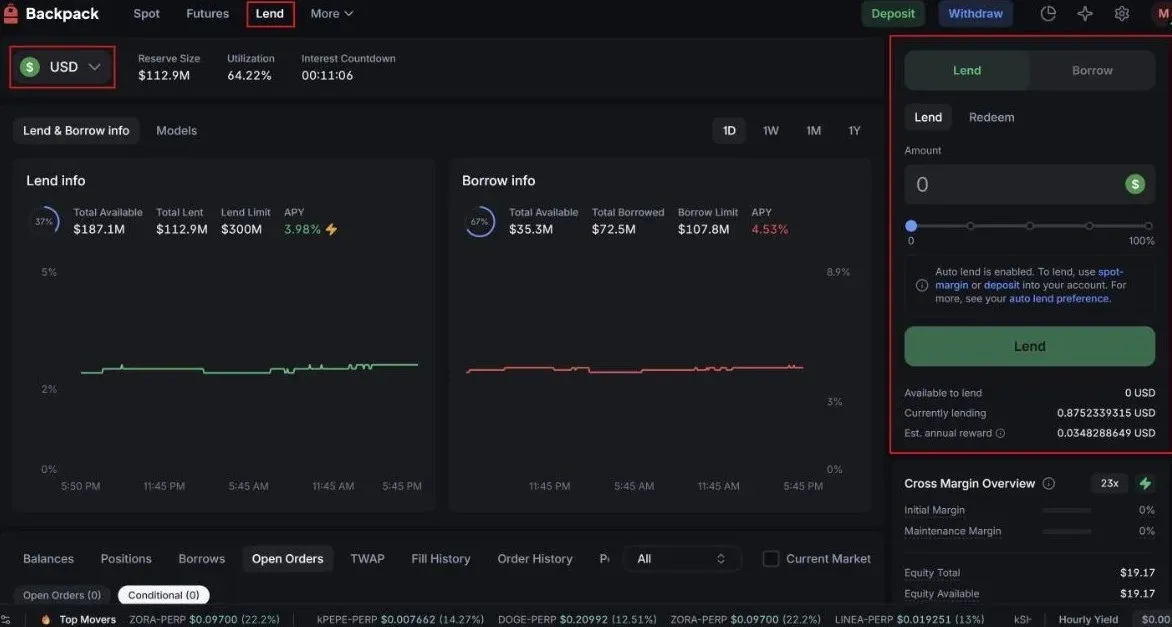
- Automated lending and margin management: Built‑in automated lending boosts yields on idle assets, while margin traders benefit from automated profit‑and‑loss handling.
Mad Lads NFT Series
Mad Lads are more than just artwork; they are an integral part of the Backpack community. The series consists of 10,000 NFTs (9,000 male avatars and 1,000 female avatars). Holders enjoy multiple privileges, such as VIP 1 fee discounts, staking rewards, and priority access to ecosystem events.
How to Interact and Earn Backpack Reward Points
Users can follow these steps to join the ecosystem and accumulate points, increasing their chances of future airdrops:
- Create an account: Visit the official website or download the iOS / Android client.
- Complete KYC: Passing Know‑Your‑Customer verification is required to legally deposit funds and trade.
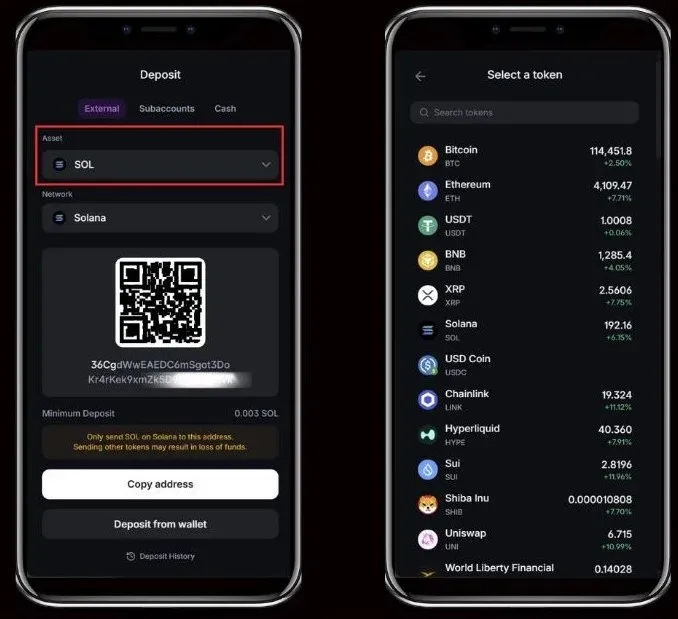
- Deposit assets: Transfers from personal wallets are supported, as well as fiat deposits via bank transfer (SEPA/SWIFT) or credit‑card purchases of USD.
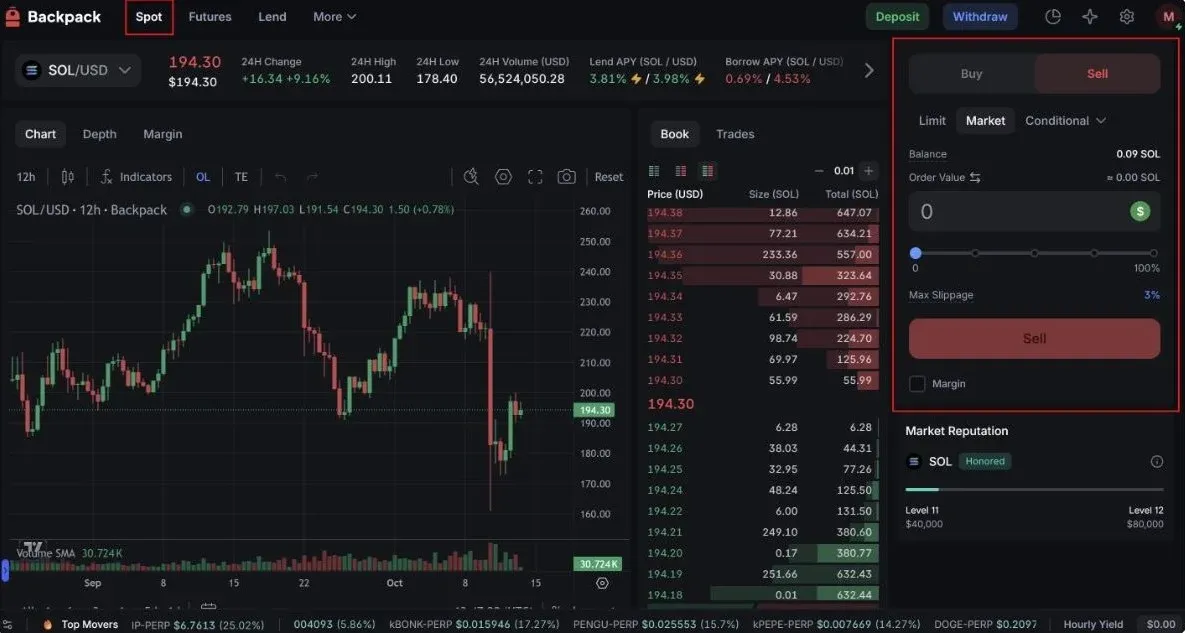
- Execute trades: Conduct spot or futures trades; higher trading volume yields more reward points.
- Use lending features: Deposit assets into the lending pool to earn passive income and improve on‑chain interaction efficiency.
Potential Risks of the Backpack Token
Although the model is innovative, several uncertainties remain:
- IPO pathway risk: Token value is heavily linked to the success of the future IPO. Delays or failure due to market conditions, regulatory hurdles, or company‑specific issues could undermine long‑term value expectations.
- Regulatory compliance risk: Tying a token to equity is unprecedented globally and may trigger securities regulations in various jurisdictions, potentially affecting token tradability and valuation.
- Liquidity and dilution risk: To enable equity conversion, tokens may be subject to long staking lock‑up periods, limiting liquidity. Moreover, milestone‑based releases could still cause short‑term spikes in circulating supply, exerting price‑dilution pressure.
- Platform development risk: As a newly compliant trading platform, Backpack must still prove its ability to grow users, innovate products, and compete effectively. Failure to meet core business targets would directly weaken token demand and value capture.
Security Best Practices When Using Backpack
Even with strong technical foundations, users should follow these security guidelines:
- Strong passwords: Use a unique, non‑reused password for each platform.
- Two‑factor authentication (2FA): Enable 2FA via an authenticator app to enhance account protection.
- Anti‑phishing code: Set a personal identification code and only act on official communications that contain this code, reducing phishing risk.
Backpack merges wallet, exchange, and NFT functionalities into a single experience, redefining how users interact with crypto assets. With a $1 billion valuation and a clear IPO roadmap, the project draws particular attention in the current market cycle.
Frequently Asked Questions
When will the Backpack TGE take place?
The official TGE is slated for around March 23, 2026, with the exact date to be confirmed by the project’s announcements.
What is the total supply of the Backpack token?
The token has a fixed supply of 1 billion units, and the team has stated there are no plans for future minting.
Do the team or VCs receive any tokens during the TGE?
All 250 million tokens released at TGE are allocated to community users; the team and investment institutions receive none.
What is the “token‑for‑equity” mechanism?
By staking Backpack tokens, users may later obtain the right to exchange them for a portion of the company’s equity, potentially up to 20 % of the total shares.
How are tokens released during the Pre‑IPO stage?
Releases are tied to key platform milestones—such as regulatory approvals or product launches—rather than a fixed linear schedule.
Summary
Backpack attempts to forge a new bridge between Web 3 projects and traditional financial value by combining three innovations: a user‑first allocation, milestone‑driven vesting, and a potential equity bridge. Compared with conventional platform tokens that merely offer trading discounts, Backpack’s token plays multiple roles—governance, incentive, and long‑term value capture. As the ecosystem continues to roll out, the real‑world performance of this model will still need to be validated by the market.
This concludes the comprehensive overview of what the Backpack token is, how it works, and its economic outlook. For deeper analysis, please search for previous Bitaigen (比特根) articles or continue exploring the related links below. Thank you for your continued support of Bitaigen!
💡 Register on Binance with referral code B2345 for the maximum trading fee discount. See Binance complete guide.



