
 Bitaigen Research
 Is the OKX Web3 Wallet Secure?
OKX Web3 Wallet uses multiple layers of encryption, hardware signing, and multi‑factor authentication. Within today’s security framework it is regarded as safe and reliable, but it cannot guarantee absolute 100 % protection.
We evaluate the security and reliability of the OKX Web3 Wallet from both technical and practical perspectives, dissecting its multi‑factor authentication, hardware signing, and end‑to‑end encryption mechanisms. We also point out the risk areas that still require user vigilance. The full article will help you decide whether this wallet meets your asset‑security requirements, so read it carefully.
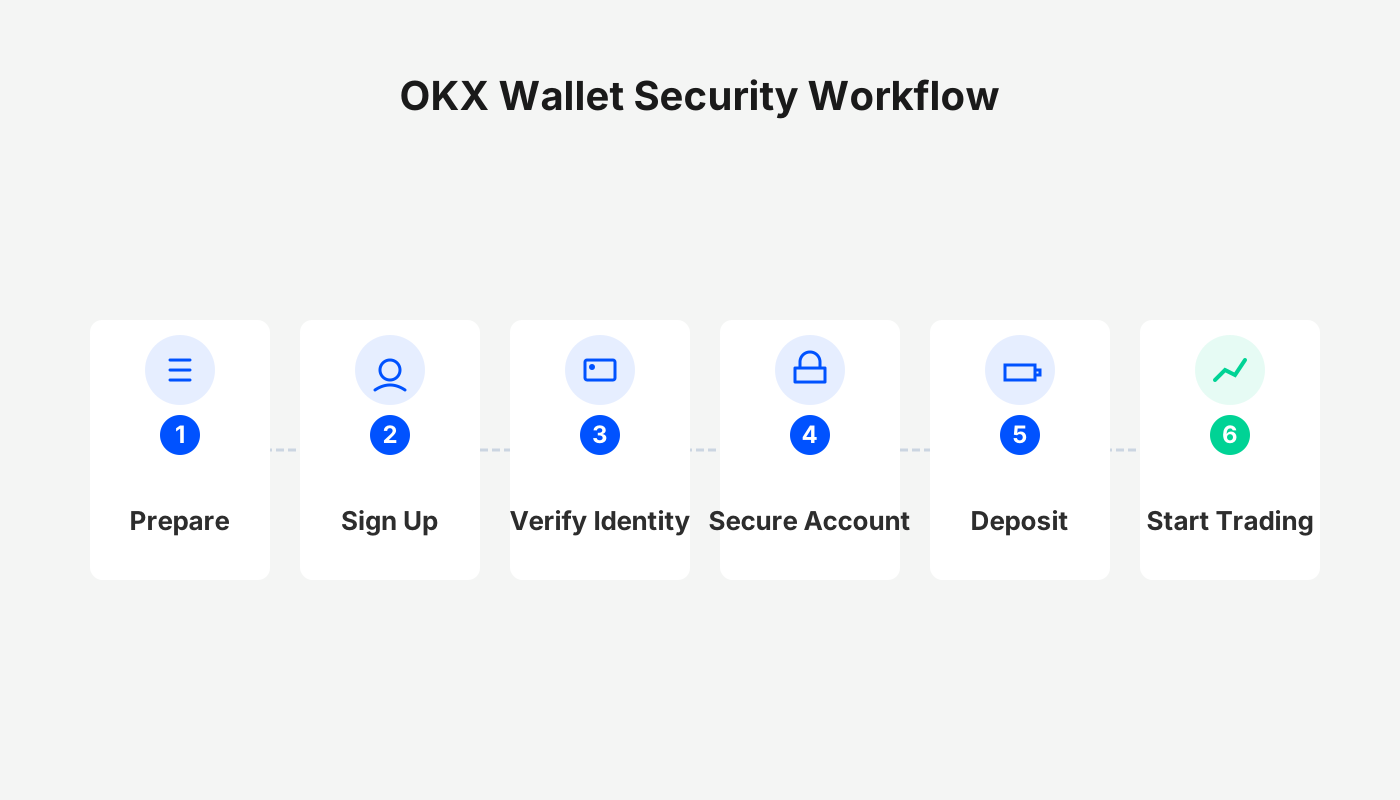
Is the OKX Web3 Wallet Safe?
OKX Web3 Wallet lowers the risk of asset theft through a series of security layers. It employs multi‑factor authentication, hardware security modules (such as hardware wallets), and encryption technologies to provide users with the following protections:
- Multi‑factor authentication: Supports SMS codes, email codes, fingerprint or facial recognition, and other methods to ensure that only authorized users can complete a transaction.
- Backup and security questions: Users can set their own recovery seed phrase and security questions, offering a way to unlock the account if it is compromised.
- Hardware device support: Integration with hardware wallets enables multi‑signature transactions, enhancing safety and preventing unauthorized third‑party actions.
- End‑to‑end encryption: All account information and transaction data are processed with advanced encryption algorithms, guarding against data leakage or tampering.
Although no wallet can promise 100 % security, these measures substantially reduce common attack vectors. Users should still stay vigilant while using the service.
Is the OKX Web3 Wallet Reliable?
OKX Web3 Wallet also scores well on reliability:
- Advanced encryption algorithms – Wallet addresses and transaction data are encrypted, ensuring privacy and integrity throughout the transfer process.
- Multi‑factor authentication mechanism – Transactions or logins require a combination of password, SMS code, or biometric verification, raising the difficulty for illicit access.
- Continuous security upgrades – The platform regularly updates cryptographic protocols, refines user‑authentication flows, and strengthens internal security audits.
- Industry collaboration and sharing – Active participation in blockchain security alliances and knowledge exchange with other projects helps raise the overall protection level of the ecosystem.
Key Points Users Should Keep in Mind
- Private‑key management – The core of a Web3 wallet is the private key that the user controls. It is essential to back up the seed phrase securely and avoid exposing it offline.
- Phishing protection – Only download or access the wallet through official channels. Remain alert to counterfeit websites and malicious links.
- Regular audits – Periodically review account activity and enable security notifications promptly to detect and address abnormal behavior.
In summary, the OKX Web3 Wallet offers a relatively high degree of security and reliability within the current technological landscape. Nevertheless, the user’s own security awareness and operational habits remain the decisive factors in safeguarding digital assets.
Related Reading
- Crypto Staking Benefits: Passive Income & Network Security
- Cryptocurrency Contract Addresses: Why Accuracy Matters
- 2025 Cross‑Chain Bridge Guide: Top 5 Asset Migration Options
💡 Register on Binance with referral code B2345 for the maximum trading fee discount. See Binance complete guide.



