
 Bitaigen Research
 Bitcoin (BTC) is a digital asset built on blockchain technology, primarily used for peer‑to‑peer value transfer and storage. Bitcoin ETFs are a class of exchange‑listed fund products that aim to replicate the price movement of Bitcoin. They do not hold Bitcoin directly; instead, they use financial derivatives so that investors can trade Bitcoin’s price fluctuations on traditional stock markets.
In this article we outline the core concepts of Bitcoin ETFs, the differences between spot‑based and futures‑based structures, and how to obtain them on various exchanges, helping investors decide which product best matches their risk tolerance. For details on the purchase process and important considerations, keep reading.
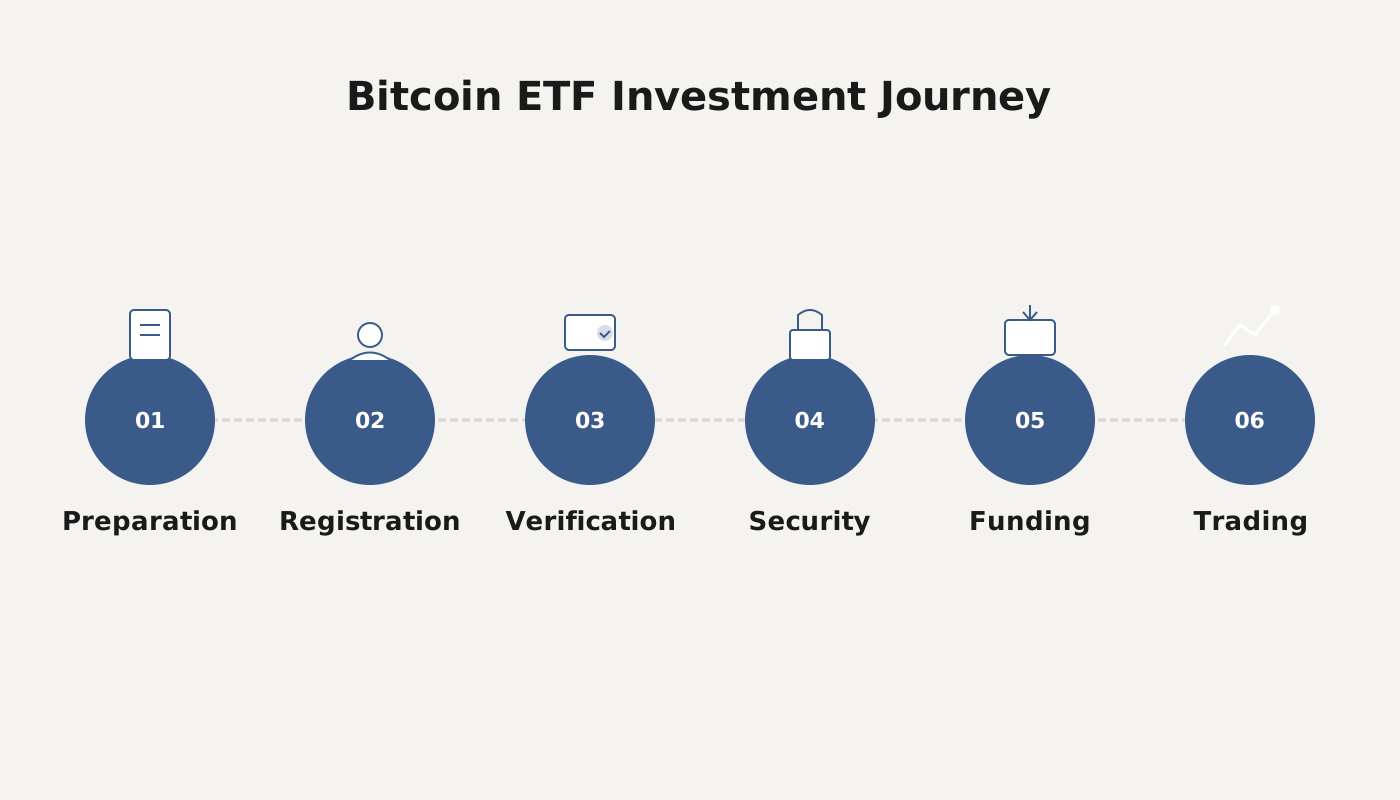
Can you buy a Bitcoin ETF?
In today’s crypto‑investment landscape, Bitcoin ETFs have become a common way to gain exposure to Bitcoin without directly managing private keys or storing the cryptocurrency yourself. Investors simply buy and sell ETF shares on a securities exchange to participate in price movements. Depending on the product’s structure, there are two main categories:
- Spot Bitcoin ETF – The fund physically holds Bitcoin, and the net asset value (NAV) of each share is tied to the real‑time market price of the underlying holdings. Buying this ETF is effectively an indirect way to own Bitcoin, although the investor does not possess the actual coins.
- Futures Bitcoin ETF – The fund does not own Bitcoin; instead, it invests in Bitcoin futures contracts. By taking long or short positions in those contracts, the fund reflects market expectations for Bitcoin’s future price, making it suitable for traders who want speculative exposure without holding the asset itself.
Several exchanges worldwide have already launched Bitcoin ETF products, allowing investors to choose either the spot or futures version according to their personal risk preferences.
How to purchase a Bitcoin ETF?
As of now, no jurisdiction has approved a spot Bitcoin ETF for domestic listing in Mainland China, so investors seeking Bitcoin ETF exposure generally have to access futures‑based products through overseas channels. The two most common routes are:
1. Proxy (Sub‑account) Order Placement
If you already hold a securities account in a country where Bitcoin futures ETFs are tradable, you can request a local broker to act as a proxy, submitting orders on your behalf in the foreign market. Advantages of this method include:
- Avoiding the lengthy process of opening an overseas account yourself
- Receiving one‑to‑one guidance from professional support staff, which can simplify tax handling
The downside is that proxy services usually charge higher commission fees.
2. Direct Connection to an Overseas Broker
Open an account with a broker that is registered abroad and trade directly on its platform. Common overseas brokers that support Bitcoin ETFs include:
- Futu Securities / Futu NiuNiu
- Firstrade
- IC Markets
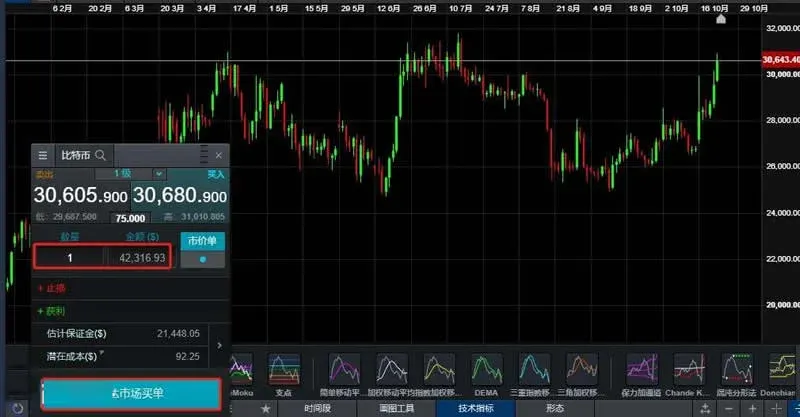
Using IC Markets as an example, the basic steps to buy a Bitcoin futures ETF are:
- Log in to the IC Markets (or CMC Markets) platform, go to the homepage and click the “Cryptocurrency” tab.
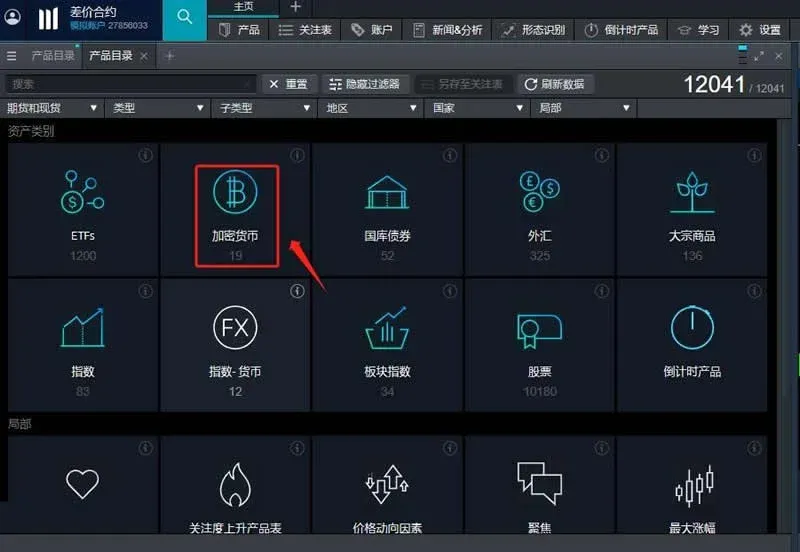
- In the cryptocurrency list locate Bitcoin, then click the “Buy” or “Sell” button on the right side; a trading window will pop up.
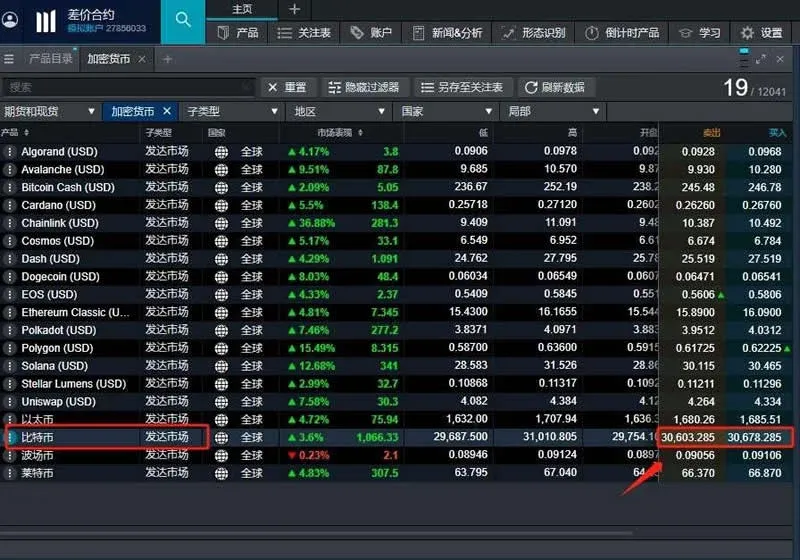
- Fill in the purchase amount in the dialog, confirm that you have sufficient margin, and submit a market order to complete the transaction.
Investment Considerations
Bitcoin and its derivatives are inherently volatile, and the associated risks should not be taken lightly. Regardless of which ETF you choose, you should only proceed after thoroughly understanding the product’s structure, fee schedule, and your own risk tolerance. Before making a decision, it is advisable to:
- Conduct in‑depth market research
- Consult a qualified financial adviser for personalized guidance aligned with your financial goals
Only after a careful assessment can you better manage the potential investment risks.
Additional notes for a global audience:
- Transactions are typically settled in USD; if you are funding your account from Europe, SEPA or SWIFT transfers are commonly accepted.
- U.S. residents must use Binance.US or other U.S.-registered platforms rather than the global Binance site.
- Crypto‑related gains may be subject to taxation in your local jurisdiction; consider consulting a tax professional to ensure compliance.
Related Reading
- How to Safely Buy Bitcoin & Earn Transaction Fees
- How to Mine Bitcoin at Home with CPU: Beginner's Guide
- OTC Bitcoin Trading: Institutions Opt for Large‑Volume Deals
💡 Register on Binance with referral code B2345 for the maximum trading fee discount. See Binance complete guide.



