
 Bitaigen Research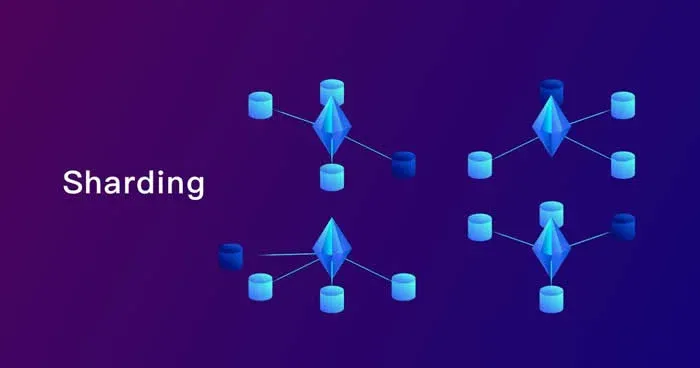
In this article we systematically review the concept and function of shard chains, explain how they increase network throughput and lower costs by means of parallel sub‑chains, and explore the technical motivations and practical value behind them. Understanding these core points will help readers grasp the latest advances in blockchain scalability; the following sections will expand on the details.
Overview
Shard Chain refers to the division of a blockchain network into multiple parallel‑running sub‑chains, each possessing its own ledger and state, capable of processing transactions simultaneously to boost overall throughput and efficiency.
A shard chain is a technical solution aimed at enhancing blockchain scalability. It splits the entire network into several shards, each functioning like an independent sub‑chain with its own transaction history and state information. Unlike a single‑chain architecture, multiple shards can operate in parallel, thereby markedly increasing the network’s processing capacity.
Significance of Shard Chains
- Performance boost: Parallel processing dramatically reduces transaction latency and fees.
- Support for more users: High throughput enables use‑cases such as finance, supply chain, and digital identity to handle larger volumes of concurrent transactions.
- Reduced resource consumption: Sharding lightens the computational load on individual nodes, which in turn lowers energy usage and maintenance costs.
These advantages help blockchain technology move toward broader real‑world adoption, making high‑frequency trading and big‑data processing feasible.
Origin and Core Objectives
Traditional single‑chain designs encounter slow transactions, network congestion, and high fees as business demand grows. Shard chains emerged to address these issues, with three primary goals:
- Parallel processing: Divide the network into multiple independent shards, each responsible for transaction verification and state updates.
- Increase throughput: The overall transaction processing rate of the network scales linearly with the number of shards.
- Improve user experience: Shorter confirmation times and lower costs encourage blockchain deployment in practical scenarios.
By pursuing these objectives, shard chains aim to build a more efficient, scalable, and user‑friendly blockchain ecosystem.
Concrete Benefits
- Higher transaction rates: Parallel shards allow the network to handle a large volume of transactions concurrently, substantially raising throughput.
- Fit for high‑frequency use cases: Industries such as finance, supply chain, and the Internet of Things, which require massive concurrent processing, can directly benefit.
- Lower transaction costs: Parallel execution reduces the resource consumption per transaction, making micropayments and small‑value transfers more attractive.
In summary, shard chains enhance blockchain scalability and practicality through a parallelized architecture, providing the technical foundation for blockchain adoption across multiple sectors.
Localization note: When converting crypto assets to fiat, USD transactions are commonly settled via SEPA or SWIFT channels. Residents of the United States should use Binance.US rather than the global Binance platform to remain compliant with local regulations.
That concludes the detailed explanation of the cryptocurrency term Shard Chain. For more information about shard chains, please follow additional articles on Bitaigen (比特根).
Related Reading
- Blockchain Sharding: Boost Scalability & Throughput
- Ethereum Sharding 2023: Faster Performance, Lower Gas Fees
- Ethereum Pectra Upgrade 2025: Faster, Cheaper Transactions
💡 Register on Binance with referral code B2345 for the maximum trading fee discount. See Binance complete guide.



