
 Bitaigen Research
 A Comprehensive Guide to Bitcoin Public and Private Keys (Global Market Context)
Blockchain champions the most revolutionary technology in financial services, promising banking access for the unbanked and returning power to the people. Yet, although Bitcoin was created to replace existing centralized systems, the common ground between traditional finance and blockchain is far greater than you might imagine.
A Bitcoin public key is the public code used to generate a receiving address, while a private key is the secret number that controls the spending of bitcoins at that address; together they determine a unique wallet address.
Cryptocurrency wallets rely on a pair of keys: the private key is a secret number that lets you use the cryptocurrency; the public key (from which the wallet address is derived) can be freely shared to receive funds. Safeguarding the private key is critical—anyone who possesses the private key can access your crypto; if the private key is lost, you also lose control over the assets.
Understanding the distinction between public and private keys is essential for mastering how Bitcoin and other cryptocurrencies operate. These keys form the cryptographic security foundation of blockchain systems, defining your digital identity and authorization mechanisms. This article delves into the concepts of public keys, private keys, and addresses, explains how they relate to each other, and highlights the importance of private‑key protection. Real‑world examples illustrate the consequences of improper storage. In addition, we review technological developments up to 2025—including wallet improvements and quantum‑computing threats—to the future security landscape of private keys.
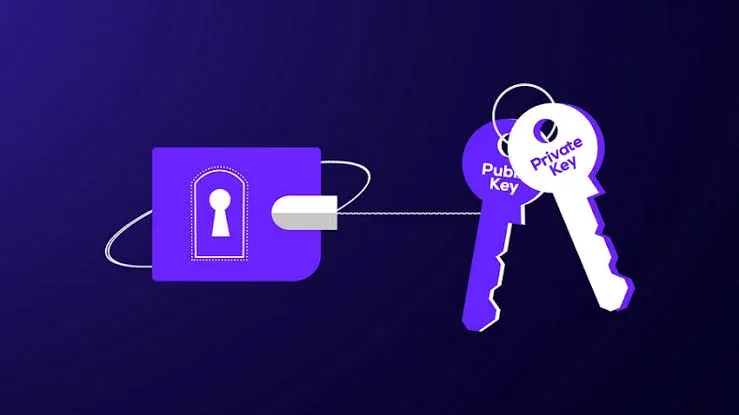
In this guide we systematically outline the generation principles of Bitcoin public keys, private keys, and wallet addresses, emphasizing the core points of key security and reviewing recent technological advances that affect asset protection. Through case analysis and practical recommendations, readers will build a reliable defense system, gain deep insight into the cryptographic logic behind digital assets, and prepare for the upcoming chapters that expand on these topics.
Bitcoin Wallet Addresses
Blockchain networks use wallet addresses to track the balance of each account, much like a bank account number. A Bitcoin address is an alphanumeric string 26–35 characters long, commonly beginning with `1`, `3`, or `bc1`. These addresses denote the path for receiving funds but are not equivalent to the private key or public key themselves.
To differentiate addresses from keys, you need to understand the role of hashing.
What Is a Hash?
A hash function takes an input of any length and produces a fixed‑length hash value. Even a tiny change in the original data yields a completely different output, while reverse‑engineering the original data from the hash is computationally infeasible. Bitcoin employs hashes in addition to public keys to boost security—because the public key is not revealed until a transaction is broadcast, an attacker cannot derive the private key from a known hash.
Public Keys, Private Keys, and Addresses: The Basics
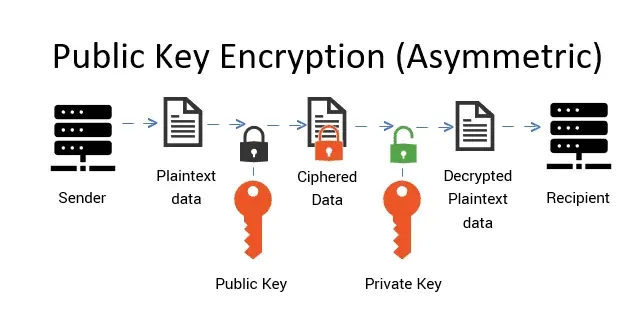
In Bitcoin and most other cryptocurrencies, transactions rely on public‑key cryptography (specifically the Elliptic Curve Digital Signature Algorithm, ECDSA). Each user possesses a mathematically linked pair of keys:
- Public key (or its hash) is processed to generate a wallet address, analogous to a bank account number or an email address. It can be shared freely to receive Bitcoin. For example, the address `1BoatSLRHtKNngkdXEeobR76b53LETtpyT` originates from the user’s public key.
- Private key is comparable to a PIN or password; only the owner knows it. It is a 256‑bit random number (often represented as a 64‑character hexadecimal string). Possessing the private key allows you to spend the bitcoins associated with the corresponding address. If the private key is exposed, anyone can move the assets; if it is lost, control of the assets is permanently gone, even the Bitcoin creator Satoshi Nakamoto cannot recover them.
Summary: Public key = unique receiver (shareable); Private key = spender/control (kept secret). Together they enable Bitcoin’s core function: after funds arrive at an address, the private key signs a transaction that authorizes the transfer of those assets.
Relationship Between Public and Private Keys
- Generation flow: Private key → Public key → Address. According to current cryptographic assumptions, it is infeasible to reverse‑engineer a private key from a public key or address.
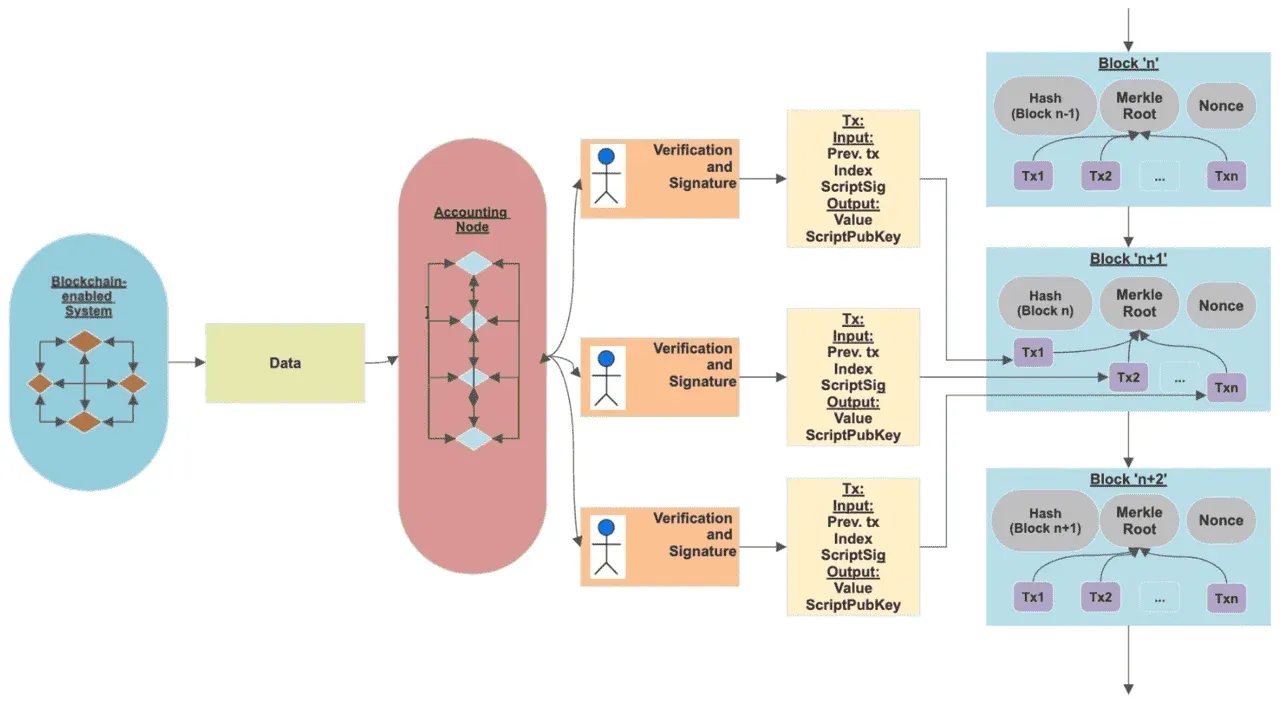
- Signature verification: When a user initiates a transfer, the wallet uses the private key to create a digital signature and submits it to the network. Nodes use the corresponding public key to verify the signature’s validity and check that the public‑key hash matches the target address. This process proves ownership without ever revealing the private key.
Consequently, the security of the private key directly determines asset safety, while the public address can be safely shared.
Bitcoin’s Privacy and Public Nature
Bitcoin transactions involve many technical terms, among which the distinction between compressed and uncompressed public keys is particularly common. A compressed public key retains only the X‑coordinate and adds a prefix byte that allows reconstruction of the full coordinate, resulting in shorter addresses. All addresses embed a checksum that detects input errors early, reducing the risk of mis‑directed transfers.
Although addresses are not human‑readable, the industry has introduced services similar to ENS (Ethereum Name Service) called Bitcoin Naming Services, enabling users to map complex addresses to memorable textual labels.
Private‑Key Generation and Mnemonic Phrases
Private keys are usually derived from a mnemonic phrase (12–24 randomly chosen words). The mnemonic is processed through functions such as PBKDF2 to generate a seed, which is then used to compute the private key, its corresponding public key, and the payment address. A 256‑bit private key has 2⁶⁴ possible combinations—far beyond any realistic brute‑force capability. Bitcoin employs the SHA‑256 hash algorithm, making it practically impossible for an attacker who knows the address and public key to guess the private key.
51 % Attacks and Quantum Threats
In theory, Bitcoin could still suffer a 51 % attack; however, as network hash power becomes increasingly decentralized, this risk has diminished substantially. Quantum computing poses another potential threat—quantum algorithms could, in principle, break SHA‑256 within minutes. Nevertheless, the consensus in the community is that achieving such an attack before 2025 would still require decades of development. To prepare for future risks, NIST released post‑quantum cryptographic standards in 2024, and Bitcoin could adopt a quantum‑resistant signature scheme via a soft fork.
Why Private‑Key Security Matters
Below are common best‑practice measures for protecting private keys:
- Trusted wallets: Prioritize hardware wallets (e.g., Ledger, Trezor) or audited software wallets; avoid applications from unknown sources.
- Mnemonic backup: Write the 12/24 words on paper or metal plates and store them in fire‑ and water‑proof locations.
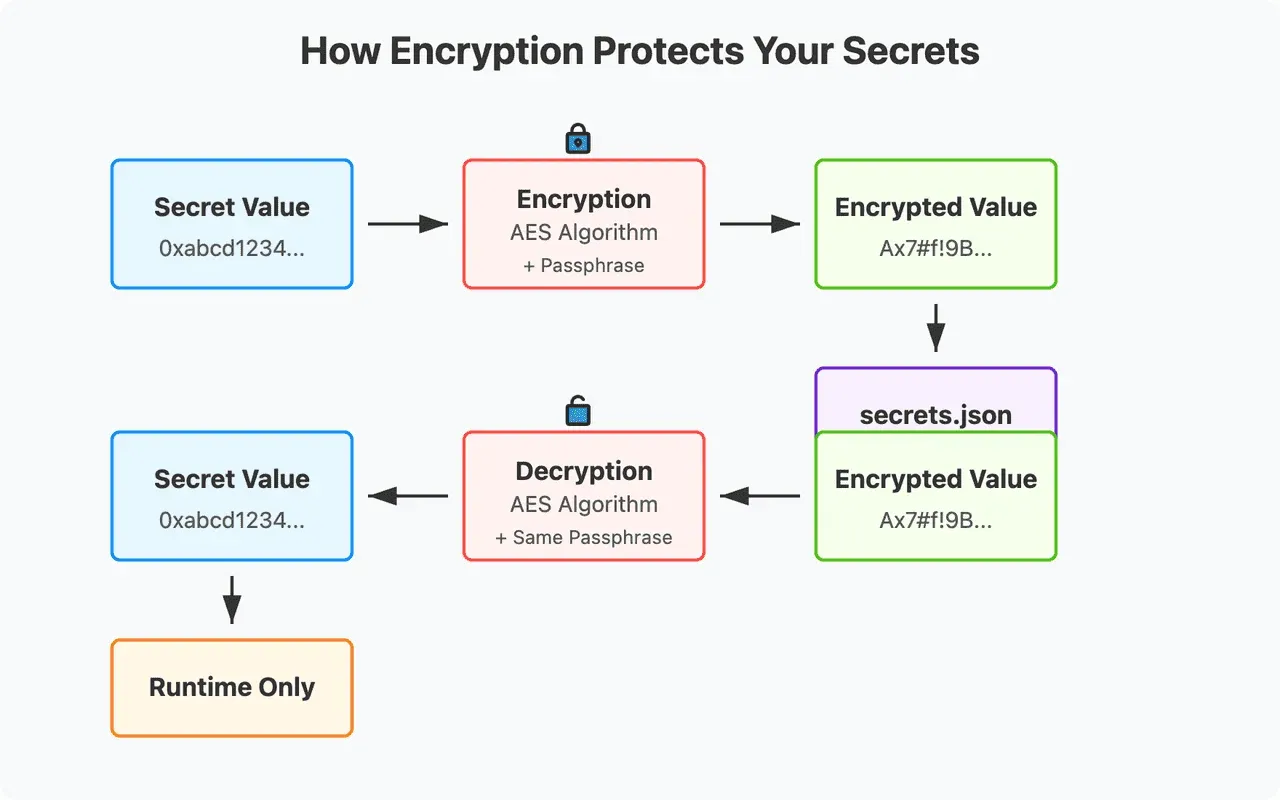
- Encrypted digital backup: If you must keep a digital copy, encrypt it with strong tools such as VeraCrypt and safeguard the encryption password separately.
- Multisignature wallets: For large holdings, employ a multisig scheme that requires several private keys to sign a transaction, reducing single‑point‑of‑failure risk.
- Cold storage: Long‑term holders should keep private keys offline (paper wallets or hardware devices) to avoid network‑based attacks.
- Phishing protection: Legitimate services never ask for your private key or mnemonic; any request for such information is a scam.
Staying vigilant and properly storing your private key is the only reliable way to ensure the security of your crypto assets.
Technical Challenges Ahead
Potential Impact of Quantum Computing
Quantum computers could theoretically break traditional hash functions and elliptic‑curve algorithms in a short time span. While current quantum technology is far from operational in this context, the industry is already developing quantum‑resistant signatures (e.g., Dilithium, Falcon) and plans to migrate via a soft fork if needed. Using one‑time addresses, script‑based multisig, and other defensive measures can temporarily raise the cost of a quantum attack.
What Is a Multisignature Wallet?
A multisignature (Multisig) address starts with `3` and its transaction script specifies how many private‑key signatures are required to approve a spend. Even if one private key is compromised, an attacker cannot move the funds without the additional required signatures, providing an extra security layer.
Risks of Exchange Wallets
Storing assets in an exchange wallet depends on the platform’s security practices. To reduce exposure, it is advisable to move substantial holdings to a personally controlled hardware wallet or cold storage, keeping only a modest amount for active trading. When buying Bitcoin with fiat, users in the United States should use Binance.US (or another regulated U.S. exchange) and transact in USD; users elsewhere can typically use SEPA or SWIFT transfers for fiat deposits and withdrawals.
Recommendations for Software Wallets
After downloading an official or open‑source software wallet, generate the private key on an offline device and back it up immediately. Keep the software up‑to‑date to receive security patches and avoid using older clients known to contain vulnerabilities.
Advantages of Hardware Wallets
A hardware wallet is a physical device designed for offline storage of private keys, offering several benefits:
- Supports multiple cryptocurrencies and connects to computers or smartphones via USB or Bluetooth.
- Private keys never leave the device; signing occurs internally, protecting against keyloggers and other malware.
- Some models provide screen displays and multisignature capabilities, allowing users to verify transaction details without a computer connection.
Current State of Bitcoin’s Quantum Defenses
As of 2025, quantum computing remains a prospective research topic rather than an immediate threat to Bitcoin. The community has prepared in several ways:
- Avoid reusing addresses: New addresses keep their public keys hidden until the first spend, limiting information available to a quantum attacker.
- Script‑based multisig: Requiring multiple signatures raises the cost of any successful attack.
- Post‑quantum standards: NIST’s post‑quantum algorithms are ready, and Bitcoin could transition smoothly via a soft fork.
Therefore, while quantum computers may pose challenges in the long term, Bitcoin is still regarded as a secure and reliable digital asset today.
Conclusion
Public keys and private keys form the backbone of the Bitcoin ecosystem. The public key generates a shareable wallet address, while the private key is the sole secret credential that can spend the bitcoins attached to that address. Protecting the private key is equivalent to safeguarding your financial sovereignty—once it is leaked or lost, the assets cannot be recovered. As technology evolves, the use cases for key pairs have expanded beyond traditional wallets to include decentralized identity, authentication, and more, but the security principle remains unchanged: private keys must be kept safe and cannot be reset.
By following best practices—hardware wallets, mnemonic backups, multisignature setups, and cold storage—your crypto holdings can achieve a security level that surpasses many conventional financial systems. No centralized authority can freeze your account, and there is no single database that can be compromised in one blow; the only risk lies in the management of the private key itself.
This completes the full guide titled “What Are Bitcoin Public and Private Keys? How Do They Relate to Wallet Addresses? A 2025 Comprehensive Guide.” For further details, follow Bitaigen (比特根) and explore its related articles.
Tax Note: Crypto gains may be taxable in your jurisdiction. Consult a qualified tax professional to understand your reporting obligations when buying, selling, or holding Bitcoin or other digital assets.
Related Reading
- Bitcoin's 2025 FOMC Impact: Consistent Post‑Meeting Volatility
- How Declining Inflation Shapes Bitcoin Narrative and Price Trends
- Dormant Bitcoin Wallet Fires $10M Transfer, Market Reacts
💡 Register on Binance with referral code B2345 for the maximum trading fee discount. See Binance complete guide.



