
 Bitaigen Research
Recently, Bitcoin’s price briefly slipped below $73,000 on Wednesday after having rallied to roughly $79,500 on Tuesday. The decline mirrored the broader pull‑back in the technology‑heavy Nasdaq Composite index and was driven primarily by a double‑whammy: a dim outlook for chip‑maker AMD (NASDAQ: AMD) and weaker‑than‑expected U.S. employment data.
At the same time, spot Bitcoin ETFs have recorded a net outflow of more than $2.9 billion over the past 12 trading days, indicating that capital is rapidly withdrawing from these products.
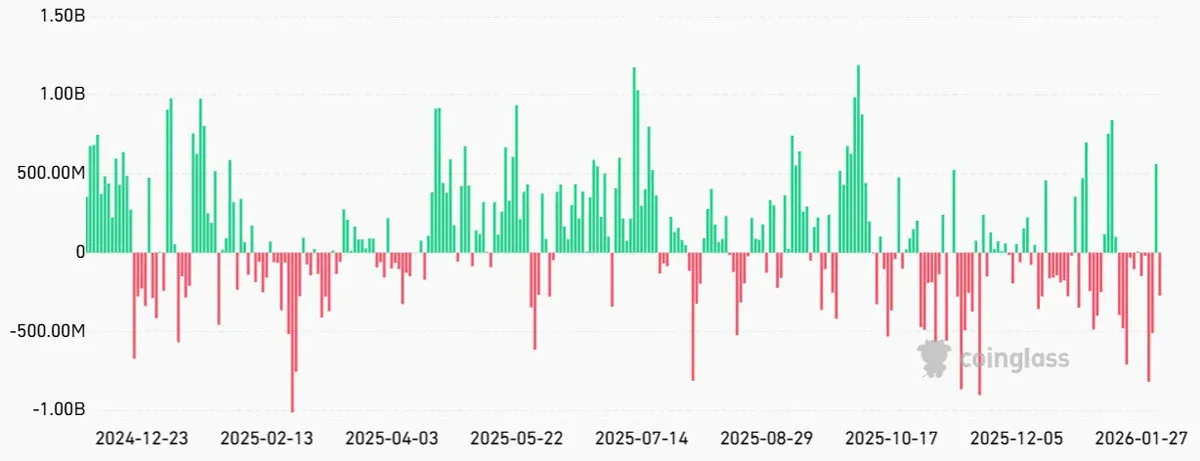
Since January 16, U.S.–listed Bitcoin ETFs have averaged a daily net outflow of about $243 million. This capital flight aligns with Bitcoin’s correction after hitting roughly $98,000 on January 14. In the three weeks that followed, Bitcoin’s total decline hovered around 26 %, triggering $3.25 billion in liquidation of leveraged long positions in the Bitcoin futures market. Positions with leverage greater than 4× were essentially forced to close unless traders posted additional margin.
Key Takeaways
- Massive ETF outflows and high‑value liquidations suggest the market is gradually weeding out highly leveraged participants.
- Skew indicators in the options market reveal that professional traders are hedging against further downside that could be sparked by a sell‑off in technology stocks.
By examining capital flows, market correlations, macro‑economic backdrop, and leveraged liquidations, we systematically dissect the logic behind the large‑scale withdrawals from spot Bitcoin ETFs. We also assess how tech‑stock performance and employment data amplify market sentiment. This article includes detailed flow charts and futures‑position analyses to help readers visualize the impact of capital dynamics on price. Additionally, we track the latest regulatory developments and shifts in investor sentiment, flagging potential risks. If you want to understand how these factors together shaped the recent price trough and may signal a pivotal turning point ahead, keep reading.
Bitcoin Options Skew Signals Traders Question $72,100 Bottom
When Bitcoin is under pressure, demand for bearish instruments typically rises, pushing the delta‑skew metric above the neutral 6 % threshold. An upward move in this indicator usually reflects waning confidence among longs.
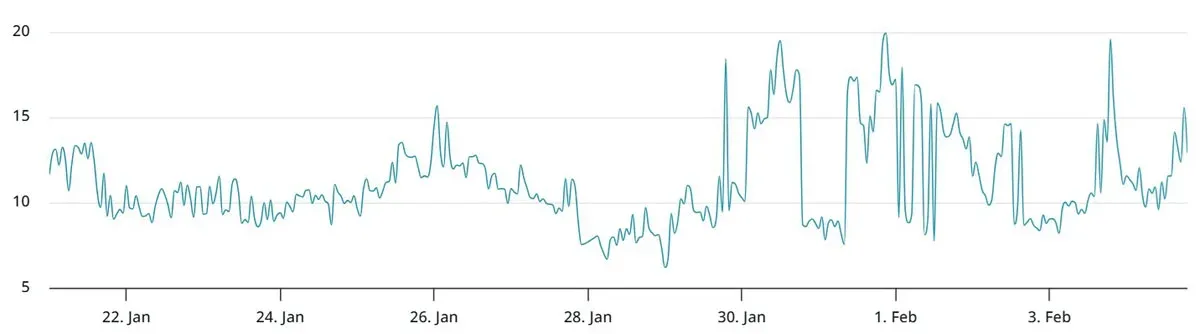
As of this Wednesday, the 30‑day delta‑skew on the Deribit platform has climbed to 13 %, suggesting that professional traders do not view the $72,100 level as a solid support zone. Part of the unease stems from recent announcements by Google (GOOG US) and AMD regarding their own AI‑focused chips, which could intensify competition within the tech sector.
Recent Market Rumors and Speculation
- A rumor circulated that a client of Galaxy Digital plans to sell $9 billion worth of Bitcoin in 2025, attributing the move to quantum‑computing risk. Galaxy Digital’s research head Alex Thorn publicly refuted the claim on the X platform.
- Another speculation targets Binance’s solvency. The exchange experienced a temporary withdrawal halt on Tuesday due to a technical glitch, sparking concerns about its liquidity. On‑chain data, however, shows that Binance’s overall Bitcoin deposits have remained relatively stable. *(U.S. users should use Binance.US rather than the global Binance platform.)*
Limitations of the Liquidation Mechanism
On October 10, 2025, Binance experienced a massive liquidation episode worth roughly $19 billion after a database query performance anomaly caused transfer delays and erroneous data feeds. The exchange later acknowledged the technical issue and compensated affected users with over $283 million.
“Binance’s large‑scale liquidation ‘could not be executed, yet the liquidation engine kept firing, forcing market makers to be liquidated and leaving them unable to clean up the mess themselves.’ – Hosseeb Kureishi, Managing Partner at Dragonfly Management”
Kureishi noted that, while the incident did not completely “crush the market,” market makers will need time to regain footing.

He further explained that crypto‑exchange liquidation mechanisms differ from traditional financial safeguards such as circuit breakers; they focus more on mitigating bankruptcy risk. Historical experience shows that, despite a series of adverse events, markets typically find a path to recovery.
Macro Uncertainty and Capital Flows
With macro‑economic outlooks still ambiguous, some traders are scaling back or exiting the crypto space altogether. This makes it harder to gauge whether continued outflows from Bitcoin ETFs will exert additional downward pressure on prices.
The above provides a comprehensive analysis of the $2.9 billion cumulative outflow from spot Bitcoin ETFs and Bitcoin’s slide to a 2026‑year‑low. For further updates, stay tuned to Bitaigen (比特根).
---
Note: All fiat transactions referenced assume the use of USD or SEPA/SWIFT channels for cross‑border transfers. Depending on your jurisdiction, gains from cryptocurrency trading may be subject to taxation; consult local tax regulations or a qualified professional.
Related Reading
- Bitcoin 2026‑2040 Price Forecast: Short, Medium & Long‑Term
- American Bitcoin Overtakes ProCap Holdings in Corporate Treasury Race
- MVRV Z-Score Analysis: Predicting the Crypto Market Bottom
💡 Register on Binance with referral code B2345 for the maximum trading fee discount. See Binance complete guide.



