
 Bitaigen Research
 Yes, you can buy Bitcoin entirely through spot trading and hold the actual coin without ever entering a derivatives contract; a spot purchase gives you the real asset and is suitable for long‑term holding.
Bitcoin is the most widely recognized cryptocurrency and the focus of many investors. In recent years, derivatives trading has become popular because of its leverage mechanism, allowing a small amount of capital to amplify potential returns. However, for newcomers, a common question is whether buying Bitcoin necessarily requires using a leveraged contract.
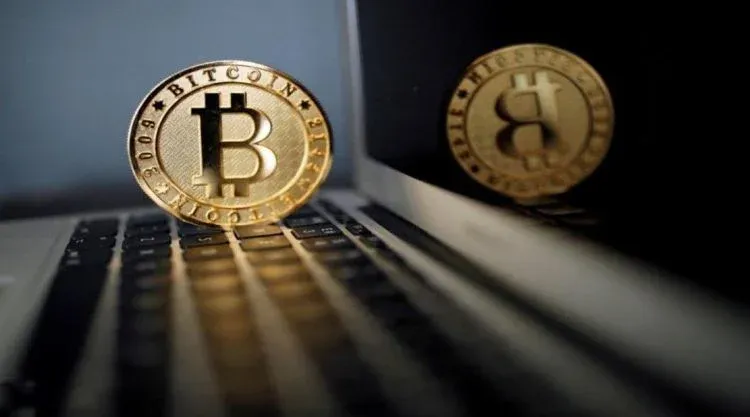
In this article we clearly dissect the fundamental differences between spot and derivatives trading, helping beginners decide whether they must rely on leveraged contracts to hold Bitcoin. By comparing trading mechanisms, risk characteristics, and asset ownership, you can quickly see which method aligns better with your investment goals and make a more rational choice. To master the key points for a safe entry, keep reading.
Can you buy Bitcoin without using derivatives?
Spot trading means buying or selling the actual Bitcoin directly on a trading platform. After the transaction is settled, the coins are deposited into your digital wallet, giving you full ownership; you can transfer, trade, or simply hold them at any time. This is a classic long‑term investment approach, aiming to capture price appreciation.
In contrast, derivatives trading (such as futures contracts or CFD – contracts for difference) falls under the category of derivative products. Investors do not need to hold the physical Bitcoin; they merely speculate on its price movement. Derivatives usually offer leverage, which can magnify profits but also magnify losses, making the risk profile higher.
In short:
- Spot: Buying instantly gives you the real coin; settlement occurs immediately or within a short window.
- Derivatives: You buy the contract itself; settlement is typically set for a future date and may involve leverage.
What are the differences between derivatives trading and spot trading?
Basic definitions
| Trading type | Core concept | Settlement method | Risk profile |
|---|---|---|---|
| **Spot trading** | Direct purchase of the physical asset | Immediate or short‑term settlement | Price‑movement risk |
| **Derivatives trading** | Trading a standardized contract that references the asset | Future settlement (physical delivery or cash‑settled) | Leverage‑amplified risk |
Key distinctions
- Underlying asset
- Spot: The actual Bitcoin.
- Derivatives: A standardized contract created by the exchange; the underlying is still Bitcoin, but you do not hold it directly.
- Settlement timing
- Spot: “Buy now, receive now,” settlement is almost instantaneous.
- Derivatives: Settlement date is set in the future, commonly monthly, quarterly, etc.
- Use of leverage
- Spot: Typically no leverage; you must pay the full amount.
- Derivatives: Leverage is available, allowing you to control a larger position with a smaller margin deposit.
- Risk and reward
- Spot: Gains or losses correspond directly to price changes; loss is limited to the capital you invested.
- Derivatives: Leverage can boost profits, but it can also lead to a total loss of the margin (or liquidation) if the market moves against you.
Scenario example
Assume Zhang San is a Bitcoin miner who produces 10 BTC each month. To hedge against future price fluctuations, he makes an agreement with his friend Li Si:
- Price: $54,000 per BTC
- Settlement date: June 30
- Delivery method: Physical Bitcoin
This arrangement is a futures contract (a type of derivative) because the delivery occurs in the future and the price is fixed in advance. If Zhang San holds the mined Bitcoin and delivers it on the agreed date, the contract is settled via physical delivery.
How to choose the right trading method?
- Long‑term holding: If your goal is to keep Bitcoin for years and benefit from its potential appreciation, spot trading is the most straightforward and comparatively controllable approach.
- Short‑term volatility: If you possess solid technical‑analysis skills and are comfortable with the high risk that comes with high leverage, derivatives trading can be used to capture short‑term price swings.
- Risk management: Regardless of the method you pick, you should pre‑define stop‑loss levels, control position size, and fully understand the platform’s rules and the specific contract terms.
Note for U.S. residents: When accessing global platforms, use Binance.US (or another U.S.-compliant exchange) rather than the worldwide Binance site. For fiat deposits and withdrawals, SEPA (for Euro) or SWIFT (for USD and other currencies) are the typical channels.
Tax reminder: Crypto gains may be taxable in your local jurisdiction; consult a tax professional to understand your obligations.
Summary
You can purchase Bitcoin without ever entering a derivatives contract by conducting a spot trade and receiving the actual coin; derivatives trading provides leverage and future‑settlement features, which are better suited for experienced short‑term traders. Before investing, do your homework, understand the mechanisms and risks of each trading style, and choose a strategy that matches your personal risk tolerance.
💡 Register on Binance with referral code B2345 for the maximum trading fee discount. See Binance complete guide.



