
 Bitaigen Research
 Bitcoin, as an entirely new form of digital currency, has a worldwide user base. In recent years, Bitcoin has attracted significant attention because of its investment and trading characteristics. However, ordinary users often ask: How can I buy Bitcoin? What are the ways to purchase Bitcoin?
Bitcoin can be obtained through cryptocurrency exchanges, Bitcoin ATMs, peer‑to‑peer (P2P) platforms, and other channels. The typical steps involve creating an account, completing identity verification, linking a payment method, and then executing the purchase.
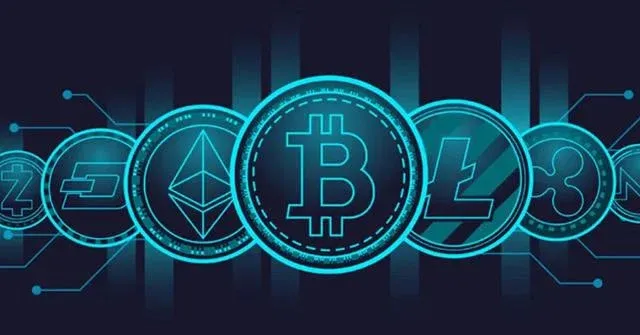
In this article we systematically outline the basic concepts of Bitcoin and break down the operational procedures of the main acquisition channels—exchanges, ATMs, and P2P platforms. With clear step‑by‑step guidance, we help beginners get started quickly while highlighting key security and compliance considerations. If you want a complete buying roadmap and practical tips, keep reading for a full‑view guide.
1. Basic Knowledge About Bitcoin
Before discussing the purchase pathways, it is useful to understand a few core concepts.
1.1 What is Bitcoin?
Bitcoin is a digital currency that operates on a peer‑to‑peer (P2P) network, first released in 2009 under the pseudonym Satoshi Nakamoto. It has no physical form; all transaction records are stored cryptographically on a blockchain network.
1.2 What is blockchain technology?
A blockchain is a decentralized distributed ledger composed of a series of blocks linked in chronological order. Each block records the transactions that occurred within a certain time window and is secured by a hash algorithm that makes it immutable. This design provides data security and consensus while eliminating single points of failure.
2. How to Purchase Bitcoin?
The acquisition channels can be grouped into three main categories:
2.1 Buying via Cryptocurrency Exchanges
Common exchanges include Coinbase, Binance, Huobi, and others. (U.S. residents should use Binance.US rather than the global Binance platform.) The basic workflow is:
- Create an account
- Complete identity verification (KYC)
- Link a bank account (via SEPA, SWIFT, or domestic ACH) or a credit/debit card (transactions are typically denominated in USD)
- Place an order to buy Bitcoin
Fees, minimum purchase amounts, and supported payment methods differ across platforms, so it is advisable to compare them beforehand.
2.2 Buying at a Bitcoin ATM
Several countries have deployed dedicated Bitcoin ATMs. The procedure is:
- Scan the QR code displayed on the screen to obtain a receiving address
- Insert cash or use a payment card to fund the purchase
- Confirm the transaction and receive the corresponding amount of Bitcoin
ATM purchases usually carry higher fees and are best suited for small, rapid transactions.
2.3 Trading on P2P (Peer‑to‑Peer) Platforms
Platforms such as LocalBitcoins and Paxful enable direct trades between buyers and sellers. A typical flow looks like this:
- Post or respond to a buy order on the platform
- Negotiate a payment method with the counterparty (bank transfer, PayPal, etc.)
- After the seller confirms receipt of funds, they release the Bitcoin to your wallet
P2P trading offers a higher degree of decentralization, but you must evaluate the counterpart’s reputation to avoid scams.
3. Key Considerations When Buying Bitcoin
3.1 Identity Verification
Most platforms are required by anti‑money‑laundering (AML) regulations to perform KYC checks. Have a government‑issued ID, passport, or other valid documents ready, and allow time for the verification process.
3.2 Security Measures
- Choose reputable platforms and enable two‑factor authentication (2FA)
- Use strong, unique passwords and change them periodically
- After purchase, transfer the Bitcoin to a hardware wallet or another offline storage solution as soon as possible to reduce the risk of theft
3.3 Legal and Regulatory Compliance
Regulatory approaches to digital assets vary widely across jurisdictions. Before buying, review the rules that apply in your country or region to ensure that your activities are lawful and compliant. *Note: cryptocurrency gains may be taxable in many jurisdictions; consult a tax professional for guidance specific to your location.*
Conclusion
Through cryptocurrency exchanges, Bitcoin ATMs, and P2P peer‑to‑peer platforms, users can acquire Bitcoin in a variety of ways. Regardless of the chosen method, you should complete identity verification in advance, strengthen account security, and adhere to the legal requirements of your jurisdiction. We hope this guide clarifies the purchase pathways and associated risk points, helping you enter the world of digital assets safely.
The above provides a complete analysis of “How to buy Bitcoin? What are the ways to purchase Bitcoin?” For more related content, follow Bitaigen (比特根) and explore their other articles.
Related Reading
- How to Safely Buy Bitcoin & Earn Transaction Fees
- How to Buy Bitcoin (BTC) on Binance: Step‑by‑Step Guide
- Buy Bitcoin with PayPal FAQ: Purchase, Transfer & Wallet Limits
💡 Register on Binance with referral code B2345 for the maximum trading fee discount. See Binance complete guide.



