
 Bitaigen Research
 Ethereum staking involves locking ETH on the Ethereum 2.0 network to become a validator, earn the right to verify blocks, and receive rewards. While it can generate yield, the locked‑up nature of the asset, the possibility of slashing, and market volatility mean that it still carries certain risks.
In this article we systematically outline the basic concepts of Ethereum staking, the responsibilities of validators, and the reward mechanism. We also take a deep look at potential risks such as asset lock‑up, slashing penalties, and market fluctuations, helping readers form a more comprehensive judgment before participating in a Proof‑of‑Stake (PoS) consensus. Continue reading for the details.
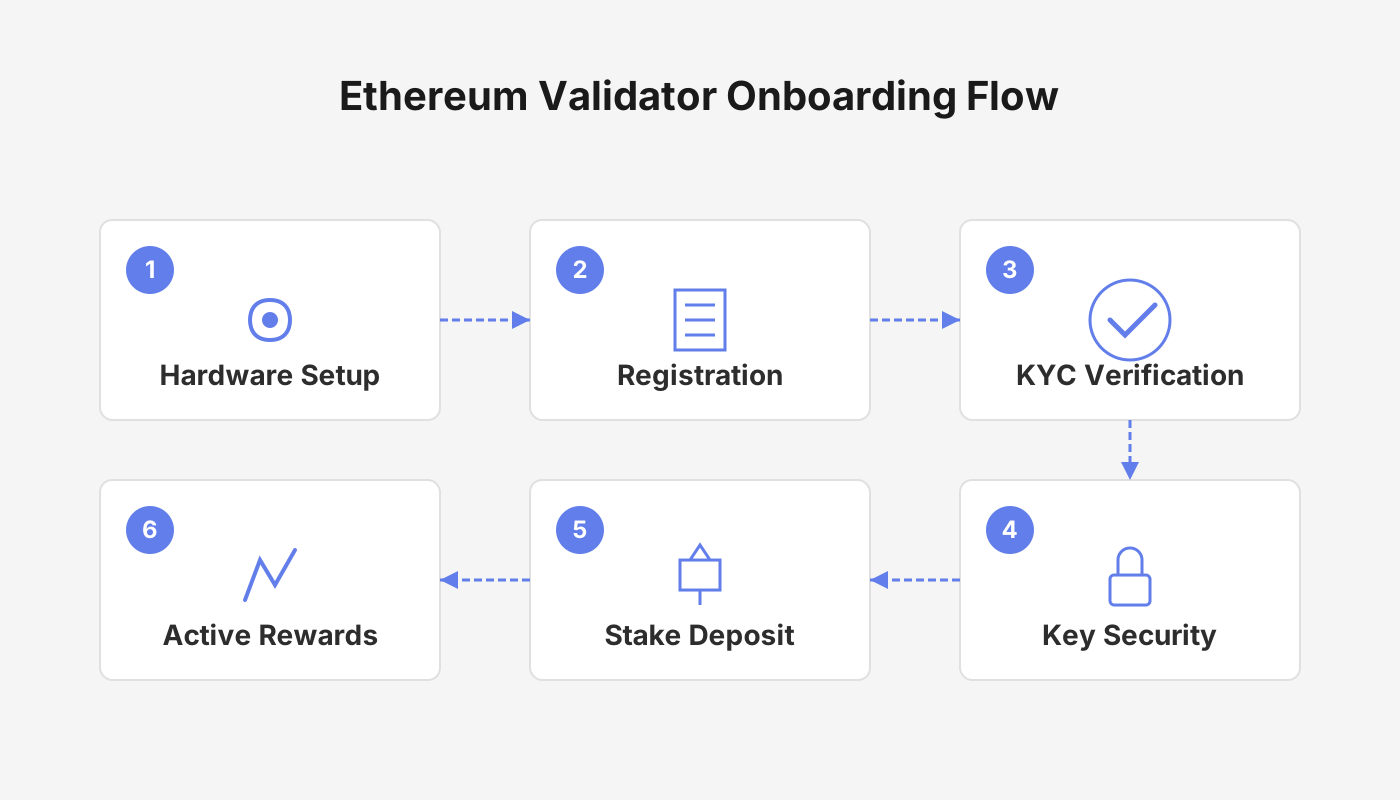
What does Ethereum staking mean?
Ethereum staking refers to locking a certain amount of ETH in a wallet and taking part in network consensus to earn rewards. In theory, any holder of a PoS (Proof‑of‑Stake) blockchain can stake. In practice, you must deposit 32 ETH and run validator software, assuming the following duties:
- Store on‑chain data
- Process and verify transactions
- Append new blocks to the blockchain
After completing these tasks, the validator receives newly minted ETH as a reward, which in turn enhances network security.
The Ethereum core team is advancing the ETH 2.0 upgrade, which will transition Ethereum from Proof‑of‑Work (PoW) to PoS in three phases, expected to launch in the summer of 2020 and possibly span one to two years.
Under a PoS mechanism, the right to validate is allocated proportionally to the amount of ETH staked; if a validator acts against network interests or behaves maliciously, the staked assets may be partially or fully confiscated (known as slashing).
Is there risk in Ethereum staking mining?
Staking risks are primarily reflected in the following areas:
- Asset lock‑up – During the staking period the ETH cannot be freely transferred. If the market suffers a sharp decline, you cannot exit quickly to cut losses.
- Reward value volatility – Even if you receive rewards, a drop in ETH price may erase the real‑world value of those rewards.
- Custodial risk – When joining a staking pool you delegate your ETH to a third‑party operator, exposing you to theft or mismanagement.
- Private‑key security – A compromised private key results in total loss of assets; you must keep the key secure and never share it.
*Note: Crypto gains may be taxable in many jurisdictions. Participants should consult local tax regulations or a professional advisor to understand any obligations.*
How does staking work on ETH 2.0?
The staking process is similar across most platforms and consists of three steps: “lock, load, wait”.
- Minimum threshold – 32 ETH for an independent validator; staking pools can lower the entry to as little as 1 ETH.
- Run a node – A regular desktop or laptop computer is sufficient; simply stay online. Going offline incurs small penalties.
- Yield – Expected annual returns are roughly 4%‑10% (expressed in USD terms for fiat‑on‑ramp users).
- Penalty mechanism – If a validator behaves maliciously, the system enforces slashing, confiscating part or all of the staked ETH.
For users in the United States, staking on the global Binance platform is not available; you must use Binance.US or another US‑compliant service. International users can fund their accounts via SEPA, SWIFT, or other fiat gateways, typically denominated in USD.
ETH 2.0 compared with other PoS projects
| Project | Consensus mechanism | Staking threshold | Approx. annual yield | Remarks |
|---|---|---|---|---|
| **Tezos** | LPoS (Hybrid PoS + DPoS) | 8,000+ XTZ for solo validation | ~7% | Delegated funds stay in the personal wallet |
| **Algorand** | Pure PoS (secret‑selection) | No minimum | ~5% | All holders receive rewards automatically |
| **Qtum** | Pure PoS | No minimum | ~7% | Larger holdings increase selection probability |
| **EOS, Cosmos** | DPoS and variants | Vary by chain | – | Mostly voting/delegation‑based |
What is a staking pool?
A staking pool aggregates funds from multiple users and operates a validator node on their behalf (operators may include Binance, Crypto.com, Kraken, etc.). Its advantages are:
- Consolidated assets raise the probability of being selected as a validator.
- Rewards are distributed proportionally to each participant’s stake, making it suitable for small holders.
- No need to maintain your own node, lowering the technical barrier.
Users can keep their ETH in a personal wallet (even a cold wallet) and grant the pool permission to stake on their behalf.
Risks and rewards of staking
- Reward – Simply holding ETH can generate network rewards, constituting a form of passive income.
- Risk – During the lock‑up period you cannot freely trade the asset; custodial pools may expose you to security vulnerabilities; improper private‑key management can result in total loss.
Roles in Ethereum 2.0 staking
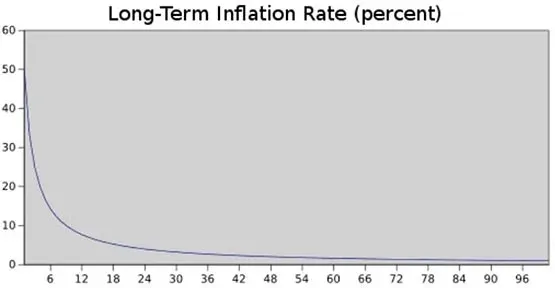
Data scientist Osho Jha argues that staking is a key factor for Ethereum to become a store of value. ETH 2.0 aims to compress the annual inflation rate to 0.5%‑2.0%, a range comparable to Bitcoin and gold. Although Ethereum has no fixed supply cap, the continuous decline in inflation gives the network a scarcity characteristic similar to precious metals while retaining the flexible supply traits of fiat currencies.
Staking incentivizes nodes to hold and validate ETH; the more nodes there are, the faster and more secure the network becomes. For token holders, staking resembles a bank deposit that yields interest‑like returns, potentially approaching 10% in favorable conditions. In a global environment of low interest rates, this mechanism could attract additional participants.
Market performance and trends
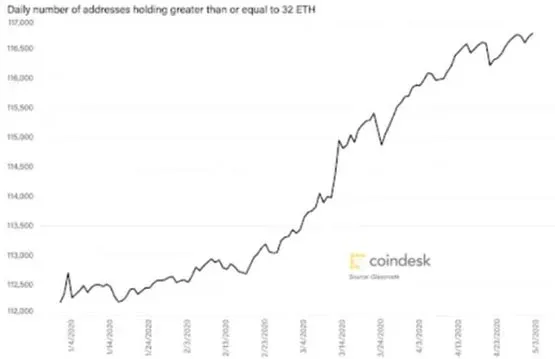
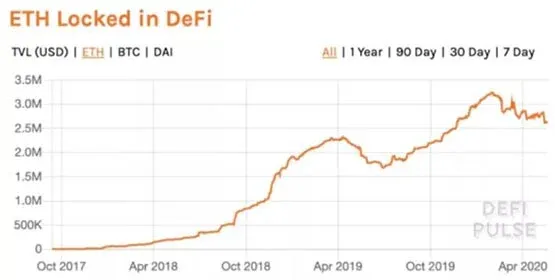
- On‑chain data shows that the number of addresses holding ≥ 32 ETH has recently hit a new peak, indicating rising staking demand.
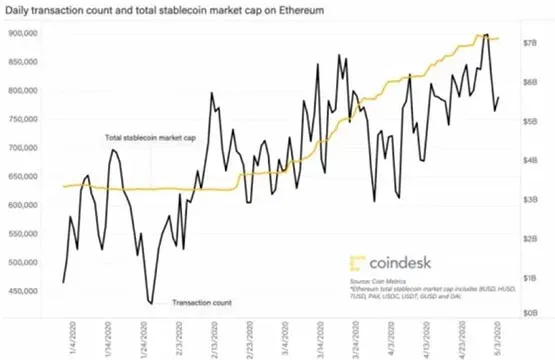
- The total market cap of stablecoins and on‑chain transaction volume have steadily increased since the liquidity crisis of March 2020, further boosting demand for Ethereum within the DeFi ecosystem.
- As digital lifestyles become mainstream, Ethereum 2.0 will provide the infrastructure for more efficient financial services, encouraging traditional banking systems to shift toward a “digital‑first” model.
Conclusion
Ethereum staking locks ETH to obtain validation rights and rewards, contributing computing power to network security while offering holders a passive income stream. Nevertheless, asset lock‑up, possible slashing, and custodial risks mean it is not a zero‑risk investment. After understanding and managing these risks, staking remains an effective way to participate in the Ethereum ecosystem and seek long‑term returns.
The above provides a detailed answer to “What does Ethereum staking mean? Is there risk in Ethereum staking mining?” For further reading, follow the related topic articles published by Bitaigen.

Related Reading
- How Much ETH Do You Earn Staking 100 Ethereum Daily?
- Ethereum 2.0 Staking: Lock ETH, Earn Rewards & Withdraw
- Ethereum 2.0 Staking Withdrawal After Shanghai Upgrade
💡 Register on Binance with referral code B2345 for the maximum trading fee discount. See Binance complete guide.



