
 Bitaigen Research
 In this article we re‑examine the role of tokens from the perspective of machines, dissecting their unique mechanisms in scenarios such as automated interactions and spam protection, helping readers understand why, in decentralized networks, the demand for tokens by machines can even exceed that of humans. A thorough read will capture the core points of this new line of thinking.
Why Machines Need Tokens More Than Humans – In‑Depth Analysis
In the blockchain ecosystem, tokens are often compared with traditional fiat currencies. While fiat money and existing online payment systems work well in most cases, when viewed solely from a human‑usage standpoint the distinctive value of tokens is not obvious. Shifting the focus to the machines themselves, however, reveals the indispensability of tokens in automated interactions. Below we reorganize the functions and applications of tokens from the viewpoint of machine demand.
When We Stop Looking From a Human Perspective
In the early days of computer networks, a token was a credential that granted the holder the right to participate in communication. As the digital space has expanded, the frequency and complexity of machine‑to‑machine interactions have surged, making tokens an effective tool for regulating machine behavior.
Imagine a spam‑prevention mechanism: each time a personal computer or smartphone sends an email, it must spend one token; the receiving mail server also deducts a token. If the email passes spam filters or is not reported by the recipient, those tokens are returned to the sender within a predefined time window. In practice, the token acts as a collateral for the action, ensuring the legitimacy of the sending operation.
In this model, the system pre‑allocates a certain amount of tokens to each account and server so that normal usage is unhindered. If a user wishes to conduct large‑scale marketing emails, they must purchase additional tokens with fiat (e.g., USD via SEPA or SWIFT transfers). To avoid requiring every device to hold a fiat‑linked account, the design can allow machines to earn tokens by completing specific computational tasks or providing network resources, achieving self‑sufficiency.
Extending this idea to the Internet of Things (IoT), each sensor can likewise earn or spend tokens when interacting with other devices. It becomes more sensible to give sensors dedicated wallets and tokens that are independent of fiat. In most cases, a device only needs to use tokens native to its own category; only in rare cross‑chain or cross‑system settlements would conversion to other digital assets or fiat be necessary, and the frequency and exchange‑rate precision required are relatively lax.
Consequently, machines rely on tokens for autonomous tasks far more heavily than human users do. Figure 2 illustrates the contrast between token demand in the machine world versus the human world—tokens have limited impact for humans but constitute essential infrastructure for machines.
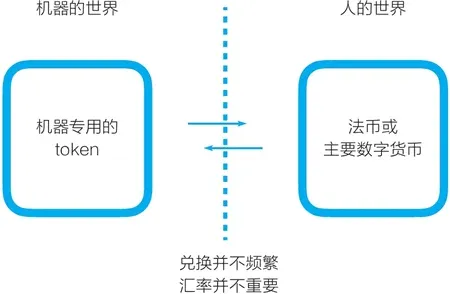
Figure 2: Machine World vs. Human World
What Tokens Are Good For
To further clarify token functionality, we can use Figure 1 to divide the world into four quadrants: the horizontal axis separates the “digital world” from the “physical world,” while the vertical axis distinguishes the “information internet” from the “value internet.” All offline assets fall into quadrant III.
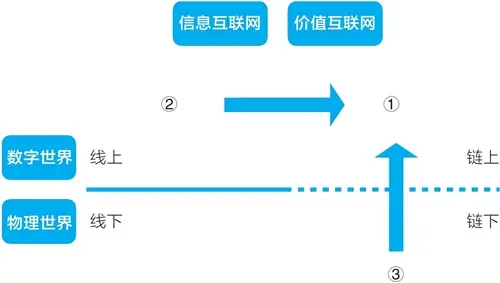
Figure 1: Token Use Cases Across Four Quadrants
On a blockchain, tokens serve as digital carriers of value—examples include Bitcoin, Ethereum, and other assets issued directly on‑chain. To map values from the other quadrants onto the chain, two main pathways exist:
Path 1: Transfer value that originally depends on centralized databases to a decentralized blockchain. This includes online retail payments, social‑platform points, in‑game items, etc., effectively moving from quadrant II into quadrant III.
Path 2: Represent tangible assets on‑chain for circulation, such as offline short‑term rentals, supply‑chain finance, asset‑backed securities (ABS), and similar tokenizations, corresponding to a shift from quadrant III into quadrant I.
Both pathways merit exploration, yet practical implementation often raises questions: tokens do not appear to provide a clear advantage over traditional fiat. For Path 1, existing point‑card, loyalty‑point, and virtual‑item systems already work well; for Path 2, tokenization can record minute actions (e.g., a $0.0001 “like”), but it does not fundamentally solve the digitization or liquidity bottlenecks of offline assets.
The root cause is that we continue to assess token value from a human‑centric viewpoint, whereas the scenarios where tokens truly shine are those where fiat struggles to intervene effectively.
Conclusion
Viewed through the lens of machines, tokens are no longer optional add‑ons but critical resources for achieving automated, trustworthy interactions. As the number of IoT devices explodes, the demand for machine‑specific tokens will amplify further. Future research on how machines acquire, consume, and settle tokens is likely to become a mainstream direction for blockchain technology and token applications.
The above constitutes an in‑depth analysis of the proposition “machines need tokens more than humans.” For more related content, follow Bitaigen (比特根)’s upcoming articles.
Note: Crypto gains may be taxable in your jurisdiction; please consult a local tax professional.
For U.S. residents: Use Binance.US for any fiat‑on‑ramp or off‑ramp activities; the global Binance platform is not available to U.S. users.
💡 Register on Binance with referral code B2345 for the maximum trading fee discount. See Binance complete guide.



