
 Bitaigen Research
 Proof‑of‑Work (PoW) Mining on a Blockchain
Proof‑of‑Work (PoW) mining on a blockchain is the process by which miners use computational power to solve hash puzzles; when they successfully create a block they receive rewards such as Bitcoin.
Proof‑of‑Work (PoW) is the default consensus algorithm for most blockchain networks and was first introduced by Bitcoin. Users transfer value to each other on the network, and the decentralized ledger packages those transactions into blocks. However, the creation of blocks and the confirmation of transactions require computational work. Miners compete to compute hash values, and the first one to solve the puzzle gets to package the block and claim the reward. Below are several common PoW mining approaches.
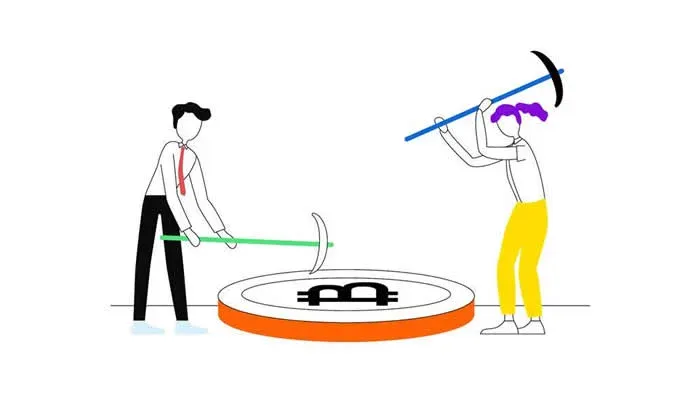
In this article we systematically outline the core principles of Proof‑of‑Work (PoW) mining and compare multiple practical pathways—including cloud hashing, purchasing and hosting your own miners, and joining mining pools—to help newcomers quickly assess risks and potential returns, and to grasp the essential steps to get started. Continue reading to access the full guide.
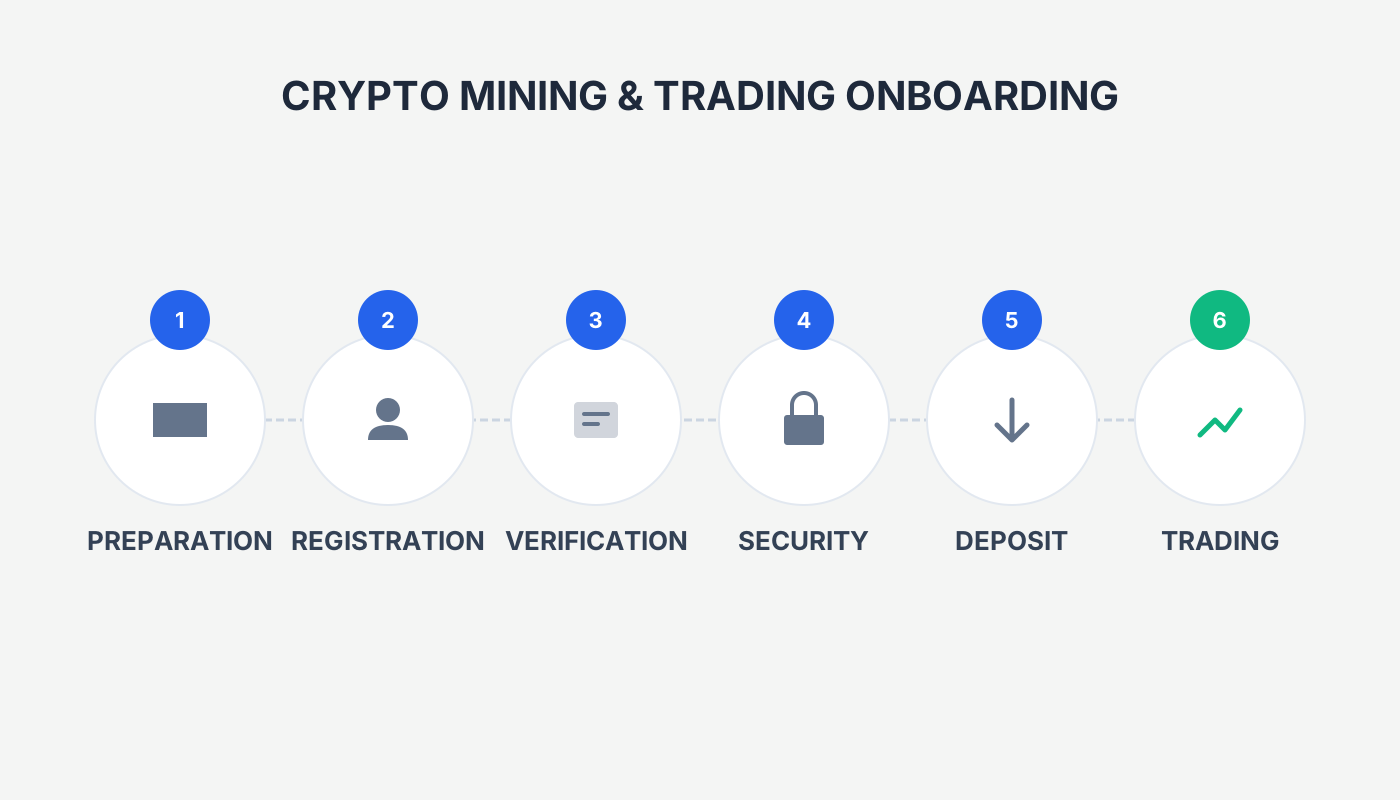
Several Ways to Participate in PoW Mining
1. Cloud Hashing
- Definition: Cloud‑hashing platforms split the computing power of large mining farms into smaller units and sell those units to individual users. Users pay for the amount of hash power they rent and the duration of the rental.
- Advantages
- Low entry barrier – no need for specialized hardware or knowledge of electricity costs.
- Simple operation – after payment (typically in USD via SEPA or SWIFT), the service starts delivering mining rewards automatically.
- Disadvantages
- The platform may face bankruptcy or disappear, so it is essential to select a reputable, well‑established provider.
- Cost‑effectiveness is generally lower because the hash power remains owned by the platform, not the user.
Overall, cloud hashing offers a straightforward process that is suitable for beginners who want to start quickly, but it comes at a higher cost and does not allow users to benefit from any appreciation of physical mining equipment.
2. Purchasing a Miner and Hosting It at a Mining Farm
- Process: The user buys a mining rig outright and then contracts a professional mining farm to operate, maintain, and pay for the electricity on the user’s behalf.
- Benefits
- Compared with cloud hashing, the long‑term cost is usually lower because the user owns the hardware.
- The user can choose a farm that offers favorable electricity rates and tailored maintenance services.
- Considerations
- You must purchase the miner yourself, sign a hosting agreement with the farm, and keep track of any equipment relocation or de‑commissioning events.
- Some mining experience is advisable to avoid pitfalls such as delayed start‑up, unauthorized price changes, or false reports of power outages by the host.
Selecting a reliable hosting farm and continuously monitoring the operational status of your equipment are key to avoiding potential traps.
PoW Mining Mechanism
Proof‑of‑Work (PoW) validates work by calculating hash values, similar to a pre‑prepared fill‑in‑the‑blank puzzle: the first miner to compute the correct answer receives the block reward. The higher your hash rate, the greater the probability of earning a reward.
- Primary Cost: Beyond the upfront purchase of mining hardware, the ongoing electricity consumption is the largest expense (paid in USD, typically transferred via SEPA or SWIFT).
- Purpose of the Mechanism: PoW provides a distribution method for native tokens such as Bitcoin. Block rewards consist of newly minted BTC plus the transaction fees collected within that block.
- Network Security: A large number of miners competing for the same puzzle makes the network more decentralized and improves resistance to censorship.
In a PoW model, miners validate transactions and create new blocks to earn fresh coins. These blocks are added to the blockchain every few minutes (the exact interval varies by chain), forming what is commonly called the “block reward.” *(Note: cryptocurrency rewards may be taxable in your local jurisdiction; consult a tax professional for guidance.)*
The above explains “How does blockchain PoW mining work?” and outlines the most common PoW mining methods. For additional details, follow Bitaigen (比特根) and its related topic articles.
Related Reading
- How to Mine Bitcoin on Poolin: Step‑by‑Step Guide 2024
- DeFi Lending Basics: Core Concepts & Top Projects
- MetaMask Transaction Fees: Gas, Base & Priority
💡 Register on Binance with referral code B2345 for the maximum trading fee discount. See Binance complete guide.



