
 Bitaigen Research
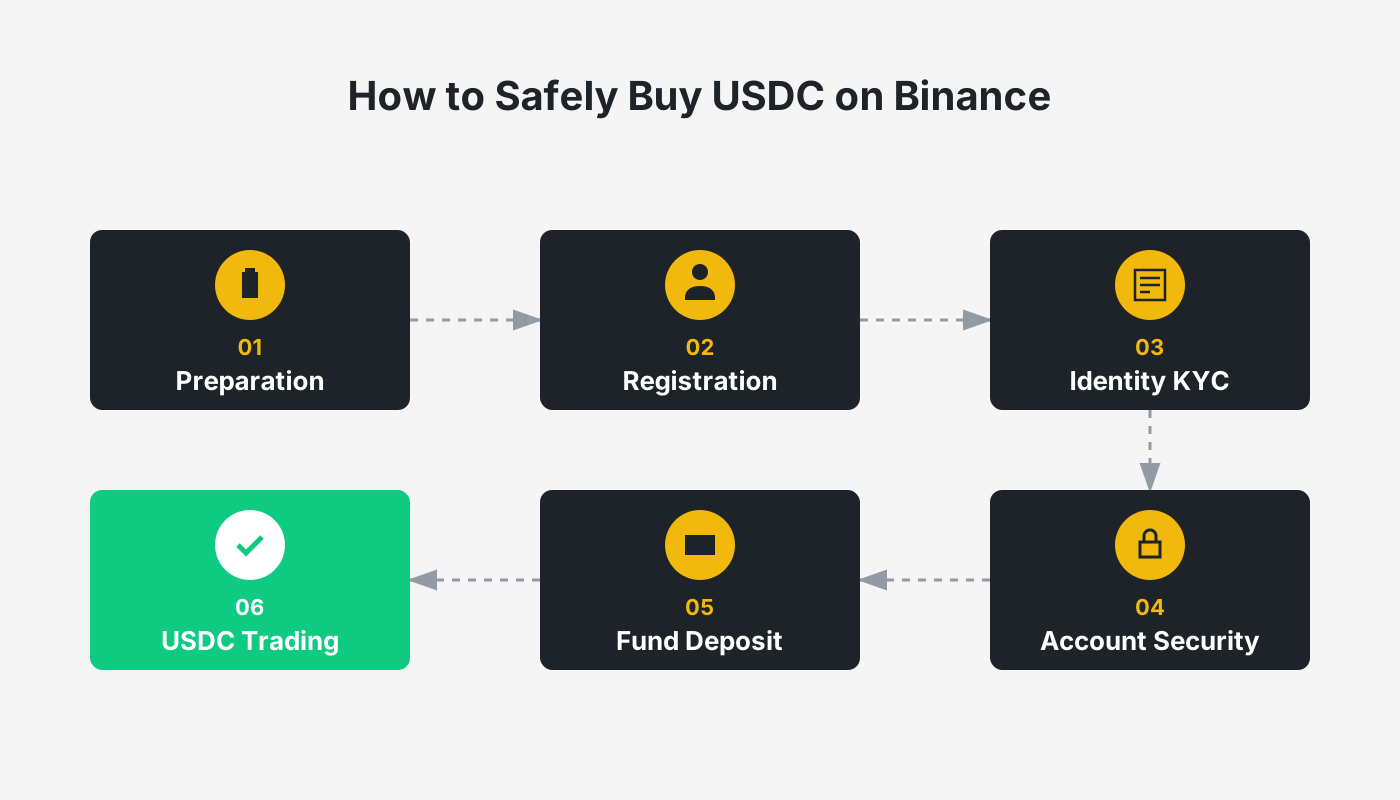
 Want to join the crypto space but aren’t sure how to turn your cash into U? Today we’ll walk you through, step by step, how to safely and quickly purchase USDC on Binance, the world’s largest exchange. Let’s get started.
The Bitaigen editorial team has compiled a complete end‑to‑end guide for obtaining USDC on Binance. We begin with the basic attributes and regulatory advantages of USDC, then use real‑world screenshots to help newcomers finish the deposit, order placement, and withdrawal processes efficiently and securely. Read on to master the optimal route for acquiring a dollar‑pegged stablecoin on the globe’s biggest exchange.
What Is USDC?
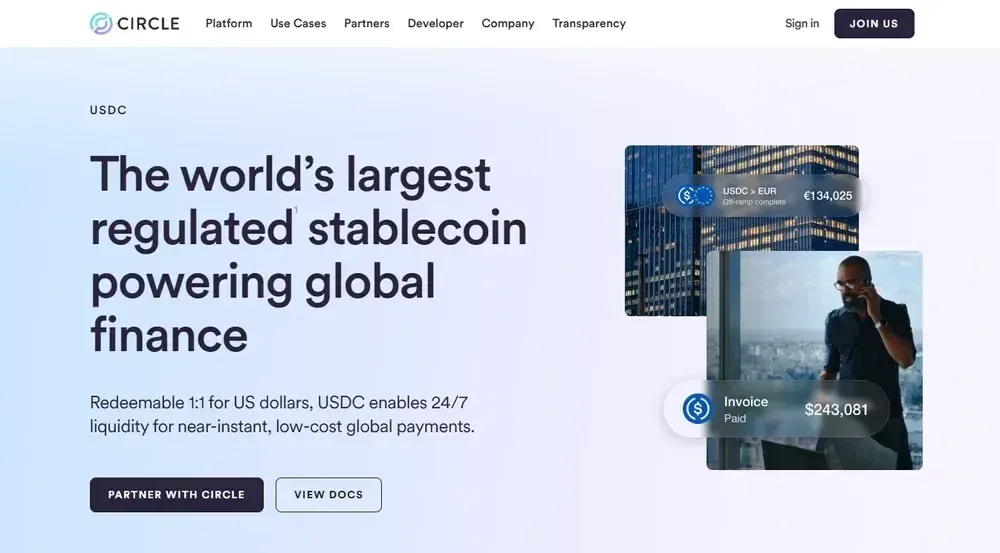
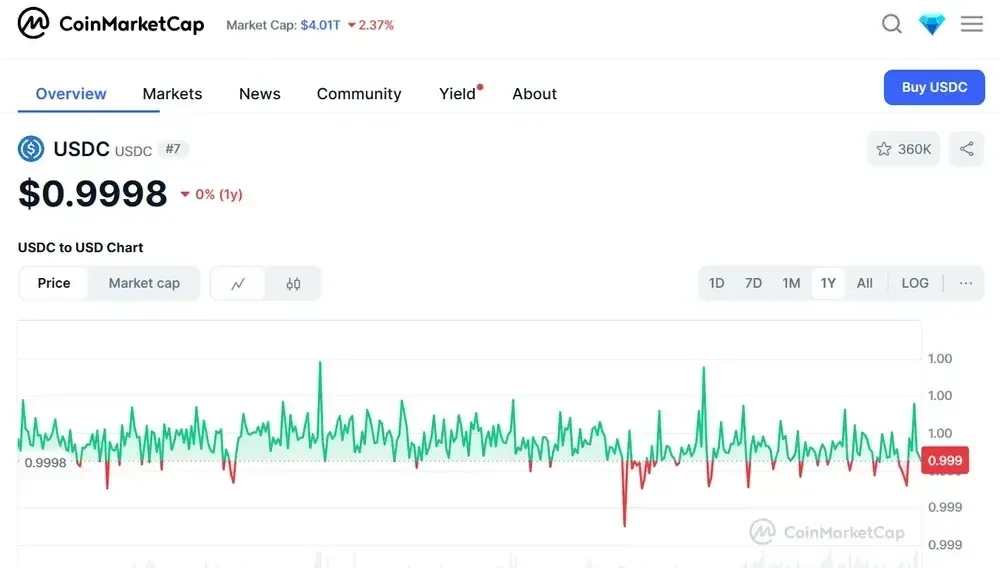
USDC is a stablecoin that is pegged 1:1 to the U.S. dollar. It was launched in 2018 by the Centre Consortium, a partnership between Circle and Coinbase, with the goal of providing a dollar‑backed digital asset on public blockchains while meeting regulatory requirements and offering programmable settlement capabilities.
- Issuance timeline: Debuted on Ethereum in September 2018, expanded to Algorand in 2020, added Stellar and Solana in 2021, and released native versions on Arbitrum and Optimism in 2023, thereby increasing usage on both centralized exchanges and decentralized applications.
- Scale data: As of September 2025, USDC’s circulating supply is valued at roughly $74 billion, with monthly on‑chain settlement volumes reaching several hundred billion dollars. Circle holds a Monetary‑Payment Institution (MPI) licence in Singapore and complies with the U.S. Money Transmission Act as well as the European MiCA framework.
How Does USDC Work?
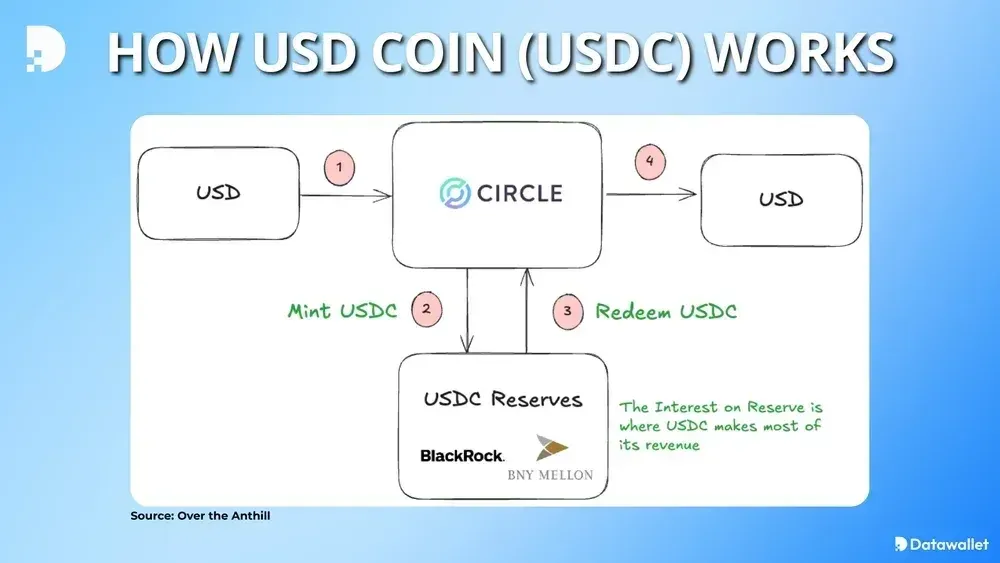
USDC uses a “mint‑and‑burn” mechanism that guarantees each token is backed by an equivalent amount of U.S. dollars. Its operation can be broken down into the following layers:
| Step | Explanation |
|---|---|
| **Issuance** | Partner institutions deposit dollars; Circle then mints the corresponding amount of USDC and distributes it to exchanges, payment platforms, and other channels. |
| **Redemption** | Authorized partners return USDC to Circle in exchange for dollars; the tokens are instantly burned, keeping supply and reserves in sync. |
| **Reserve assets** | Composed of cash deposits and short‑term U.S. Treasury bills, with an independent accounting firm publishing monthly attestations. |
| **Token standards** | Available as ERC‑20 on Ethereum, SPL on Solana, native assets on Base, Arbitrum, Optimism, and other chains. |
| **Transfers** | Peer‑to‑peer settlement on the blockchain, completing in seconds without reliance on banking business days. |
| **Trading pairs** | Can be directly traded against BTC, ETH and other cryptocurrencies as well as fiat, providing deep liquidity. |
| **Custody** | Institutions hold USDC through regulated custodians; individuals store it in wallets that support the relevant chain standards. |
| **Interoperability** | Circle’s Cross‑Chain Transfer Protocol (CCTP) enables native cross‑chain movement without wrapped tokens or third‑party bridges. |
Real‑World Use Cases for USDC
USDC plays a pivotal role across trading, compliance, derivatives, and lending scenarios. The four examples below illustrate its practical applications.
1. Hedging a Bear Market
When the market is sluggish, traders convert volatile crypto assets into USDC to preserve value while retaining liquidity. The stablecoin’s price stability eases psychological pressure and helps avoid panic‑driven sell‑offs.
2. Europe‑Compliant Market Pairs
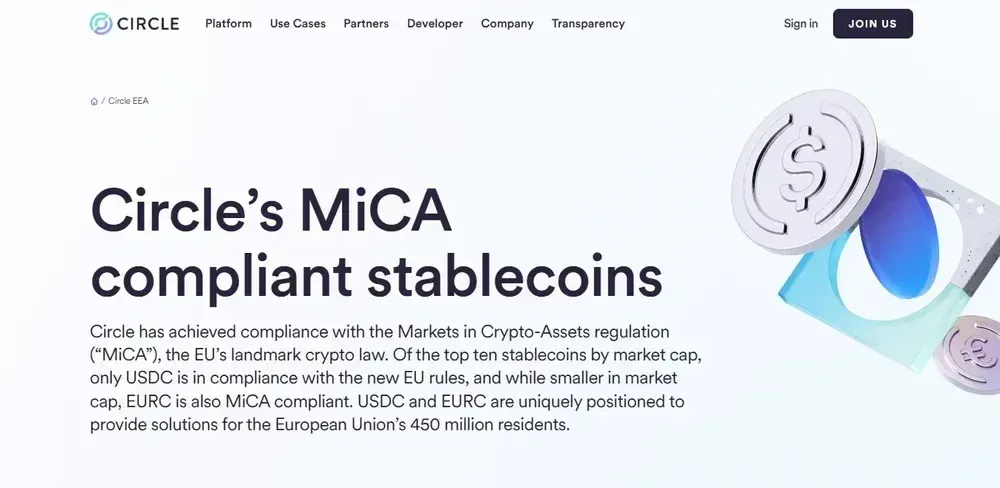
Under the EU MiCA framework, centralized exchanges must offer transparent EUR/USD‑pegged stablecoin pairs. In 2025, Kraken introduced USDC alongside EURC to satisfy regulatory demands, attract institutional participants, and prevent market fragmentation caused by regulatory uncertainty.
3. Perpetual Contracts and Derivative Collateral
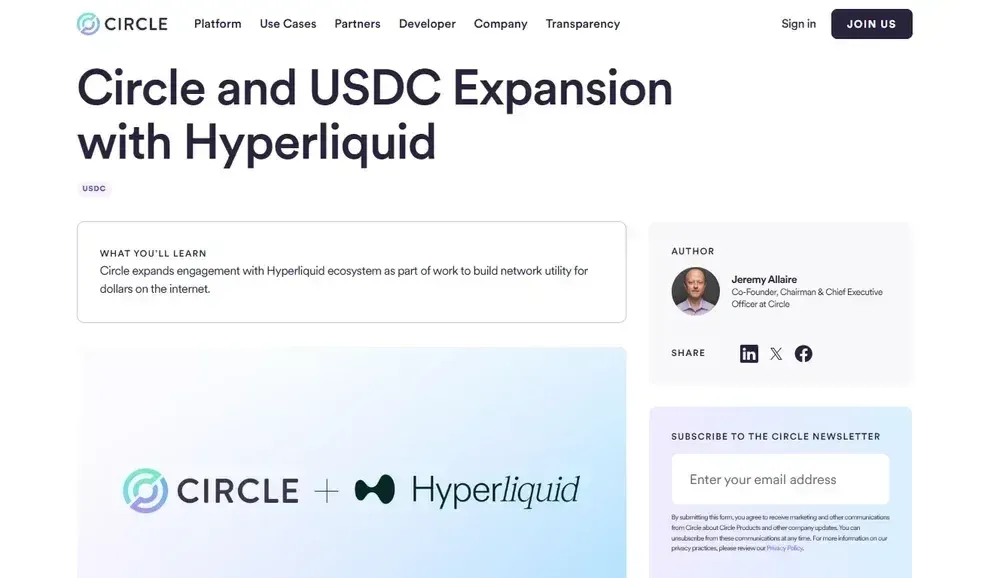
Perpetual futures frequently use USDC as margin, reducing the risk exposure associated with highly volatile assets like Bitcoin or Ethereum. Platforms such as Hyperliquid and Solana Jupiter offer leveraged contracts backed by USDC, improving capital efficiency and minimizing settlement slippage.
4. Lending and Yield Opportunities
In September 2025, Coinbase launched a USDC lending service on the Base chain, advertising an annual percentage yield of 10.8 %. Funds are automatically routed through the Morpho vault managed by Steakhouse Financial, which optimizes returns across multiple lending markets. Users can withdraw at any time via a smart‑contract wallet.
Step‑by‑Step Guide to Buying USDC on Binance
On the Binance app, tap “Add Funds” → select “C2C Trading”, choose USDC in the Quick or Premium sections, enter the amount, pick a payment method (e.g., Alipay), confirm the order and complete the payment, then you will receive USDC instantly. *(This concise answer (50‑80 words) is suitable for a Featured Snippet.)*
Important for U.S. residents: Use Binance.US instead of the global Binance platform to stay compliant with local regulations.
- Open the official Binance app (download link). After logging in, tap the 【Add Funds】 button at the top of the home screen, then choose 【C2C Trading】.
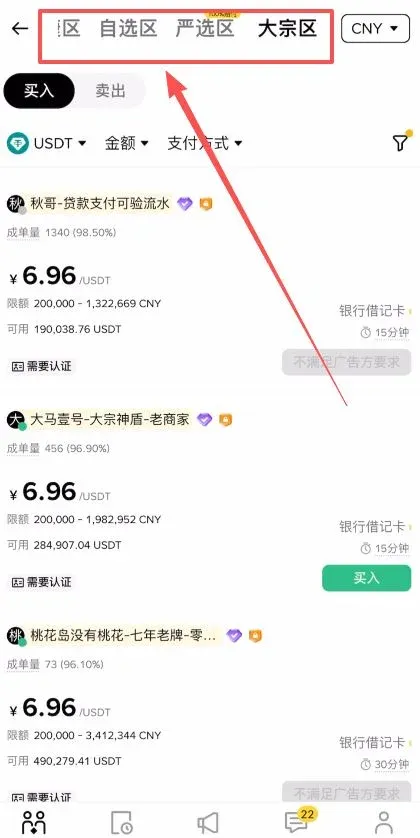
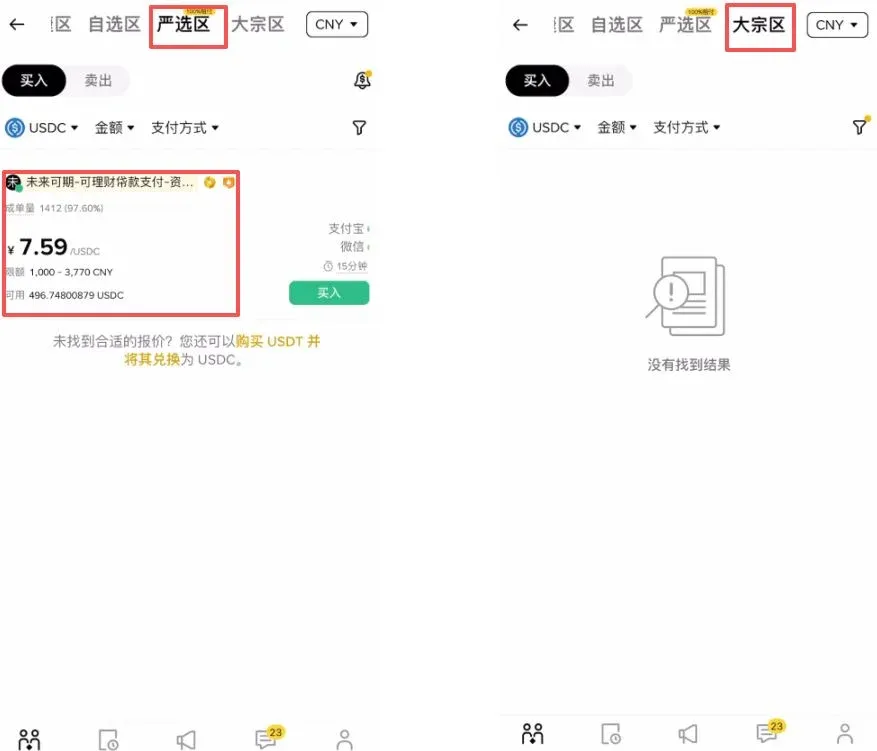
- The C2C page is divided into four sections: Quick, Premium, Custom, and Bulk. All of them can be used to purchase USDC.
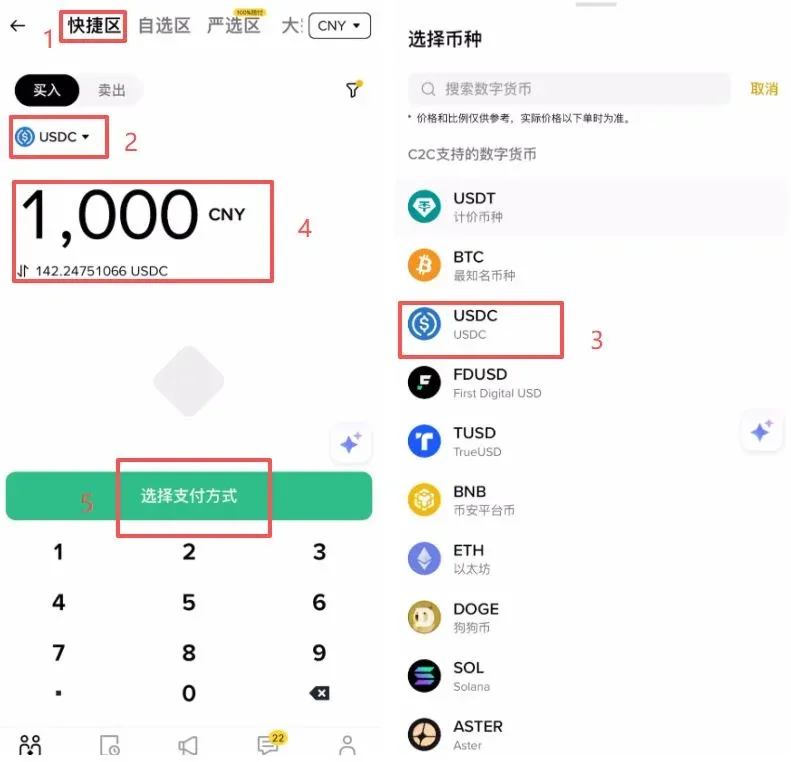
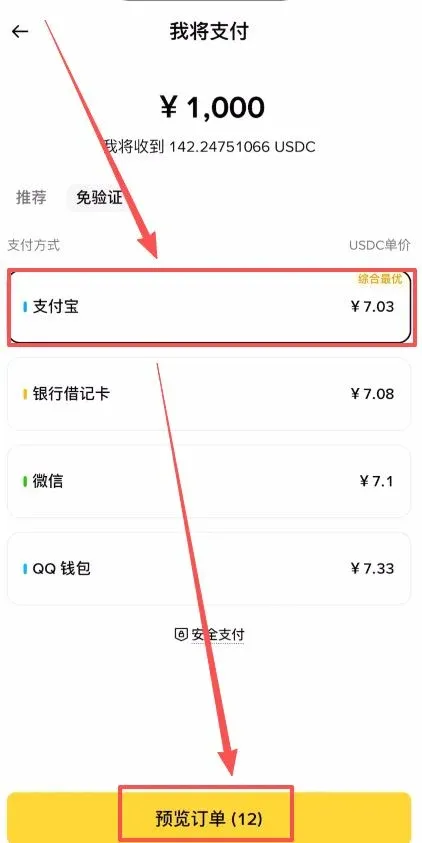
- Quick: Directly select USDC, input the purchase amount, click 【Choose Payment Method】 (options include Alipay, bank debit card, WeChat, QQ Wallet), preview the order, and confirm.
- Premium: The platform offers a 100 % compensation guarantee, ideal for users who prioritize security above all else.
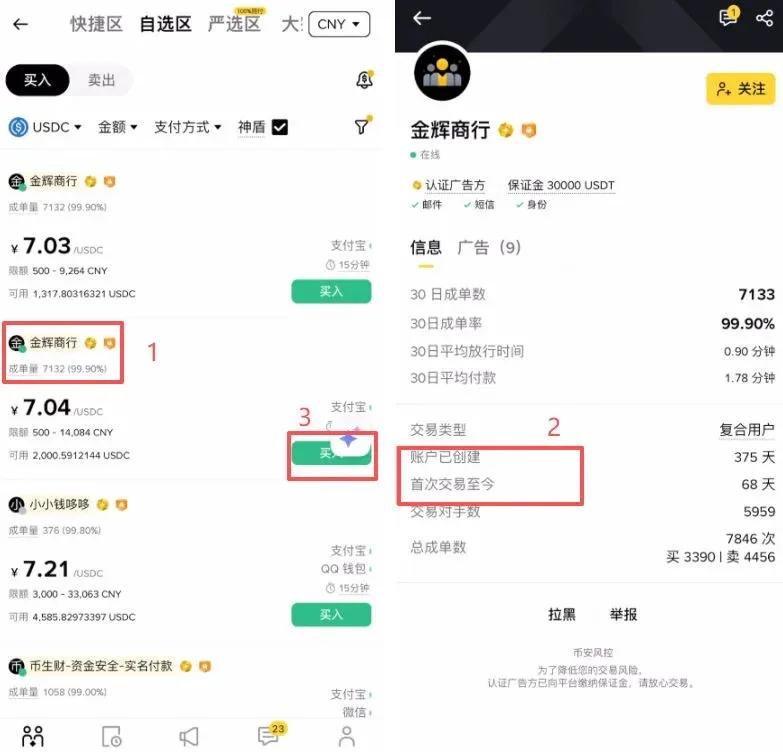
- Custom: You can enable the “Shield” filter to show only merchants who have posted large security deposits, lowering counter‑party risk.
- Bulk: Designed for high‑volume trades; most retail users will never need this section.
Quick‑Section Purchase Flow
- Select USDC → enter the amount → 【Choose Payment Method】 (e.g., Alipay) → 【Preview Order】.
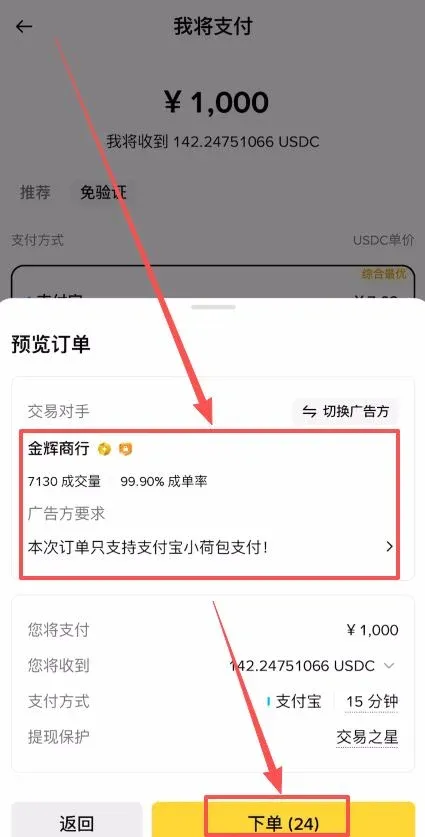
- The system displays the merchant’s trade volume, completion rate, and any specific transaction requirements. Confirm and tap 【Place Order】.
- After the order is generated, tap 【Chat】 to view the merchant’s payment instructions (Alipay account, QR code, etc.).
- Exit Binance, complete the transfer in Alipay, and take a screenshot of the payment confirmation.
- Return to Binance, click 【Upload Payment Proof】, attach the screenshot, and select 【I Have Paid】.
- Once the merchant verifies receipt, they release the USDC; the tokens should appear in your wallet within minutes.
Premium vs. Custom Sections
- Premium: Full compensation from Binance if something goes wrong, representing the lowest risk option. Only a limited number of merchants list USDC here.
- Custom: Uses the “Shield” badge to filter merchants with high security deposits. Selection criteria include order volume, completion rate, and account age, helping you pick reliable counterparties.
Transaction Example (Alipay)
- In either the Custom or Premium section, tap 【Buy】.
- Enter the desired purchase amount → select Alipay → tap 【Place Order】.
- Open the chat with the merchant, obtain the payment details, complete the transfer, upload the proof, and wait for the USDC to be released.
USDC vs. Competing Stablecoins
| Stablecoin | Approx. Market Cap | Issuer | Collateral Model | Regulatory / Transparency |
|---|---|---|---|---|
| **USDC** | $74 B | Circle | Full fiat backing (cash + Treasury) with monthly audits; MiCA‑compliant | U.S. + Singapore licences |
| USDT | $171 B | Tether | Fiat‑backed; reserve disclosures disputed; high regulatory scrutiny | Limited public reporting |
| USDe | $14 B | Ethereum Labs | Algorithmic + collateral hedging; DeFi‑native | Regulatory clarity limited |
| DAI | $9.5 B | MakerDAO | Over‑collateralized crypto + real‑world assets; on‑chain governance | Less legal protection |
| USD1 | $2.7 B | World Free Finance Co. | Fiat‑backed, small issuance | Low reporting standards |
Pros and Cons of Using USDC
Advantages
- Fast transfers: Cross‑border payments settle in seconds, bypassing multi‑day bank delays and high intermediary fees.
- DeFi integration: Core asset for lending platforms, DEX liquidity pools, and other decentralized services.
- Programmability: Can be embedded in smart contracts to automate loans, recurring payments, and more.
- Transparency: Monthly public reports on cash and Treasury holdings boost user confidence.
Disadvantages
- Centralization risk: Circle can freeze addresses or restrict redemptions under regulatory orders.
- Custody dependence: Reserves are held within the U.S. banking system, exposing them to traditional financial health risks.
- Limited upside: Unlike volatile cryptocurrencies, USDC is pegged 1:1 to the dollar, so there is no price appreciation potential.
- Dollar exposure: Holders remain subject to U.S. inflation and monetary policy, which may erode purchasing power over the long term.
Security Assessment of USDC
USDC’s reserves are equal to or exceed the total number of circulating tokens, primarily held as cash and short‑term U.S. Treasury securities. The majority of the reserve fund is managed by BlackRock’s Circle Reserve Fund and custodialized at BNY Mellon. Circle publishes weekly reserve snapshots and commissions one of the “Big Four” accounting firms to perform monthly audits, ensuring that assets are always available for redemption—even during periods of financial stress.
Closing Thoughts
Through full‑reserve backing, regular audits, and cross‑chain interoperability, USDC delivers predictable stability and trust within digital finance. While competition is fierce, Circle’s compliance‑first strategy, global licensing, and infrastructure investments give it a durable edge in the regulated stablecoin arena.
*Disclaimer*: Cryptocurrency transactions may generate taxable events in many jurisdictions. Users should consult local tax professionals to understand their obligations.
For more information, follow Bitaigen (比特根) and explore its other articles!
Related Reading
- Binance Crypto Trading: Top Liquidity & Security for New Traders
- Binance Smart Money Signals Explained: Whale Trading Insights
- Buy USDC on Binance: CNY C2C or USDT Swap Guide 2026
💡 Register on Binance with referral code B2345 for the maximum trading fee discount. See Binance complete guide.



