
 Bitaigen Research
 2024’s Top Ten Crypto Wallets are OKX Web3 Wallet, imToken, MetaMask, HyperPay, Coinbase Wallet, Ledger, Cobo, Math Wallet, TokenPocket, and BitKeep. They span multi‑chain, hardware, custodial and other categories, making them suitable for a wide range of user needs.
In the management of crypto assets, the crypto wallet is the most fundamental tool. It not only stores private keys securely, but also lets users view balances, send and receive funds, and execute transactions on blockchains. Choosing the right wallet is the first step to protecting assets; below you will find a detailed overview of the 2024 ranking’s top ten wallets together with step‑by‑step usage guides.
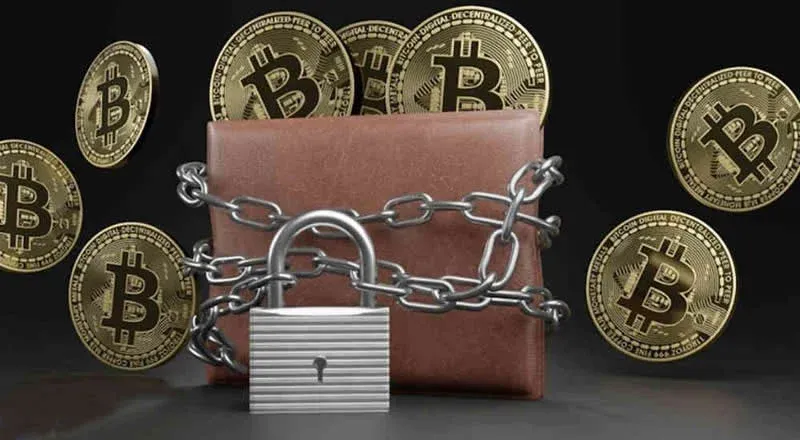
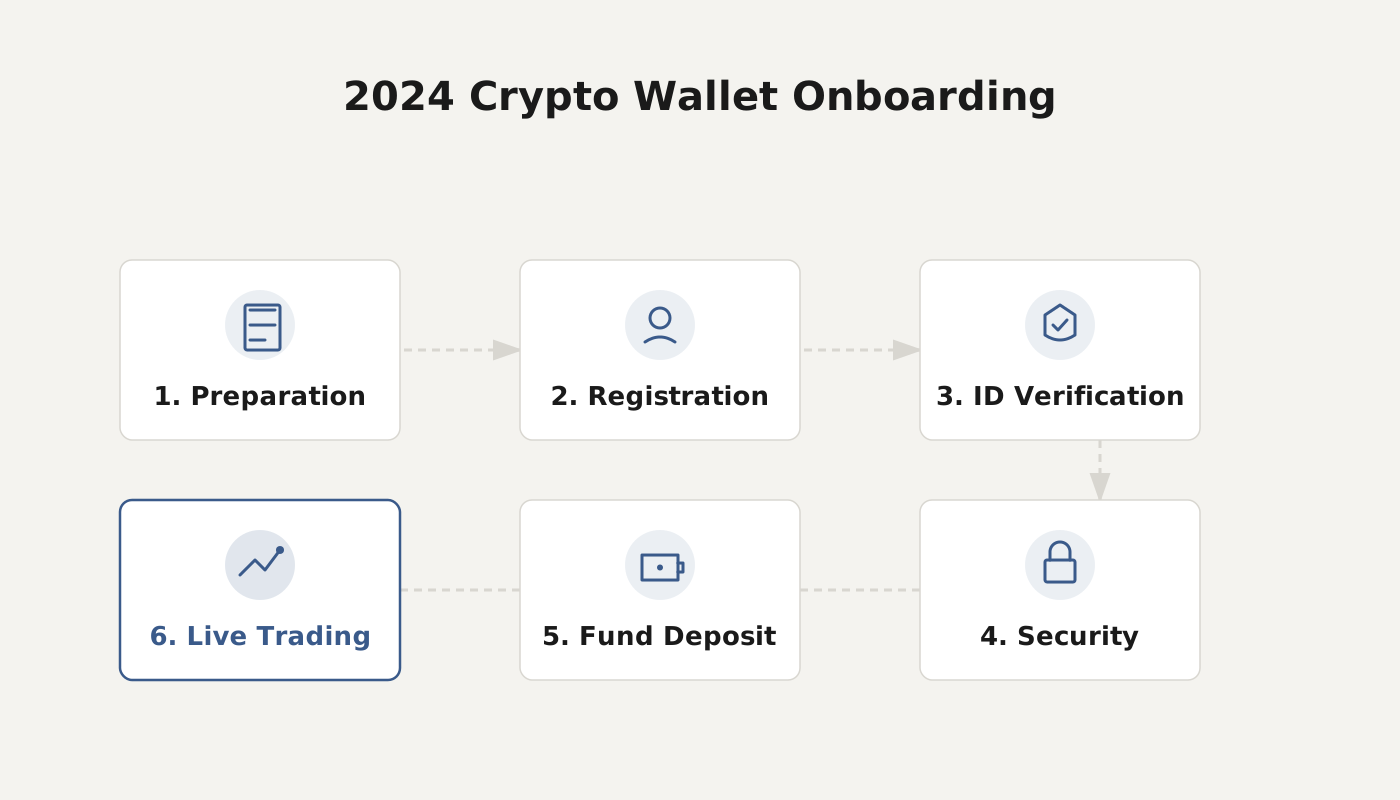
We have selected the ten best‑performing crypto wallets of 2024, covering multi‑chain, hardware, and custodial forms, and we provide thorough onboarding tutorials. By reading this article you can quickly grasp each wallet’s core functions and security features, helping you make a more suitable choice at the critical stage of asset management. Continue reading for a complete side‑by‑side comparison and practical instructions.
Comprehensive Introduction to the 2024 Updated Crypto Wallet Rankings (Top Ten)
The 2024 top‑ten crypto wallets include OKX Web3 Wallet, imToken, MetaMask, HyperPay, Coinbase Wallet, Ledger, Cobo, Math Wallet, TokenPocket, and BitKeep. The following sections outline each wallet’s key features and usage guidance.
1. OKX Web3 Wallet
- Multi‑chain support: Covers more than 60 public blockchains and is compatible with mainstream tokens and NFTs.
- Functional modules: Built‑in wallet, DEX, marketplace, “Earn” section, and DApp Explorer – five distinct panels.
- Highlights: Access to Ordinals marketplaces, MPC (Multi‑Party Computation) keyless wallet, gas‑fee swapping, mnemonic backup to iCloud/Google Drive, custom network addition, and hardware‑wallet connectivity.
Further reading
2. imToken
- Positioning: A lightweight mobile wallet aimed at everyday users.
- Core functions: Self‑custody of private keys, lightweight wallet mode, support for a variety of digital assets, aggregated market data from global exchanges, and price‑alert notifications.
Further reading
- How to add a TRC‑20 USDT address in the imToken wallet?
- How to add an ERC‑20 USDT address in the imToken wallet?
- How to withdraw from OKX exchange to an imToken wallet?
- Detailed tutorial on moving coins from the imToken wallet to an exchange
3. MetaMask
- Form factor: A browser‑extension Ethereum wallet that requires no separate download.
- Compatibility: Works with Chrome, 360, Firefox and other major browsers.
Further reading
- Web3 Beginner Series: MetaMask “Fox” Wallet Tutorial
- How to add the NEAR network to MetaMask?
- How to sell tokens with MetaMask? Step‑by‑step guide
4. HyperPay
- Innovation: A “four‑in‑one” wallet that blends custodial, self‑custodial, co‑custodial and hardware modes into a single app.
- Philosophy: Security is the foundation, value‑creation is the mission; it offers custodial storage, wealth‑building services, and consumer payments in a one‑stop solution.
Further reading
- HyperPay Wallet User Guide
- HyperPay Wallet DApp Usage Guide
- HyperPay Wallet OTC (over‑the‑counter) Trading Guide
5. Coinbase Wallet
- Coverage: Available in more than 190 countries and territories, supporting 32 fiat currencies for trading (e.g., USD via SEPA/SWIFT).
- Advantages: Can store a large number of crypto assets, features a user‑friendly interface, and is suitable for both newcomers and institutional users.
- Note for U.S. residents: Access the service through Coinbase US or Binance.US where applicable, as the global Binance platform is not available to U.S. customers.
Further reading
- How to use Coinbase Wallet? Detailed tutorial
6. Ledger
- Category: Hardware wallet that leverages smart‑card technology to provide the highest level of private‑key protection.
- Compatibility: Supports Bitcoin, Ethereum, Zcash and many other chains, but requires pairing with a companion software wallet for full functionality.
Further reading
- How to use Ledger wallet? Bitcoin send/receive tutorial
- Ledger Nano S overview and setup guide
- Beginner steps for operating a Ledger hardware wallet
- What is a hardware wallet? Ledger review and unboxing
7. Cobo
- Ecosystem: Offers three major modules – Cobo Wallet, Cobo Custody, and Cobo Vault – covering cloud, HD (hierarchical deterministic) and military‑grade security hardware.
- Asset support: Handles over 40 major digital assets, more than 900 tokens, and nearly 20 staking products.
Further reading
- How to transfer digital assets out of the Cobo wallet? Tutorial
- Cobo Wallet EOS advanced account bidding guide
8. Math Wallet
- Characteristics: A cross‑chain wallet already supporting ecosystems such as EOS, TRX, BTC, ETH, NEO, ONT and many others.
- Functions: Decentralized cross‑chain trading and the construction of a multi‑chain DApp ecosystem.
9. TokenPocket
- Security: Private keys are stored locally and encrypted with a three‑layer algorithm; supports fingerprint and facial recognition.
- Convenience: One‑click password setup, streamlined operations, and data isolation to prevent leakage.
Further reading
- What is the official TokenPocket website?
- Latest TP wallet registration guide with screenshots
- TokenPocket instant‑swap process and expected arrival times
- Complete tutorial for moving TP wallet coins back to an exchange
- Full‑process TokenPocket token purchase guide with images
- Detailed TokenPocket usage manual
10. BitKeep
- Positioning: An all‑in‑one digital‑asset management platform that combines wallet, exchange, DApp, financial services, and enterprise‑grade solutions.
- Technical highlights: Full‑node security isolation, patented DESM algorithm, offline cold storage, multi‑currency batch transfer smart contracts, cross‑exchange scheduling, biometric verification and more.
Further reading
- What is BitKeep? Is it a cold wallet?
- BitKeep wallet beginner’s guide
- Analysis of BitKeep’s security and its Chinese name translation
---
The sections above constitute the complete overview of the 2024 Updated Crypto Wallet Rankings (Top Ten). A crypto wallet’s fundamental capabilities include storing, sending, and receiving digital assets; its operation is analogous to a traditional checking account, except that the assets held are cryptocurrencies rather than fiat money. When selecting a wallet, match it to your personal usage patterns and security preferences, keep your private keys safe, and back them up securely so you can always access your digital assets under any circumstance.
Important note: Gains realized from trading, staking, or otherwise disposing of crypto assets may be subject to taxation in your jurisdiction. Be sure to consult a tax professional or local regulations to understand your reporting obligations.
Related Reading
- Trust Wallet Review: Security, Decentralization, Multi‑Chain
- Ledger Wallet Review: Security, Cross‑Chain & Usability
- Top 10 Highest‑Rated Crypto Exchanges 2025
💡 Register on Binance with referral code B2345 for the maximum trading fee discount. See Binance complete guide.



