
 Bitaigen Research
 As blockchain technology matures, an increasing number of investors are turning their attention to digital assets. Bitcoin, as the first cryptocurrency to enter the public eye, has become the entry point for many people into this space. Bitcoin has evolved beyond a simple payment method into a cultural symbol and a store of value. For users who hold a substantial amount of Bitcoin, choosing a secure and reliable hardware wallet is especially critical. Below we first explain the nature and necessity of hardware wallets, then compare the mainstream products on the market one by one, helping you make a rational selection.
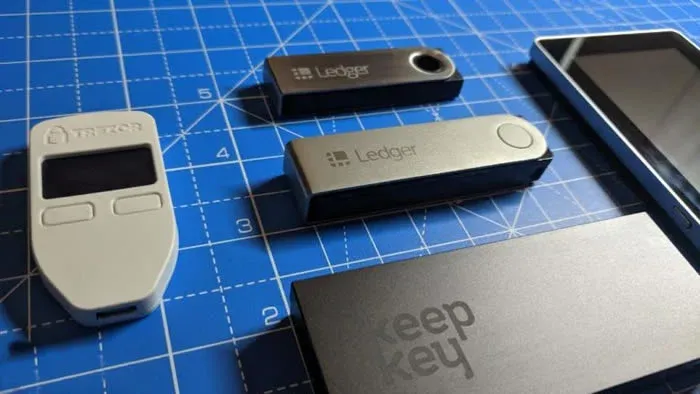
In this article we systematically review the core features of mainstream Bitcoin hardware wallets from three dimensions—security principles, user experience, and market reputation—and provide selection guidance. By comparing strengths and limitations, we help coin holders make decisions that better match their asset‑protection needs. The following sections will provide detailed analysis, so please continue reading.
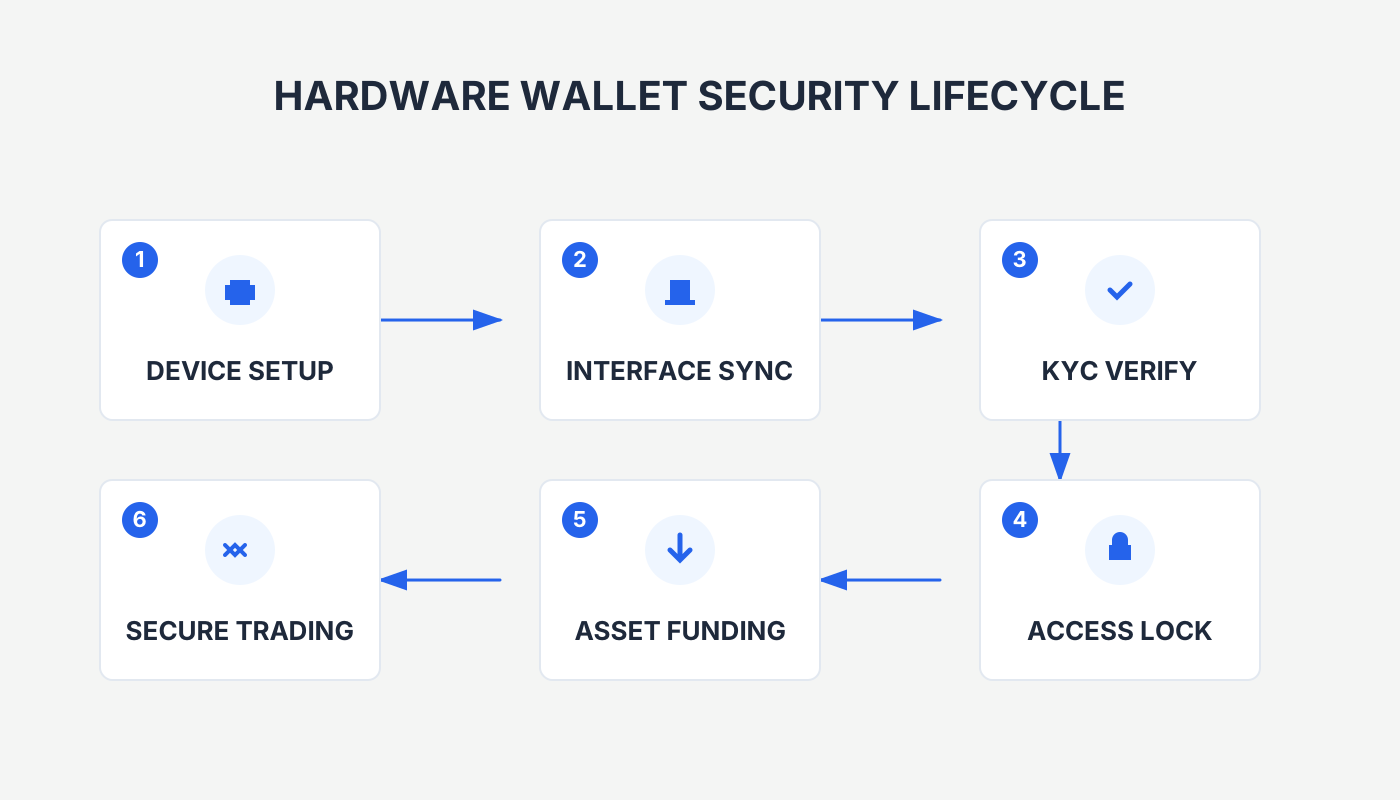
Why do you need a Bitcoin hardware wallet?
A hardware wallet is a physical device designed specifically for storing private keys. It does not store Bitcoin itself; rather, it protects the keys that control blockchain addresses much like a physical key protects a lock. Unlike hot wallets, a hardware wallet keeps the private key inside the device at all times. The key is only used to sign a transaction when the user explicitly confirms it, and the signing occurs within the device, never exposing the private key to an internet‑connected computer or phone. This dramatically reduces the risk of theft.
- Prevents cloud or software‑wallet vulnerabilities: Only a user who possesses the device, the PIN, and the recovery seed can move the assets. Even if the device is lost, anyone without the correct authentication information cannot withdraw the coins.
- Simple user interface: Most hardware wallets have only a few buttons and a small screen, allowing beginners to confirm actions on an intuitive display and avoid cumbersome command‑line or multi‑step signing procedures.
- Offline storage: The device does not rely on a network connection, so the private key remains safe even in poor network conditions, lowering the chance of loss due to online attacks.
How to choose a Bitcoin hardware wallet
Faced with a myriad of products on the market, focus on the following four dimensions when shopping:
- Price is not the sole deciding factor
Mainstream secure hardware wallets typically sell for USD 100‑200. A price that is too low may indicate compromised build quality or security, while an excessively high price does not necessarily provide extra protection. The key is to pick a product that offers reliable defense at a reasonable price point.
- Insist on genuine open source
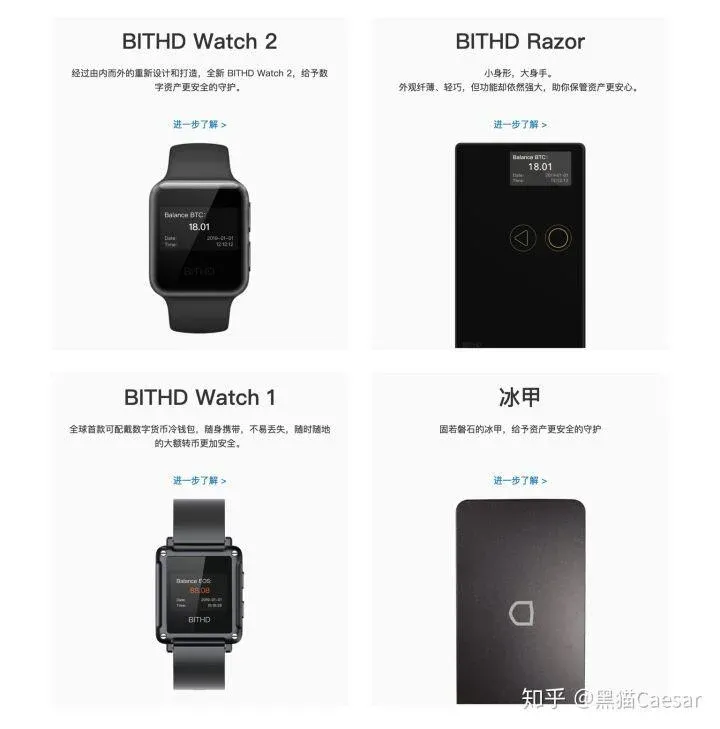
Fully open‑source hardware and firmware allow third parties to audit the code and guard against hidden backdoors or vulnerabilities. “Pseudo‑open source” projects that publish only part of the code cannot achieve full verifiability. Projects such as Trezor and China‑based BITHD are relatively thorough in this regard.
- Continuously iterating development team
Blockchain protocols evolve quickly. A hardware wallet that is not updated for a long time may fall behind new standards or security practices. Choose manufacturers that regularly release firmware updates, add multi‑chain and multi‑signature support, and introduce new features to ensure long‑term usability.
- Must have a display screen
A screen is essential for confirming transaction details. Users can verify the recipient address, amount, and other data directly on the device before authorising. Without a screen, all information is shown only on a computer or phone, which weakens the security model.
Beyond these basics, you may also consider the team’s reputation, the material of the device, the number of supported cryptocurrencies, and other factors.
Note: Crypto gains may be taxable in your jurisdiction. Be sure to consult local tax regulations or a tax professional.
Which Bitcoin hardware wallet is best?
Below we compare several popular hardware wallets based on usage data from millions of users worldwide, focusing on functionality and specifications.
1. Ledger Nano S
- Development background: Designed by the French blockchain company Ledger SAS, concept launched in June 2016, with cumulative sales exceeding 1.5 million units.
- Hardware specs: Casing combines stainless steel and plastic, weight 16.2 g, equipped with two secure chips ST31H320 and STM32F042, and includes a USB Type‑B cable in the box.
- Compatibility: Connects directly to Windows 8 or later, macOS 10.8 +, and Linux. With an OTG adapter it can also be used on Android 7 +, iPad, and iPhone.
2. Ledger Nano X (Recommended)
- Product positioning: Marketed with the slogan “security and convenience together.”
- Hardware architecture: Uses two chips—security‑focused ST33J2M0 and Bluetooth‑enabled STM32WB55. The enclosure is brushed stainless steel with plastic, weight 34 g, and contains a 100 mAh battery.
- Key features:
- Supports 23 third‑party crypto wallets (e.g., MyCrypto, MyEtherWallet).
- Can stake idle POS resources, already enabling reward collection for tokens such as Tezos (XTZ).
- Bluetooth connection via the Ledger Live mobile app transmits only public data; private keys and the recovery seed always stay inside the device.
3. Trezor ONE
- Historical background: Released by Czech company SatoshiLabs s.r.o. on January 29 2014, it is the first‑generation Trezor and set many hardware‑security standards.
- Hardware parameters: Size 60 mm × 30 mm × 6 mm, weight 12 g, runs a custom OS on a 120 MHz ARM Cortex‑M3 processor, and uses a Micro‑USB connector.
- User experience: A six‑line OLED screen shows transaction details; two physical buttons handle confirm or cancel actions. The device holds CE and RoHS certifications, is available in black and white, and can be paired with optional metal recovery‑seed plates, silicone, or leather storage cases.
4. Trezor Model T
- Upgrade highlights: Launched in Q1 2018 as the next‑generation model, featuring a 240 × 240 px color touchscreen. The device is about 5 % larger than the ONE, measuring 64 mm × 39 mm × 10 mm, weighing 22 g, and comes with a magnetic base in the package.
- Core functions: Generates a 12‑word recovery seed automatically when plugged into a computer, which can be used to restore or create new accounts; supports a nine‑digit PIN and is compatible with Google’s two‑factor authentication.
5. KeepKey
- Basic information: Dimensions 38 mm × 93.5 mm × 12.2 mm, weight 54 g, uses an ARM Cortex‑M3 processor and relies on a hardware random‑number generator (TRNG) to protect keys.
- Ecosystem compatibility: Developed by the ShapeShift exchange, it supports integration with third‑party hot wallets such as Electrum and Mycelium via ShapeShift’s API. Security mechanisms include an eight‑digit PIN and a 12‑word recovery seed.
- Notable history: In December 2019 Kraken’s security team disclosed a vulnerability, and some users reported unsatisfactory customer‑service response.
Summary
When selecting a Bitcoin hardware wallet, evaluate the four key criteria: reasonable price, true open source, ongoing development, and a built‑in screen. Each product highlighted above has its own strengths: the Ledger Nano X excels in mobile convenience and multi‑chain support; the Trezor series is renowned for full open‑source code and a mature ecosystem; KeepKey may appeal to users who prefer the ShapeShift ecosystem. Align the device with your personal usage scenario and security requirements to provide solid protection for your digital assets amid market volatility.
For more recommendations and detailed selection guides on Bitcoin hardware wallets, stay tuned to future articles from Bitaigen (比特根).
Related Reading
- Bitcoin Double Top Pattern: Identify M‑Shape Reversal
- Top Mobile Crypto Trading Apps 2024: Binance, OKX, Coinbase
- Bitcoin & Crypto Assets: Diversify with Blockchain Trends
💡 Register on Binance with referral code B2345 for the maximum trading fee discount. See Binance complete guide.



