
 Bitaigen Research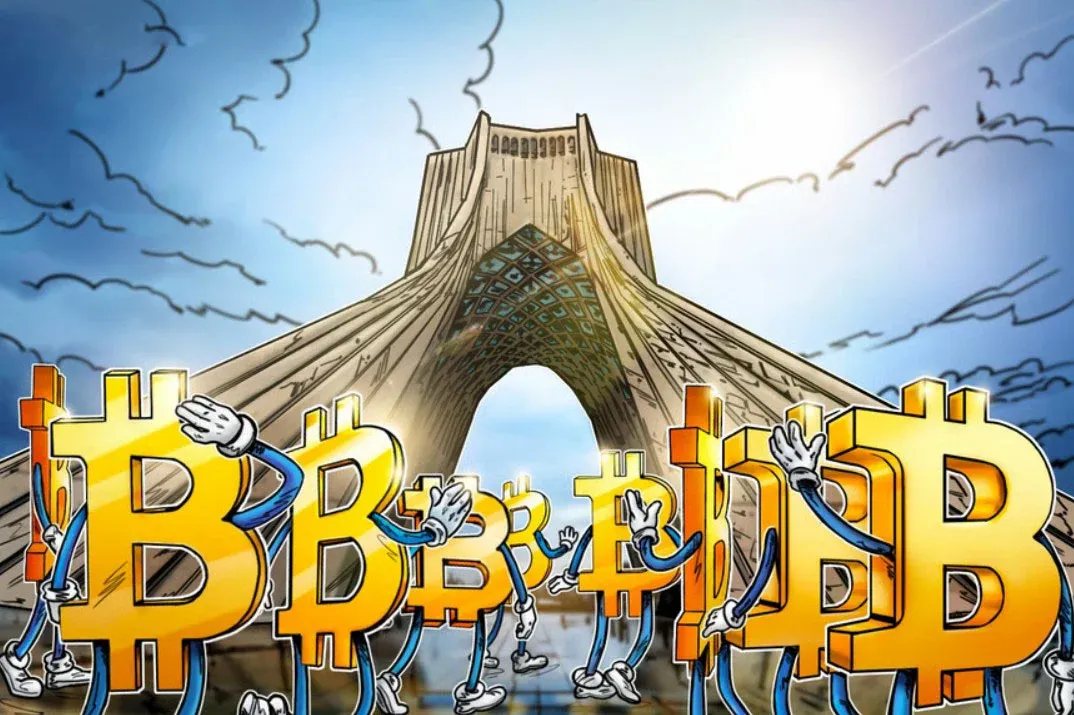
After the Iranian rial fell below a historic low against the US dollar in 2025, the public’s savings shrank dramatically in a short period, everyday consumer‑good prices surged, and confidence in the financial system was severely shaken. Faced with a rapid erosion of fiat value, people began looking for alternatives that could free them from the constraints of the national currency and the banking system, and digital assets—especially Bitcoin—quickly entered the conversation.
In this article we dissect the structural drivers behind the rapid devaluation of the Iranian rial and examine why Bitcoin has emerged as a potential store‑of‑value option for local residents. By weaving together macro‑policy, sanctions, and pressures on the financial system, we aim to help readers understand the hedging logic of digital assets in an environment of extreme inflation, and later sections will reveal the practical risks and opportunities of such an approach.
Iran’s 2025 Currency Collapse and Its Structural Causes
The rial’s depreciation was not a sudden shock. For years, high inflation, international sanctions, and macro‑management missteps have continuously weakened the currency. According to the *Financial Times* on 30 December 2025, since June of that year the rial has lost more than 40 % of its purchasing power, with the exchange rate edging toward 1 USD ≈ 1.4 million IRR.

A cascading crisis in the banking sector further eroded the real value of the currency. The Central Bank of Iran warned that without structural reforms several domestic banks faced liquidation risk; in fact, one large state‑owned bank had already collapsed, sparking public anger and even prompting the resignation of senior officials. Sanctions have limited Iran’s ability to obtain USD and to connect to the global financial network, making the domestic banking system even more fragile.
In October, private‑sector Ayandeh Bank was forced to shut down after accumulating losses of roughly $5.1 billion and debt close to $3 billion. Its assets, affecting more than 42 million customers, were taken over by the nation’s largest state bank, Bank Melli. Earlier, in February 2025, the central bank had also warned that eight other domestic banks faced the same dissolution risk.
Bitcoin Enters the Public Discourse
Against the backdrop of a fiat‑currency crisis, Bitcoin’s decentralized and cross‑border nature is viewed by many as a possible “financial safe haven.” Although short‑term adoption is still hampered by technical barriers and regulatory uncertainty, when the national currency is under pressure the public often lists Bitcoin among the viable alternative pathways.
It is worth noting that, historically, governments tend to impose cash‑withdrawal limits before cryptocurrency enthusiasm peaks, in an attempt to curb capital flight.
Repeating Patterns: Lessons from Argentina to Iran
Iran is not the first country where Bitcoin entered the debate during a monetary crisis. Argentina has long grappled with high inflation and capital controls; an estimated 19.8 % of its residents hold digital assets, making it one of the highest‑ownership nations in Latin America. Lebanon, after its banking system collapsed in 2019 and hyperinflation took hold, saw portions of the population turn to Bitcoin and other digital assets to sidestep banking restrictions. Turkey has also experienced repeated bouts of high inflation, prompting a rise in cryptocurrency trading volume. Although adoption levels vary across social strata, overall activity has attracted regulatory attention.
These cases collectively illustrate that when a nation’s currency loses credibility, digital assets often become a focal point of public discourse. Despite differing economic fundamentals, the underlying driver is essentially the same: declining confidence in fiat money.
How Bitcoin Gains Traction When Institutions Fail
Bitcoin’s recurrent appearance in crisis scenarios can be traced to several key factors:
- Erosion of Trust in the Domestic Currency: When purchasing power collapses, people question the ability of traditional money to store value and start seeking alternatives.
- Constrained Financial System: Sanctions, capital controls, or banking failures limit access to foreign exchange and global markets, making non‑traditional payment channels more attractive.
- Distinction Between Concept and Utility: In some environments stablecoins see broader day‑to‑day use, while Bitcoin often serves a symbolic role—representing financial independence rather than acting as the primary medium of exchange.
Even if the overall share of crypto holdings remains modest, peer‑to‑peer Bitcoin transaction networks can expand locally during crises, highlighting a gap between public interest and actual usage.
Barriers to Widespread Bitcoin Adoption
Despite growing discussion, large‑scale deployment of Bitcoin still faces multiple challenges:
- Uneven Access Requirements: Reliable internet, suitable hardware, and the necessary technical literacy are still lacking in many regions, and regulatory uncertainty further hampers the promotion of self‑custody solutions.
- Extreme Price Volatility: During periods of intense financial stress, Bitcoin’s short‑term price swings make it difficult to compete with more stable alternatives.
- Legal and Operational Risks: Crisis‑stricken countries often tighten regulations, exposing users to restrictions; security risks also remain significant. In June 2025, the Nobitex exchange suffered a theft of roughly $81 million, heightening market uncertainty.
Narrative of Crisis and the Future of Money
The emergence of Bitcoin amid Iran’s currency crisis does not imply that it is the sole solution; rather, it reflects a reassessment of money’s functions during extreme economic instability. As the experiences of Argentina, Lebanon, and Turkey demonstrate, discussions around digital assets surge when trust in traditional finance wanes. While technical, regulatory, and security hurdles remain formidable, the very fact that these conversations are taking place shows a willingness among the public to experiment when confronted with financial setbacks.
Key Takeaways
- In 2025 the Iranian rial depreciated sharply, losing over 40 % of its purchasing power, which squeezed household savings, drove up prices, and damaged confidence in the banking system.
- Heightened pressure on fiat money spurred domestic debate over alternative financial solutions, with Bitcoin highlighted because it operates independently of the national currency and banking infrastructure.
- Experiences from Argentina, Lebanon, Turkey and other nations indicate that digital assets frequently enter the public agenda after a loss of confidence in the local currency.
- Major obstacles to broad Bitcoin adoption persist, including high volatility, uneven technological access, regulatory uncertainty, legal risk, and operational complexities.
This analysis explains why Iran’s monetary crisis has positioned Bitcoin (BTC) as a potential hedging pathway. For further coverage, follow Bitaigen (比特根).
*Note: Cryptocurrency gains may be taxable in many jurisdictions; users should consult local tax regulations.*
Related Reading
- Gold vs. Bitcoin 2026: Why Gold Leads as a Safe-Haven Asset
- Bitcoin Difficulty Pullback 2026 Boosts BTC Price Above $94k
- Bitcoin Mining Difficulty Jumps 15% as US Miners Recover
💡 Register on Binance with referral code B2345 for the maximum trading fee discount. See Binance complete guide.



