
 Bitaigen Research
 In this article we systematically outline the core architecture of BSC, its consensus mechanism, and the way it achieves compatibility with Ethereum. We also delve into the BEP‑20 token standard and the currently hottest on‑chain DApps. By dissecting each layer, readers can quickly grasp BSC’s position and development trends within the DeFi ecosystem. Subsequent sections will provide hands‑on guides, so stay tuned.
Overview of BSC (Binance Smart Chain)
Binance Smart Chain (BNB Smart Chain, abbreviated BSC) operates in parallel with the original Binance Chain (also known as BNB Beacon Chain) within the Binance ecosystem. Launched in 2020, it primarily supplies smart‑contract support for DeFi scenarios, enabling projects to deploy contracts and build services directly on the chain. Consequently, the BNB token has risen alongside BSC’s growth, and its market capitalization consistently ranks among the industry’s leaders.
Want to learn more about BSC’s functionalities, core technologies, and the most popular DApps at the moment? Follow the Bitaigen editorial team as we peel back each layer.
---
Positioning and Origin of BSC
The birth of BNB Smart Chain was aimed at overcoming the smart‑contract limitations of the then‑existing Binance Chain (later renamed BNB Beacon Chain).
- 2019 – BNB migrated from Ethereum to Binance Chain, becoming the native token of that chain.
- 2020 – BSC launched as a parallel chain, adding full smart‑contract capability.
- 2022 – BSC merged with the original Beacon Chain into a unified BNB Chain ecosystem, while each continued to serve distinct use cases.
Before the merger, Binance maintained two separate public blockchains: the Beacon Chain handled governance and staking, whereas BSC focused on DApps and DeFi. After the 2022 consolidation, the official name became BNB Chain, but the community still commonly refers to the smart‑contract side as BSC.
---
BEP‑20 and Asset Transfers on BSC
When you see a “BSC (BEP‑20)” label in an exchange or wallet, it is simply indicating the token standard being used.
- BEP‑20 is the BNB Chain equivalent of Ethereum’s ERC‑20 and serves as the unified specification for issuing tokens on the network.
- Any asset marked as BEP‑20 can circulate freely on the BSC network. For example, PancakeSwap’s native token $CAKE follows this standard.
When you choose “BSC (BEP‑20)” as the transfer network in your wallet, the system automatically routes the transaction through the BSC network.
---
BscScan: On‑Chain Data Explorer
BscScan is the blockchain explorer for BSC, offering functionality analogous to Ethereum’s Etherscan. Users can view transaction details, contract information, address balances, and other publicly available data.
---
Comparison of BNB Beacon Chain and BSC
| Feature | BNB Beacon Chain | BNB Smart Chain (BSC) |
|---|---|---|
| Token Standard | **BEP‑2** (governance token) | **BEP‑20** (smart‑contract token) |
| Core Functions | Staking, voting, on‑chain governance | Smart contracts, DApps, DeFi, cross‑chain support |
| Ethereum Compatibility | No | Fully EVM‑compatible, supports Solidity and common Ethereum tooling |
| Operational Mode | Runs in parallel with BSC, providing the base consensus layer | Operates independently on top of the Beacon Chain; not a Layer‑2 solution |
It is important to stress that BSC is not an off‑chain scaling solution; it is a parallel chain capable of continuing operation even if the Beacon Chain were to become unavailable. Its EVM compatibility lets developers port Ethereum projects with minimal friction, and regular users can add the network to wallets such as MetaMask with a few clicks.
BNB Chain Fusion Merger Plan
At the end of 2023, the BNB Chain team announced a phased shutdown of the Beacon Chain, with its core functionalities being migrated to BSC. The migration is slated to begin in April 2024 and is expected to conclude by June 2024. For the exact roadmap, refer to the official Fusion documentation.
---
Technical Operation of BSC
Consensus Model
BSC employs Proof‑of‑Staked‑Authority (PoSA), which builds on Proof‑of‑Stake by adding a limited set of trusted validators. Users who hold and stake BNB can become validators, confirming transactions and earning modest fee rewards. Block time averages ≈ 3 seconds, and there is no inflationary block reward—newly minted BNB is not issued, and Binance periodically burns tokens, leading to a net decreasing supply.
BEP‑20 Token Specification
BEP‑20 defines a standardized interface for tokens on BSC, covering transfers, balance queries, allowances, and other core functions. Its function signatures are essentially identical to ERC‑20, allowing developers to reuse Ethereum codebases and rapidly create assets such as NFTs, stablecoins, and utility tokens. Transaction fees are paid in small amounts of BNB, analogous to gas on Ethereum.
Cross‑Chain Assets and Pegged Tokens
In BSC’s DeFi landscape, “peg‑tokens” or “wrapped tokens” like BTCB, USDT, and ETH are created by locking the original asset on another chain via a smart contract and issuing an equivalent token on BSC. For instance, locking 1 BTC on the source chain results in the minting of 1 BTCB on BSC, maintaining a one‑to‑one value relationship and enabling seamless circulation within the BSC ecosystem.
---
Core Characteristics of BSC
- High Speed & Low Fees: Approximately 3‑second block intervals and gas costs far below those on Ethereum, making it suitable for high‑frequency trading and large‑scale DApps.
- Moderate Decentralization: Around 29 validator nodes currently secure the network; this improves efficiency but introduces a concentration risk.
- Full EVM Compatibility: Supports Solidity, allowing developers to migrate existing Ethereum projects without major rewrites.
- Multi‑Purpose BNB Token: Beyond paying for gas, BNB can be staked, used for on‑chain governance, and employed in DeFi protocols. Within Binance’s own platforms, BNB also serves for airdrops, savings products, and fee discounts.
- Deep Integration with Binance Services: Moving assets between Binance’s exchange and BSC is extremely convenient, and users can engage in NFTs, GameFi, metaverse projects, and other emerging services directly on‑chain.
---
Hotspots in the BSC Ecosystem: Leading DApps and DeFi Projects
PancakeSwap

As the largest decentralized exchange (DEX) on BSC, PancakeSwap offers token swapping, cross‑chain swaps, liquidity mining (Yield Farming), and Initial Farm Offerings (IFOs) among other features. It can be accessed instantly through hot wallets like Binance Web3 Wallet.
Venus

Venus functions similarly to Aave in the Ethereum ecosystem, providing lending and borrowing services. Users can lock up existing assets as collateral and obtain liquidity without selling their holdings, thereby improving capital efficiency.
---
Quickly Obtain Your BSC Address
If you do not yet have a crypto wallet, we recommend downloading Trust Wallet. Follow these steps to generate a BSC address:
- Tap 【Create New Wallet】; the app will generate a 12‑word recovery phrase. Store the phrase and the private key securely—losing them means permanent loss of access to your wallet.
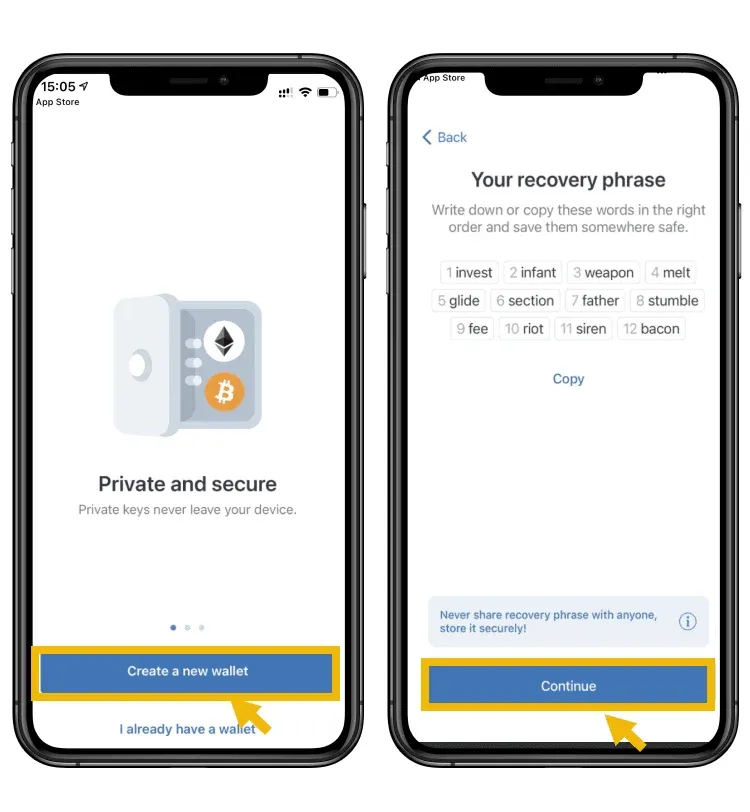
- After creation, navigate to 【Smart Chain】 → 【Receive】 to view your BSC address. You can copy it via the QR code or tap 【Share】 to send it to others.
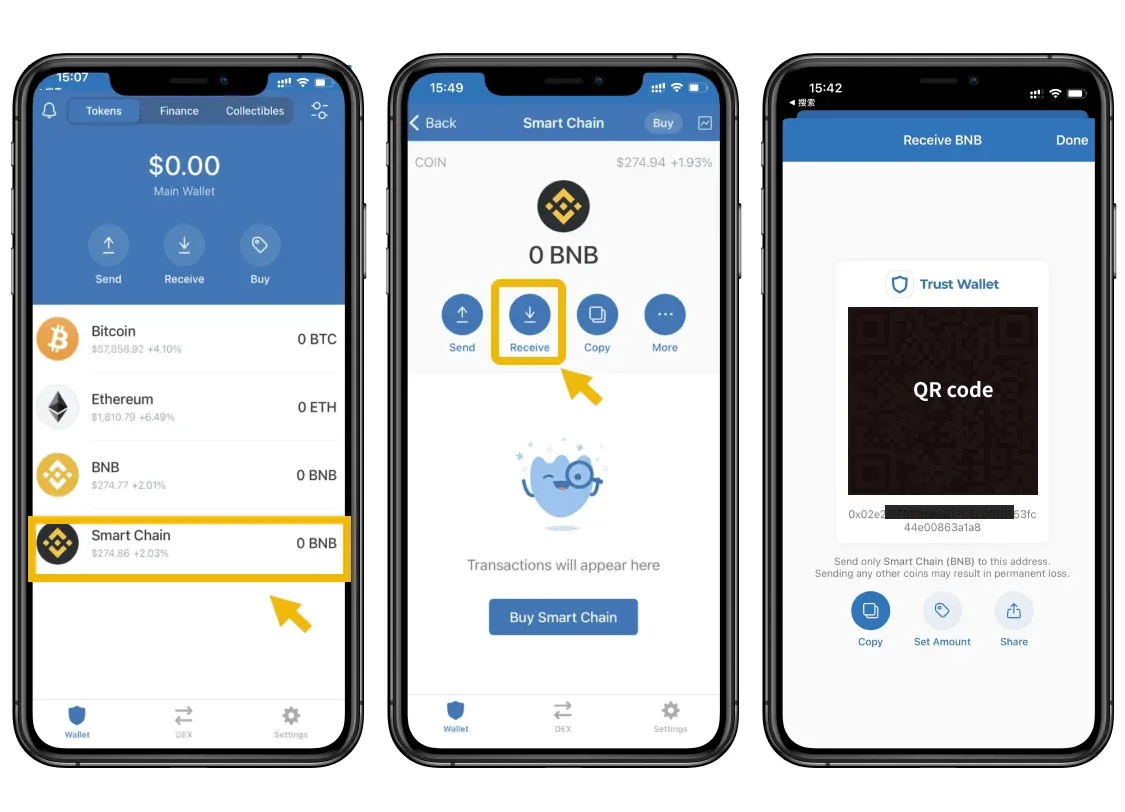
- To view any Binance NFTs you own, tap 【Collectibles】. Additionally, platforms such as BakerySwap allow you to buy and sell NFTs directly from the wallet.
---
Overview of Binance Exchange
Binance (official sign‑up link) is a globally leading digital‑asset trading platform offering spot, futures, margin, savings, education, project incubation, token issuance, research, and charitable services. It serves users in over 190 countries and regions.
- For users in the United States, Binance.US should be used instead of the global Binance platform to comply with local regulations.
- Fiat on‑ramps support USD via bank transfers (SEPA for EUR, SWIFT for other currencies) and credit‑card purchases.
---
Closing Remarks
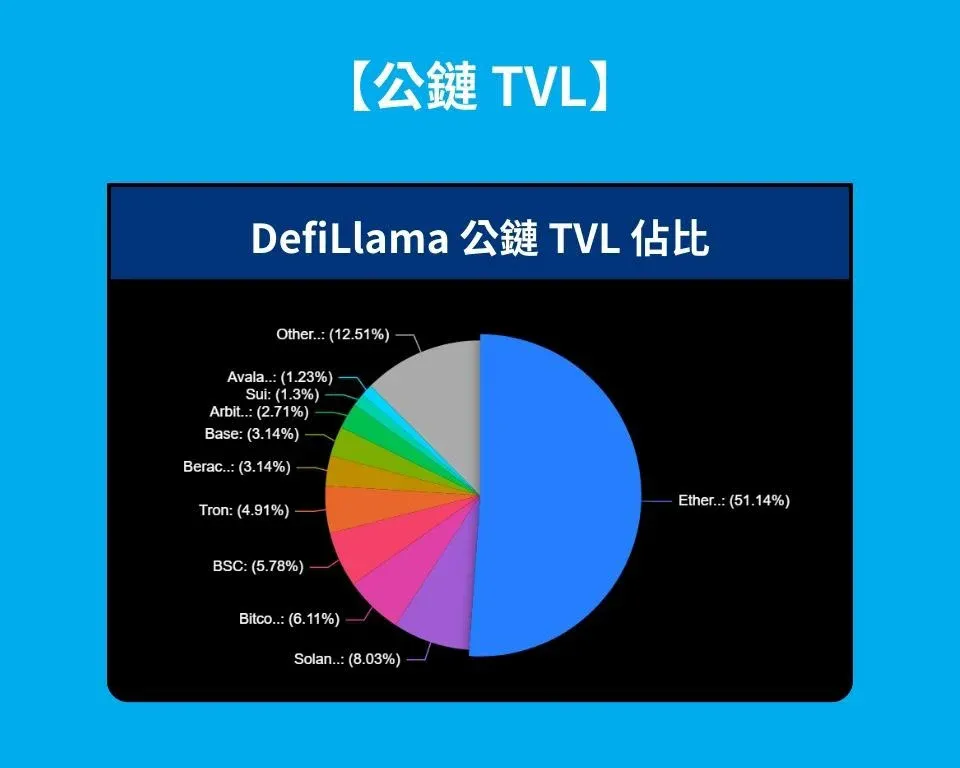
Thanks to its rapid block times, low transaction fees, and deep ties to the Binance ecosystem, BNB Chain has become one of the most closely watched public blockchains today. Nevertheless, the rapid emergence of newcomers such as Solana, Sui, and others means BNB Chain must continue innovating to retain its competitive edge.
The content above constitutes a comprehensive analysis of BSC (Binance Smart Chain) prepared by the Bitaigen editorial team, covering the chain’s characteristics, the BEP‑20 standard, and its most popular DApps. It is intended for educational purposes only. Please remember that cryptocurrency gains may be taxable in your local jurisdiction; consult a tax professional for guidance.
Happy exploring within the BSC ecosystem!
Related Reading
- EVM Public Blockchains: Technical Review & Ecosystem
- XRPL EVM: Ethereum-Compatible Sidechain for DeFi, NFTs
- BEP-20 Address Guide: Identify & Compare ERC-20, TRC-20
💡 Register on Binance with referral code B2345 for the maximum trading fee discount. See Binance complete guide.



