
 Bitaigen Research
 At Bitaigen’s editorial team we dissect token transfer calls from the contract level, reveal how different protocols affect gas consumption, and suggest ways to cut costs. By comparing ERC20, ERC777, ERC1363, ERC2612 and other standards, we help readers understand optimization paths; future case studies will be worth watching.
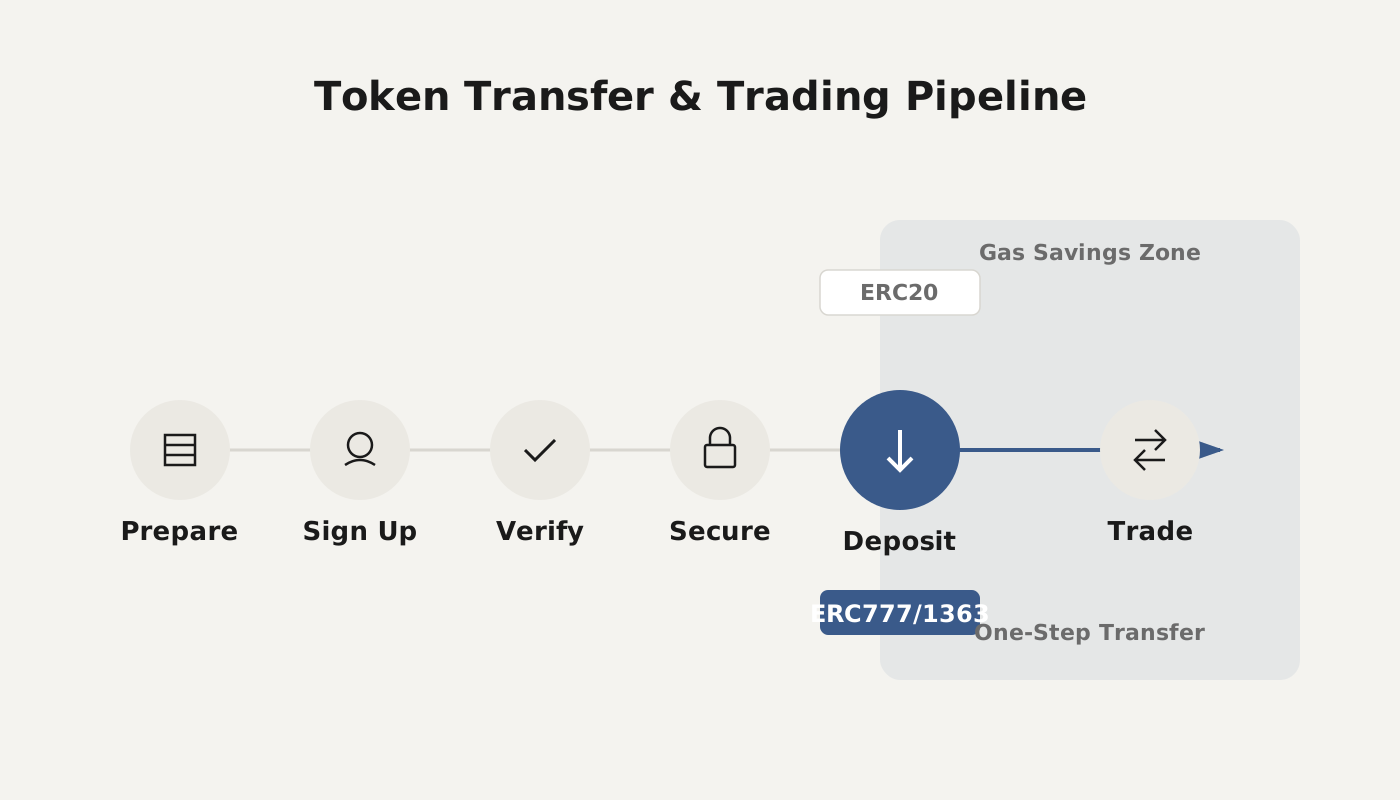
How Many Transaction Calls Are Required for Token‑Protocol Transfers?
In token standards, ERC20 needs two transactions to complete a transfer, while ERC777, ERC1363 and ERC2612 achieve the same functionality in a single transaction through optimized designs.
When people think of Ethereum, the first thing that often comes to mind is gas fees. Since major blockchain projects have launched mainnets, “gas” has become a staple keyword in every announcement. Persistently high gas costs are a major pain point for blockchain transactions, especially for users active across various segments of the crypto ecosystem.
As the number of blockchain projects skyrockets and market size expands, the volume of on‑chain transactions and the average gas consumed per transaction have risen in tandem.
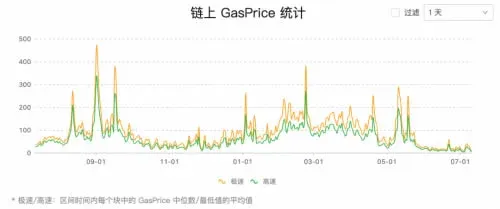
Gas Price Trend
Historical gas price data provided by GasNow visually illustrate fee volatility. Recently, factors such as market fluctuations, mainnet upgrades, and Layer‑2 solutions have contributed to a noticeable decline in gas fees on Ethereum and other chains.
Beyond market dynamics, can we reduce the number of transactions needed to perform a specific function at the smart‑contract code level, thereby lowering overall transaction costs and easing network load? This article tackles that question by comparing several ERC20‑compatible token standards—ERC777, ERC1363, and ERC2612—and analyzing how many transaction calls each requires for a transfer, helping readers identify more efficient implementation options.
---
ERC20
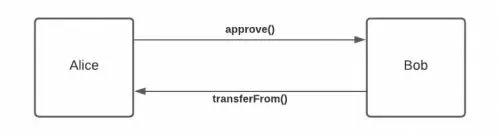
The ERC20 transfer flow consists of two steps:
- Call `approve()` to grant allowance;
- Call `transfer()` or `transferFrom()` to move the tokens.
Consequently, two transactions must be sent, and gas is paid twice. To address the “two‑step” limitation, the industry introduced three improvement proposals: ERC777, ERC1363, and ERC2612. The first two are relatively mature, while ERC2612 continues to evolve.
In an ERC20 scenario, the primary participants are the token sender (e.g., Alice) and the receiver (e.g., Bob). The diagram below outlines the simplified ERC20 transfer process:
---
ERC777
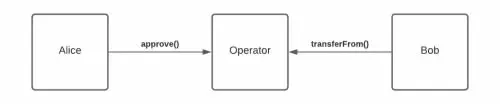
ERC777 introduces the concept of an operator to eliminate the two‑step approval. The flow works as follows:
- The sender authorizes an operator;
- The operator then acts on behalf of the sender within the ERC777 contract to send tokens directly to the receiver.
During this process the sender does not pay gas; the operator bears the transaction cost, enabling the transfer to be completed in a single transaction.
---
ERC1363
ERC1363 builds on ERC20 by adding advanced functions:
- `approveAndCall()`
- `transferAndCall()`
- `transferFromAndCall()`
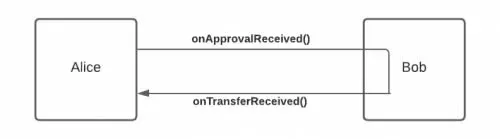
These functions automatically invoke the spender contract’s `onApprovalReceived()` or the receiver contract’s `onTransferReceived()` after the approval or transfer is completed, merging what would normally be separate steps into one transaction.
---
ERC2612
ERC2612 implements off‑chain signatures for authorization:
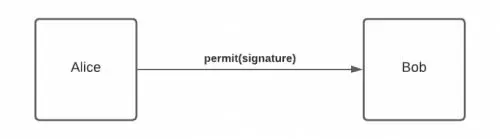
- The user generates a signature off‑chain that includes the authorized address and the allowance amount;
- The signature is submitted to a contract that conforms to the ERC2612 standard;
- The contract verifies the signature and directly executes `transferFrom`, completing the transfer.
This approach also combines authorization and transfer into a single transaction while enhancing flexibility.
---
Conclusions and Outlook
From the comparison we can draw the following points:
- Number of transactions: ERC20 requires two; ERC777, ERC1363, and ERC2612 can accomplish the transfer in one transaction.
- Compatibility: All three alternatives are backward‑compatible with ERC20, making migration relatively low‑cost.
- Flexibility: ERC2612 offers the most adaptable signature‑based authorization, suitable for a wide range of use cases.
As the number of smart‑contract projects continues to explode, the backlog of pending transactions per block rises steadily. Reducing the number of transactions that must be packed into a block at the protocol level can dramatically boost network throughput and lower average gas consumption—an outcome that is crucial for the sustainable development of the blockchain ecosystem.
Optimizing transaction costs and the associated environmental impact not only improves network efficiency but also drives the maturation and prosperity of blockchain infrastructure.
This concludes the detailed answer to “How many transaction operations are required for token protocol transfers?” For more content on token standards, stay tuned to Bitaigen’s (比特根) other articles.
Related Reading
- How to Transfer Assets When an Exchange Delists a Token
- TRC20 vs ERC20 USDT Transfers: Fees, Speed & Best Network Choice
- TRC20 vs ERC20: Sending TRC20 Tokens to an ERC20 Address
💡 Register on Binance with referral code B2345 for the maximum trading fee discount. See Binance complete guide.



