
 Bitaigen Research
 We have compiled in this article the many clues surrounding the identity of Satoshi Nakamoto and conducted an in‑depth trace of the evolution of his holdings, helping readers untangle the mystery and pinpoint key moments in the Bitcoin ecosystem. If you want to understand the truth behind the mask and the future distribution of Bitcoin ownership, keep reading. We combine on‑chain data with industry interviews to give you a comprehensive perspective.
Who Is the Founder of Bitcoin, Satoshi Nakamoto? Who Will Own the Most Bitcoin in 2025?
Who Exactly Is Satoshi Nakamoto?
Satoshi Nakamoto is the anonymous creator of Bitcoin, and to this day no one has been able to verify his (or their) true identity. In 2008 he (or they) published the white‑paper “Bitcoin: A Peer‑to‑Peer Electronic Cash System”, and in 2009 released the first Bitcoin client. Speculation about his identity is abundant: some argue he is a cryptography expert or a computer scientist, while others think “Satoshi Nakamoto” might be a pseudonym for a team. So far, no decisive evidence has emerged.
Gradual withdrawal: Starting in 2010, Nakamoto began handing over project maintenance to community members, and by 2011 he vanished from public discussion entirely, never appearing again.
Asset scale: Estimates suggest Nakamoto controls roughly 1.1 million BTC. The dollar value fluctuates with the market, making him the largest known Bitcoin holder.
Identity clues: He claimed to have a Japanese‑American background, yet his writing contains British English spellings, prompting further doubt about his actual nationality. The white‑paper and early code also hide a headline from *The Times* dated 3 January 2009, hinting at a critical stance toward the traditional financial system.
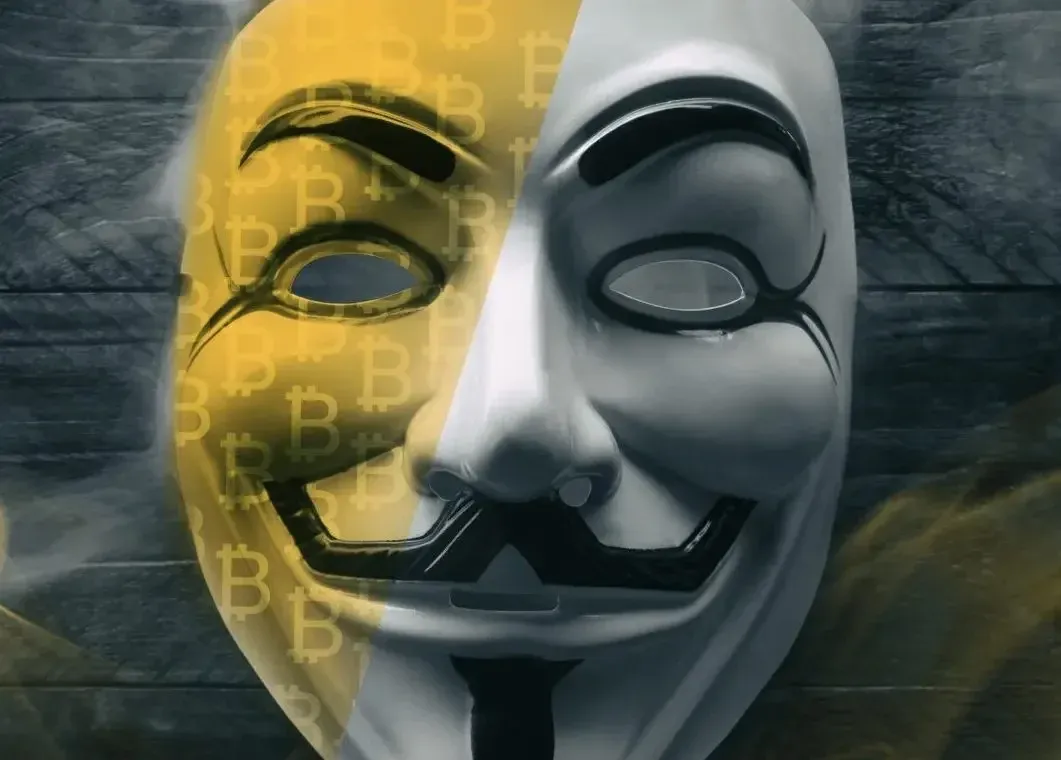
The Enigmatic Creator
- White‑paper release
In October 2008, Nakamoto published the foundational paper *“Bitcoin: A Peer‑to‑Peer Electronic Cash System,”* which systematically described the concept and implementation of a decentralized digital currency.
- Genesis block
In January 2009 he mined the first block—known as the *genesis block*—receiving a reward of 50 BTC and officially launching the Bitcoin network.
- Project handoff
After collaborating with early developers to refine the protocol, around 2011 Nakamoto transferred the codebase and project control to core developers and then disappeared from the public eye.
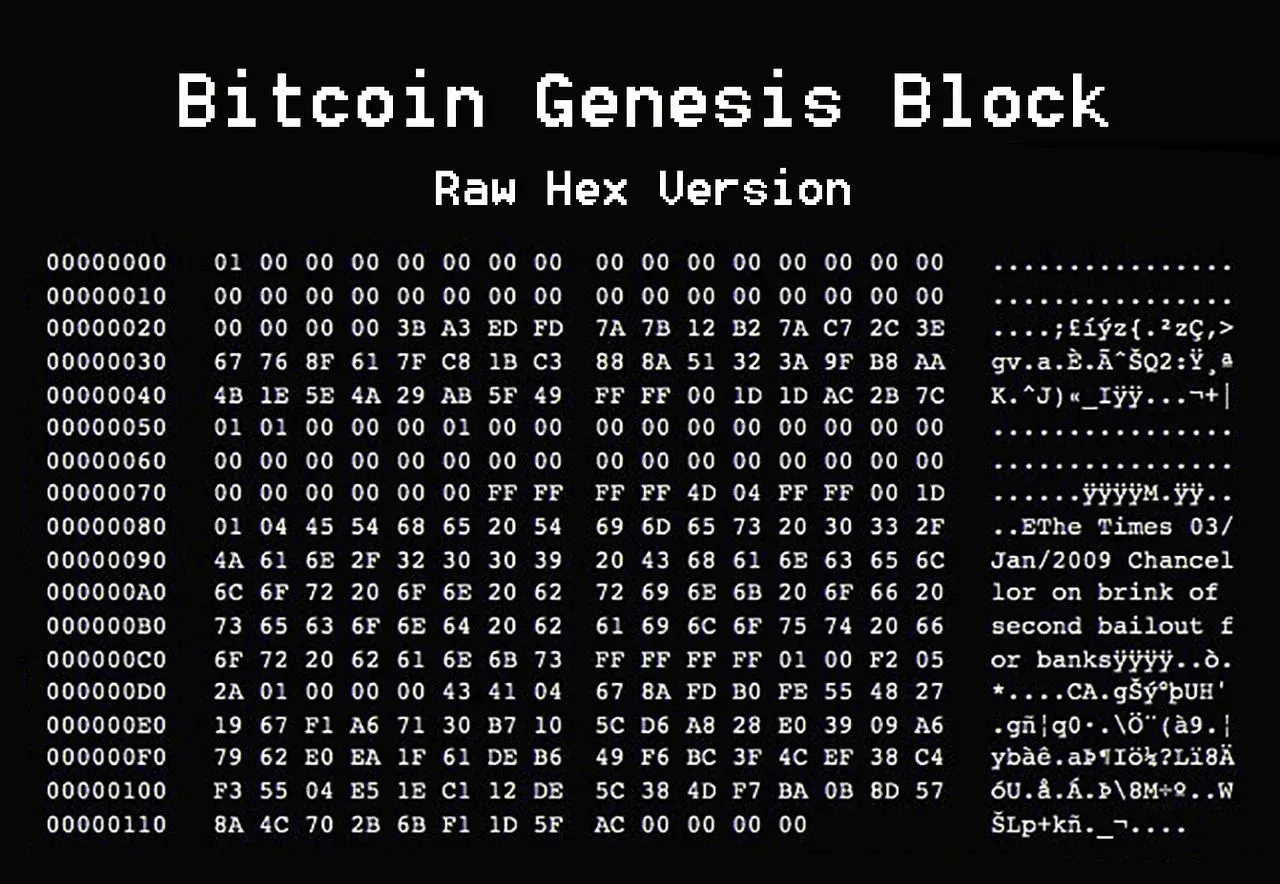
Embedded in the script of the genesis block is the following text:
“The Times 03/Jan/2009 Chancellor on brink of second bailout for banks.”
The sentence quotes the *Times* headline of that day, revealing the author’s dissatisfaction with bank bailouts.
What Is Satoshi Nakamoto’s Net Worth?
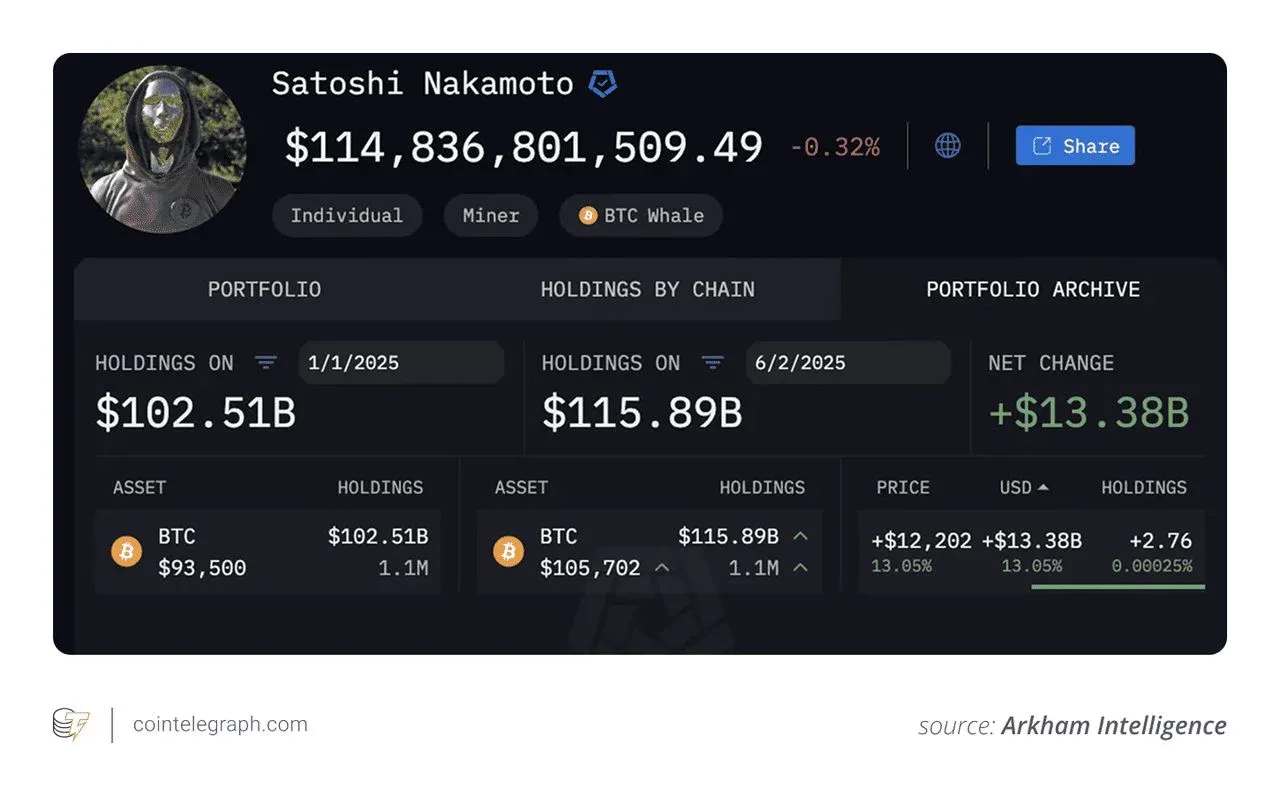
Nakamoto’s Bitcoin holdings are spread across more than 22 000 addresses, accounting for roughly 5.2 % of the total Bitcoin supply. As of July 2025, with Bitcoin reaching an all‑time high of US $122,000, his holdings alone are valued at about US $134 billion, placing him eleventh on the global wealth list—just behind Oracle co‑founder Larry Ellison.
If Bitcoin were to climb again to US $370,000 (an increase of roughly 208 %), Nakamoto’s wealth would exceed US $400 billion, potentially overtaking the current world’s richest person.
It is noteworthy that none of these coins have ever been moved since 2009. Over a decade of blockchain monitoring has detected zero transactions from the addresses linked to Nakamoto, turning the silence into a focal point for the community. A common discussion thread asks whether a sudden outflow would trigger panic selling or prove that the creator is still alive. Nakamoto’s silence undeniably adds layers of mystique to Bitcoin’s decentralized ethos.
Frequently Cited “Suspects”
- Dorian Nakamoto – A Japanese‑American physicist whose name coincidentally matches the pseudonym. He has firmly denied any connection to Bitcoin.
- Hal Finney – A cryptography pioneer who received the first Bitcoin transaction from Satoshi. Although deeply involved in early development, he publicly denied being Nakamoto before his death.
- Nick Szabo – The originator of the “Bit Gold” concept, whose ideas closely resemble Bitcoin. Szabo also publicly refutes any claim of authorship.
- Craig Wright – An Australian academic who is one of the few individuals openly claiming to be Satoshi, but the evidence he provided has not gained broad acceptance.
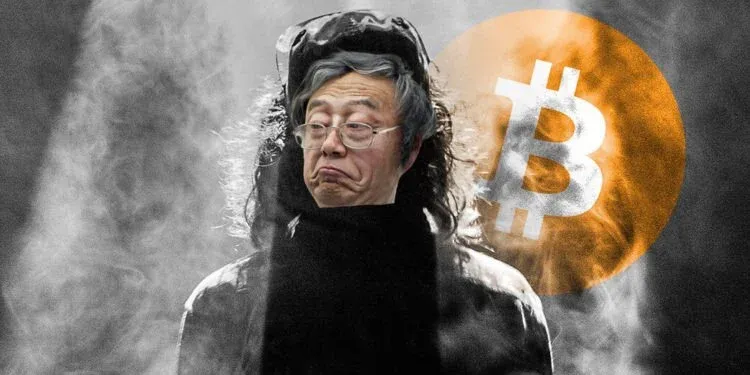
Deeper Meaning Behind the Anonymity
- Preserving decentralization – By keeping his identity hidden, Nakamoto ensured Bitcoin would have no single leader, strengthening resistance to censorship and reinforcing the protocol itself as the highest authority.
- Avoiding potential risks – As the creator of a technology that could disrupt traditional finance, anonymity helps dodge direct pressure from governments, institutions, or malicious actors.
- Security of massive wealth – Holding roughly 1.1 million untouched BTC would attract unprecedented scrutiny and security threats if the owner’s identity were revealed; staying mysterious is a rational protective measure.
Fun Facts About Satoshi Nakamoto
1. Billionaire who never spends
Since mining the 1.1 million BTC by 2010, none of the coins have ever been transferred. Their cumulative value now exceeds US $134 billion. This silence fuels speculation about whether Nakamoto is still alive or has deliberately abandoned the ecosystem.
2. Possibly a collective
Linguistic analysis shows alternating British and American English spellings in the white‑paper, with noticeable shifts in sentence structure and technical tone. Some researchers therefore hypothesize that a team, rather than a single individual, may be behind the work.
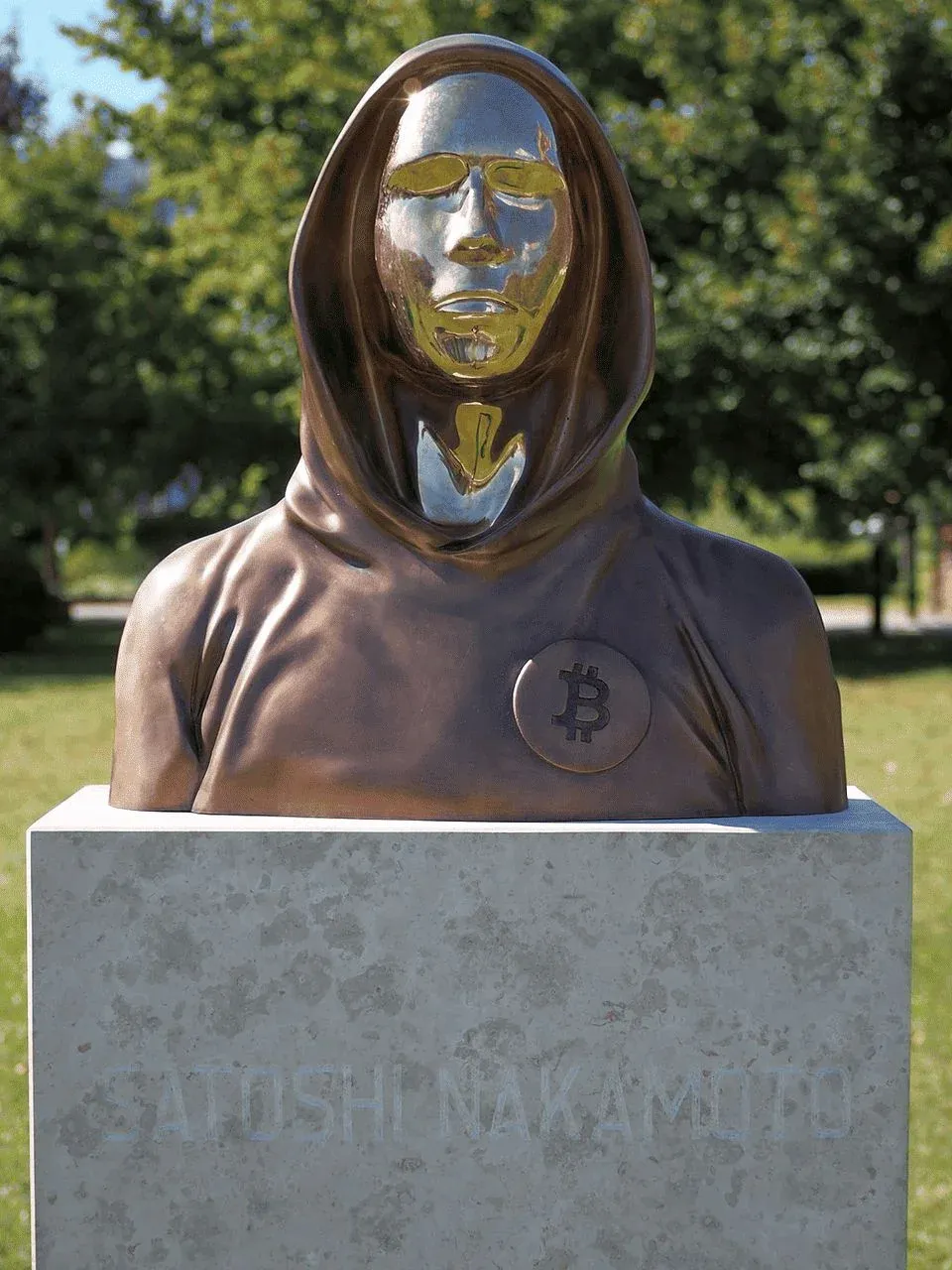
3. Budapest memorial statue
In September 2021, a bronze statue of Satoshi was erected in Budapest, Hungary. The sculpture incorporates reflective elements to symbolize anonymity and the “We are all Satoshi” philosophy, quickly becoming a pilgrimage site for crypto enthusiasts.
4. “Patoshi pattern”
Blockchain researchers identified a unique mining signature—dubbed the *Patoshi pattern*—within the first 22 000 blocks. The pattern is believed to correspond to Nakamoto’s early mining activity, showing a customized hash‑rate configuration designed to avoid competition with other miners.
Potential Suspect List for Satoshi Nakamoto
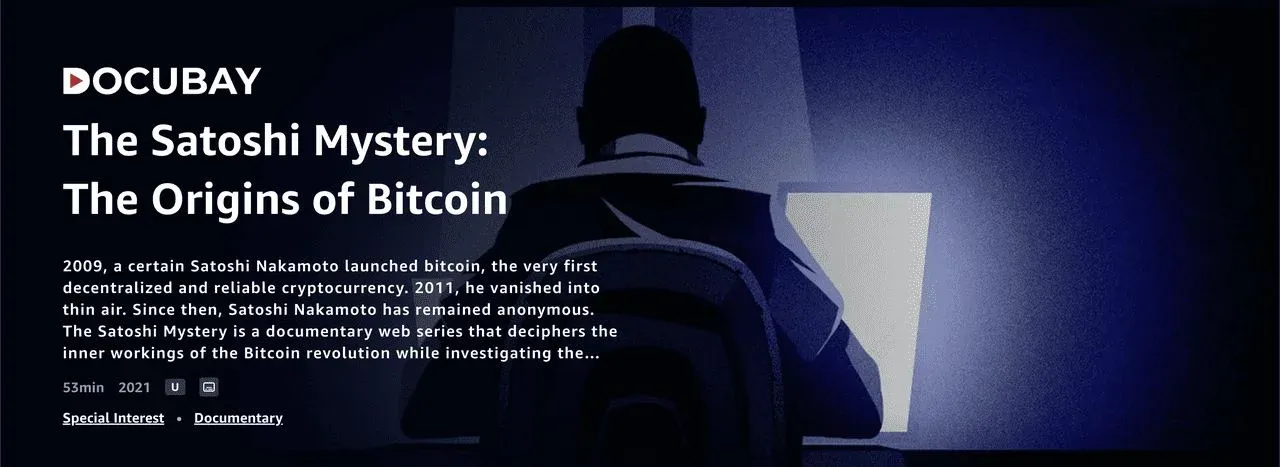
Over the past fifteen years, debate over Nakamoto’s identity has never ceased. The following figures are repeatedly mentioned as primary candidates:
- Hal Finney – One of Bitcoin’s earliest developers and the recipient of the first transaction. He had a geographical connection to Dorian Nakamoto, leading some to view him as a possible founder. Finney died in 2014 after battling ALS.
- Nick Szabo – Computer scientist who proposed “Bit Gold” before Bitcoin’s appearance. Stylometric studies link his writing style to Satoshi’s, yet he repeatedly denies any involvement.
- Dorian Nakamoto – In 2014 *Newsweek* identified him as the creator; he subsequently rejected the claim and said he had never heard of Bitcoin.
- Adam Back – Inventor of Hashcash and CEO of Blockstream. His technical background aligns with references in the white‑paper, but he also denies being Satoshi.
- Jack Dorsey – A 2025 theory suggests the co‑founder of Twitter (now X) and former Square may be Nakamoto, citing his early involvement in the cypherpunk movement and timing coincidences. Dorsey has neither confirmed nor denied the speculation.
- Peter Todd – A 2024 HBO documentary hinted he could be Satoshi, basing the claim on his deep understanding of Bitcoin code and early community activity. Todd has denied the allegation and remains low‑key for security reasons.
Although numerous self‑proclamations and external accusations have surfaced, no conclusive evidence has yet identified the true Satoshi. Most observers agree that the very anonymity is a core design intention, preventing any single person or entity from exerting undue influence over the network.
Beyond Satoshi: Who Holds the Most Bitcoin in 2025?
Bitcoin Holding Overview (July 2025)
| Holding Range (BTC) | Number of Addresses | Share of Total | BTC Held | Approx. USD Value |
|---|---|---|---|---|
| 0‑0.000001 | 6,710,426 | 12.13 % | 39.07 | 4,772,320 |
| 0.00001‑0.0001 | 11,633,668 | 21.03 % | 491.51 | 60,035,223 |
| 0.0001‑0.001 | 13,177,049 | 23.82 % | 4,955 | 605,173,314 |
| 0.001‑0.01 | 11,454,390 | 20.71 % | 42,244 | 5,159,875,532 |
| 0.01‑0.1 | 7,883,386 | 14.25 % | 267,011 | 32,613,548,453 |
| 0.1‑1 | 3,467,477 | 6.27 % | 1,069,269 | 130,604,047,646 |
| 1‑10 | 831,673 | 1.5 % | 2,062,340 | 251,901,069,681 |
| 10‑100 | 133,463 | 0.24 % | 4,319,163 | 527,556,882,519 |
| 100‑1,000 | 16,481 | 0.03 % | 4,803,618 | 586,729,798,917 |
| 1,000‑10,000 | 2,015 | 0 % | 4,440,859 | 542,421,247,059 |
| 10,000‑100,000 | 910 | 0 % | 2,245,124 | 274,226,867,425 |
| 100,000‑1,000,000 | 40 | 0 % | 634,214 | 77,465,026,496 |
Source: BitInfoCharts
Institutional & Corporate Holding Rankings
- BlackRock Spot Bitcoin ETF (IBIT) – Since its launch in 2024, IBIT manages over 700 000 BTC, valued at roughly US $85 billion, making it the largest institutional holder.
- Binance Cold Wallets – Binance operates the world’s biggest exchange cold‑wallet with about 248,600 BTC (≈ US $30 billion). A second cold wallet stores an additional 115,000 BTC.
- Strategy (formerly MicroStrategy) – Under Michael Saylor’s direction, the firm has accumulated about 597,325 BTC, worth over US $73 billion, representing roughly 3 % of circulating supply.
- Grayscale Bitcoin Trust (GBTC) – Holds approximately 292,000 BTC, valued near US $35 billion.
- Robinhood (HOOD) – Its cold‑wallet contains about 140,600 BTC, estimated at US $17 billion.
- Bitfinex Cold Wallet – Controls roughly 130,010 BTC, plus a government‑seized chunk of 94,600 BTC, together exceeding US $27 billion in value.
Sovereign Bitcoin Reserves
Countries worldwide, through confiscations or strategic stockpiling, collectively hold about 529,000 BTC (≈ 2.5 % of total supply):
- United States – ~207,189 BTC (≈ US $25 billion)
- China – ~194,000 BTC
- United Kingdom – ~61,245 BTC
- Ukraine – ~46,351 BTC (largely from wartime donations)
- Bhutan – ~11,924 BTC (state‑run mining)
- El Salvador – ~6,229 BTC (as legal tender)
Top Individual Holders
- Cameron & Tyler Winklevoss – ~70,000 BTC
- Tim Draper – ~30,000 BTC (acquired at a 2014 U.S. law‑enforcement auction)
- Michael Saylor (personal) – ~17,732 BTC
The ten largest wallets (excluding Satoshi) together hold about 1.1 million BTC, representing 5.5 % of circulating supply; the top 100 wallets account for roughly 15 %. Mid‑size wallets (100‑1,000 BTC) are proliferating quickly, indicating that institutions and high‑net‑worth individuals continue to expand their positions.
How Might Satoshi’s Silence Influence Bitcoin’s Value?
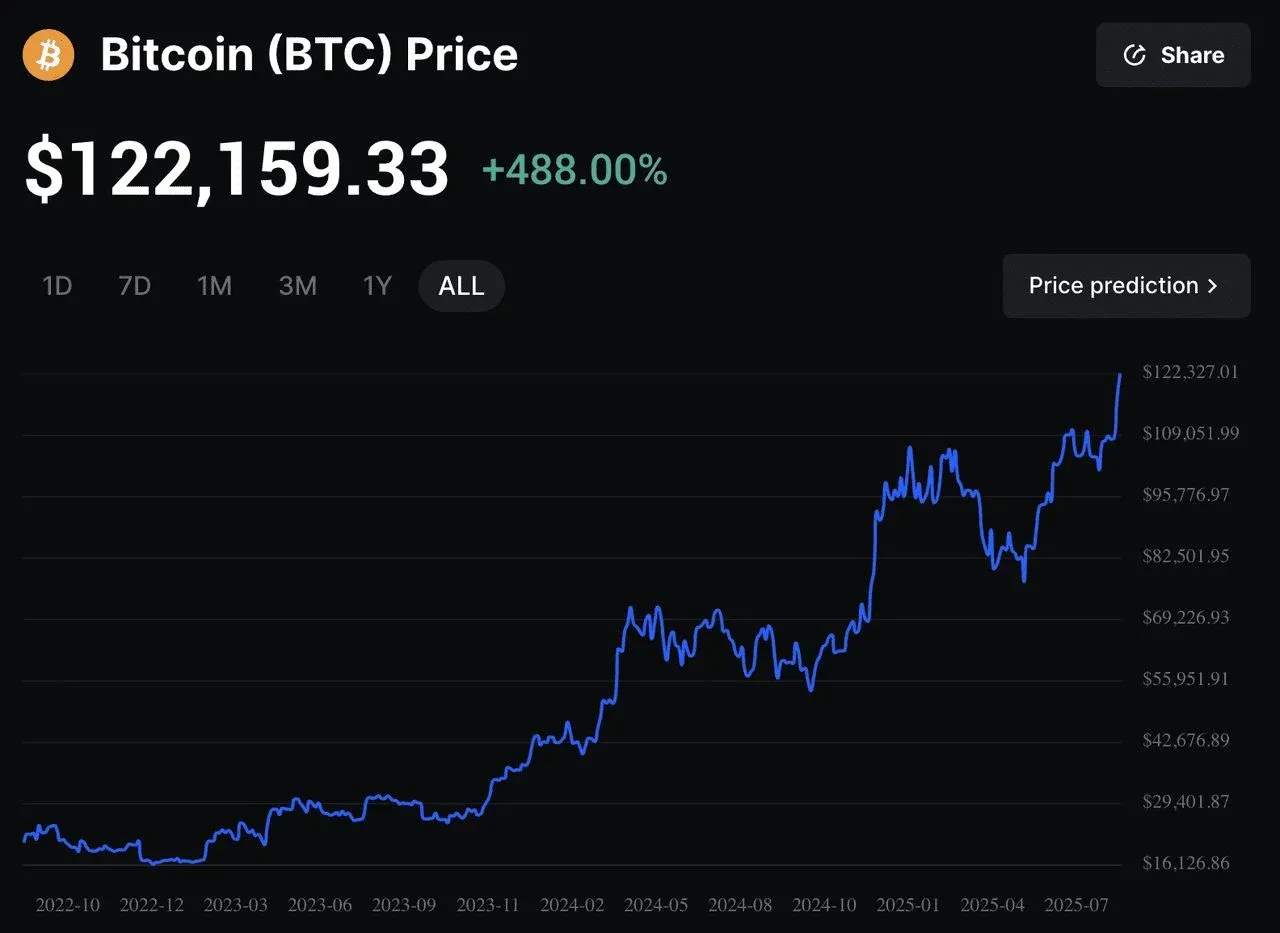
Bitcoin’s long‑term resilience is partly attributable to the founder’s permanent absence. Without a visible leader, the network avoids internal power struggles, acquisition threats, and targeted regulatory attacks—exactly the scenario envisioned by its decentralized design. The 1.1 million dormant BTC, valued at over US $134 billion in 2025, act as a hidden “stability buffer.” Should those coins ever move or be sold, the market would likely experience a sharp price impact; conversely, their continued dormancy makes supply more predictable, allowing institutions and investors to focus on technological development and real‑world use cases.
This relative supply stability underpins the optimism of analysts such as PlanB, who continue to forecast bullish long‑term price trajectories, projecting that tightening supply and growing institutional demand could push Bitcoin toward US $1 million per coin in the coming years. Beyond the numbers, Satoshi’s anonymity embodies Bitcoin’s core spirit as a borderless, leader‑less store of value—decentralized, censorship‑resistant, and driven by community consensus.
For deeper analysis of Bitcoin’s enigmatic founder, stay tuned to B
Related Reading
- 2025 Bitcoin Ownership: Satoshi, Institutions & Reserves
- Satoshi Nakamoto Net Worth: How Many Bitcoins Does He Own?
- Bitcoin’s Top Holder: Satoshi Nakamoto’s 1.1 Million Coins
💡 Register on Binance with referral code B2345 for the maximum trading fee discount. See Binance complete guide.



