
 Bitaigen Research
 In this article we systematically outline the concept of domestically‑originated public blockchains and how they differ from traditional public chains, and we carefully analyze the most influential projects currently active in China. By providing a clear framework and a professional perspective, readers can quickly grasp the technical characteristics, ecosystem status, and future trends of domestic chains, making it well worth a thorough read.
What Is a Domestic Public Blockchain? Which Domestic Public Blockchains Exist?
A domestic public blockchain refers to a public blockchain that is led, developed, and operated by a team based in China, with its headquarters located within mainland China, and that allows anyone to read data, send transactions, and participate in consensus.
Basic Concept of a Public Blockchain
Public Blockchain is a permission‑less network where anyone worldwide can read the ledger, submit transactions, and take part in the consensus process. Bitcoin is the archetypal public chain, featuring a high degree of decentralization and an immutable ledger. Public chains usually have a native token that rewards nodes for securing the network, but they often grapple with the “blockchain trilemma” of balancing security, decentralization, and scalability. From a regulatory standpoint, the decentralized nature of public chains makes effective oversight challenging.
Definition of a Domestic Public Blockchain
Literally, domestic public blockchain means a public chain led by Chinese entities. According to Baidu Baike, a domestic product must achieve a localization ratio of over 50 % in research and development, manufacturing, or key components. By that strict definition, truly domestic public chains are few, because many projects still borrow heavily from foreign technologies such as Bitcoin or Ethereum. In practice, the industry commonly defines a “domestic public blockchain” as a public chain whose research and development headquarters are located in China and whose core team consists primarily of Chinese nationals.
Representative Domestic Public Blockchain Projects
Below is a list of domestic public blockchains that have notable influence in the industry (data current as of the time of writing):
| Project | Alias | Launch Date | Approx. Market Cap (USD) | Total Supply | Founder |
|---|---|---|---|---|---|
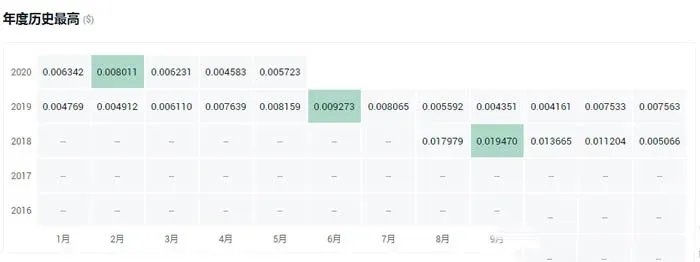
| **TRON** | TRON | 2017‑07‑01 | $1.06 billion | 99.21 billion tokens | Justin Sun |
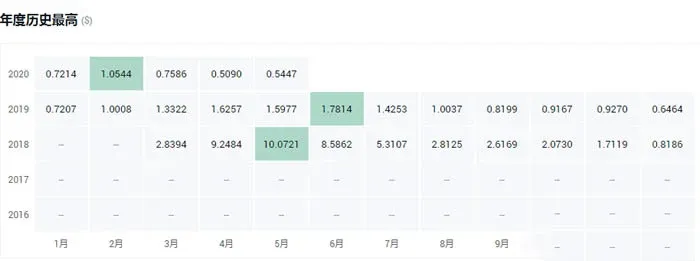
| **NEO** | NEO | 2014‑06‑01 | $660 million | 100 million tokens | Da Hongfei |
| **VeChain** | VeChain | 2017‑08‑17 | $460 million | 86.712 billion tokens | Sunny Lu et al. |
| **Ontology** | Ontology | 2018‑02‑26 | $390 million | 1 billion tokens | Li Jun |
| **Qtum** | Qtum | 2017‑03‑16 | $160 million | 100 million tokens | Patrick Dai |
1. TRON
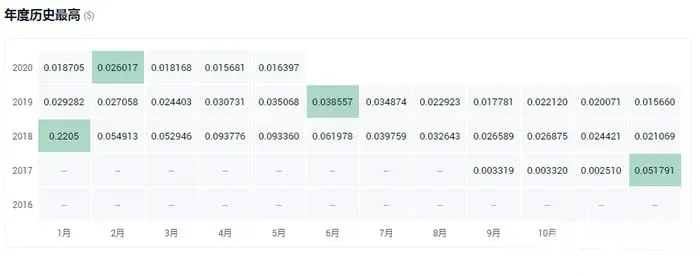
TRON, founded by Justin Sun, positions itself as a high‑throughput smart‑contract platform. Its number of DApps ranks just behind Ethereum and EOS, with a focus on gaming and entertainment, and its transactions‑per‑second (TPS) rate exceeds that of Ethereum.
2. NEO
NEO is often called the “Chinese Ethereum.” It introduced concepts such as smart contracts and digital identity, aiming to build a “smart economy.” Its ecosystem emphasizes asset digitization and enterprise‑grade applications.
3. VeChain
VeChain operates a globally distributed team of over 100 members, with offices in Shanghai, Singapore, Paris, Luxembourg, the United States, Tokyo, and Hong Kong. The company collaborates with universities such as Tsinghua, MIT, and Stanford on blockchain research, and holds a leading number of patents worldwide.
4. Ontology
Ontology proposes a distributed chain‑network architecture capable of reaching up to 5,000 TPS. Its “hyper‑converged chain‑network structure” enables cross‑chain and cross‑system collaboration, providing foundational infrastructure for heterogeneous blockchain ecosystems.
5. Qtum
Qtum combines Bitcoin’s UTXO model with Ethereum’s smart‑contract capabilities, offering a Value Transfer Protocol (VTP) that supports the development of decentralized applications across multiple industries.
Current Status and Challenges of Domestic Public Blockchains
Domestic public chains experienced rapid growth during 2017‑2018, followed by a market downturn. The main challenges include:
- Regulatory Environment: Authorities take a strict stance toward token offerings (ICOs), making it difficult for public‑chain projects to secure continuous capital.
- Ecosystem Maturity: Compared with mature global chains such as Ethereum and Polkadot, domestic projects lag in developer numbers, DApp ecosystems, and cross‑chain technology.
- Rate of Technological Innovation: Some projects still rely on foreign solutions for core functionalities, resulting in slower innovation cycles.
- Market Perception: Investor confidence in domestic public chains has been shaken by past bubble bursts, leading to pronounced token price volatility.
Nevertheless, several projects have pivoted toward consortium chains or blockchain‑as‑a‑service offerings, leveraging their existing technical expertise to provide supply‑chain, finance, and other industry solutions, thereby creating new business models.
Outlook
Domestic public blockchains remain in an exploratory phase; the completeness of their ecosystems, breakthroughs in technology, and regulatory compliance will be decisive for the next stage. With continued national attention to blockchain technology and the support of new‑infrastructure policies, Chinese‑originated chains are poised to make progress in enterprise‑level applications and cross‑chain interoperability. If they can strike a balance among security, scalability, and compliance, there remains growth potential for domestic public blockchains.
The above constitutes a full analysis of “What is a domestic public chain? Which domestic public chains exist?” For more blockchain news, stay tuned to Bitaigen’s future reports.

*Note: Crypto gains may be subject to taxation according to the taxpayer’s local jurisdiction. Always consult a qualified tax professional for guidance.*
💡 Register on Binance with referral code B2345 for the maximum trading fee discount. See Binance complete guide.



