
 Bitaigen Research
 When choosing a transfer network, you will often encounter the two protocols TRC‑20 and ERC‑20.
TRC‑20 is built on the TRON chain, offering fast transfer speed and low fees; ERC‑20 is built on the Ethereum chain, where transfers are relatively slower and more costly. The two also differ in security level, address format, and degree of network congestion.
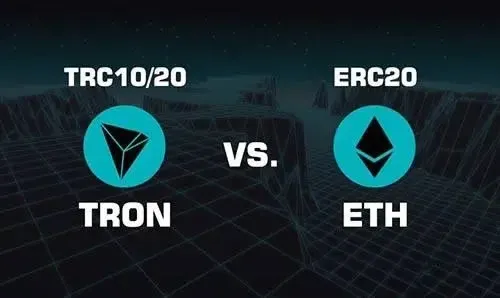
In this article we systematically outline the core differences between TRC‑20 and ERC‑20, helping you quickly decide when to use the TRON or Ethereum network and avoid the hassle of high fees and network congestion. Understanding the technical principles behind each protocol and the practical operational points, the subsequent sections will provide a complete comparison and chain‑selection recommendations, so it is worth reading carefully.
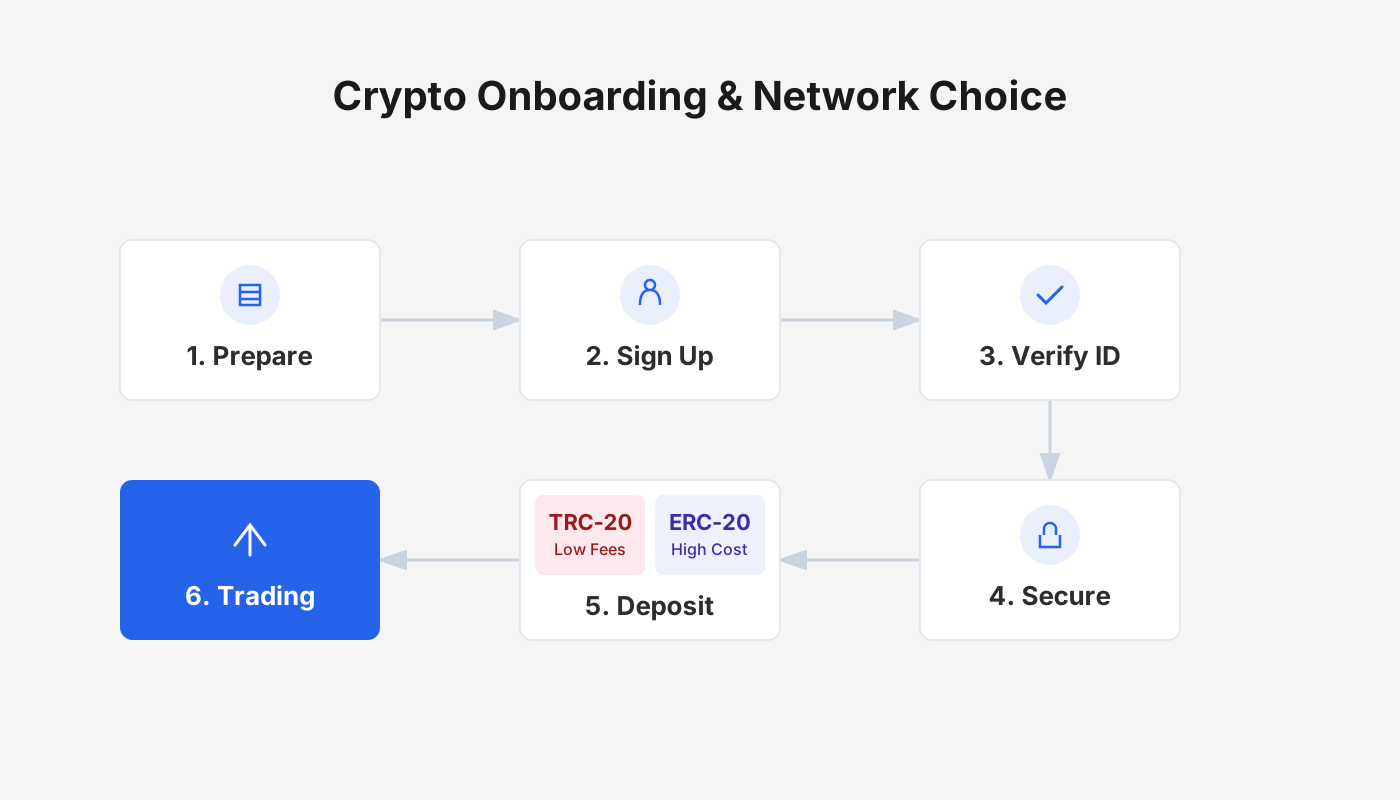
Token Protocol Standards
Cryptocurrencies usually reside on a specific blockchain: Bitcoin runs on the Bitcoin chain, Ether runs on the Ethereum chain.
Issuing tokens on these chains must follow the corresponding protocol standards. For example, tokens issued on Ethereum must comply with the ERC‑20 (Ethereum Request for Comment) specification; on the TRON chain the equivalent is TRC‑20.
USDT (Tether) is the most widely used stablecoin and has been issued on multiple chains such as Bitcoin, Ethereum, and TRON. Each chain corresponds to a different protocol, so when transferring you need to select the appropriate network type (e.g., Omni, ERC‑20, TRC‑20).
Below we introduce the three most common protocols.
Omni (Bitcoin Chain)
Omni is a protocol on the Bitcoin blockchain; Tether first issued USDT on this protocol in 2014.
- Transfer fee: usually > $10 USD (varies slightly between exchanges)
- Minimum transfer amount: highest among the three
- Arrival time: slow, ranging from several minutes to a few days
- Security: highest, backed by the security of the Bitcoin network
- Address prefix: `1`, `3`
Suitable for large‑value transfers because it offers the highest security.
ERC‑20 (Ethereum Chain)
ERC‑20 is the token standard on Ethereum; in 2018 Tether migrated USDT to Ethereum, significantly improving transfer speed.
- Transfer fee (example: Binance): about $10 USDT (fees differ across exchanges)
- Minimum transfer amount (example: Binance): about 50 USDT (varies across exchanges)
- Arrival time: normal, a few minutes to several tens of minutes; may be delayed during network congestion
- Security: moderate, subject to the state of the Ethereum network
- Address prefix: `0x`
TRC‑20 (TRON Chain)
TRC‑20 is the token protocol on the TRON blockchain. Due to congestion and rising fees on Ethereum, Tether launched USDT on TRON in April 2019.
- Transfer fee (example: Binance): about $1 USDT (some exchanges waive the fee)
- Minimum transfer amount (example: Binance): about 10 USDT (varies across exchanges)
- Arrival time: extremely fast, often just a few seconds
- Security: slightly lower than Omni and ERC‑20
- Address prefix: `Tx`
Because of the low cost and high speed, TRC‑20 has become the preferred method for most users to transfer USDT.
Selection Guidance
- Fees and speed: If you prioritize low cost and rapid transfers, give TRC‑20 priority; if you need the highest level of security, consider Omni.
- Address matching: Each protocol uses a distinct address format; always verify that the recipient address matches the intended chain.
- Cross‑chain limitations: Assets on different chains cannot be transferred directly to one another; you must use an exchange or a cross‑chain bridge to convert them.
Note for U.S. users: When the article references Binance, be aware that U.S. residents must use Binance.US (the separate platform that complies with U.S. regulations) rather than the global Binance site.
Conclusion
TRC‑20, ERC‑20, and Omni are essentially the same USDT stablecoin issued on different blockchains—TRON, Ethereum, and Bitcoin, respectively. They differ in fees, arrival speed, address format, and security, so users should clearly identify the protocol of the chosen chain before initiating a transfer to avoid loss of funds or failed transactions.
For more detailed information on the TRC‑20 and ERC‑20 protocols, stay tuned to Bitaigen’s (比特根) upcoming specialized articles.
*Crypto gains may be taxable in your local jurisdiction; please consult a tax professional to understand your obligations.*
Related Reading
- Opinion Protocol Review: Decentralized Prediction Market
- BEP-20 Address Guide: Identify & Compare ERC-20, TRC-20
- What Is ERC‑20? Complete Guide to the Ethereum Token Standard
💡 Register on Binance with referral code B2345 for the maximum trading fee discount. See Binance complete guide.



