
 Bitaigen Research
 In this article we outline the core trends shaping the future of the crypto market, with a focus on the evolution of stablecoins as a global payments layer, the maturation of regulatory frameworks, and the positioning of emerging on‑chain assets. Through deep analysis we aim to provide a clear view of where capital is flowing.
Stablecoin Infrastructure Consolidates Its Position as a Global Payments Layer
In recent years, stablecoins have progressed from being merely transactional tools within blockchains to becoming a core component of on‑chain payment systems. Over the past 18 months alone, USD‑pegged stablecoins such as USDT and USDC have seen their combined market capitalization exceed $300 billion, underscoring a rapid expansion trajectory.
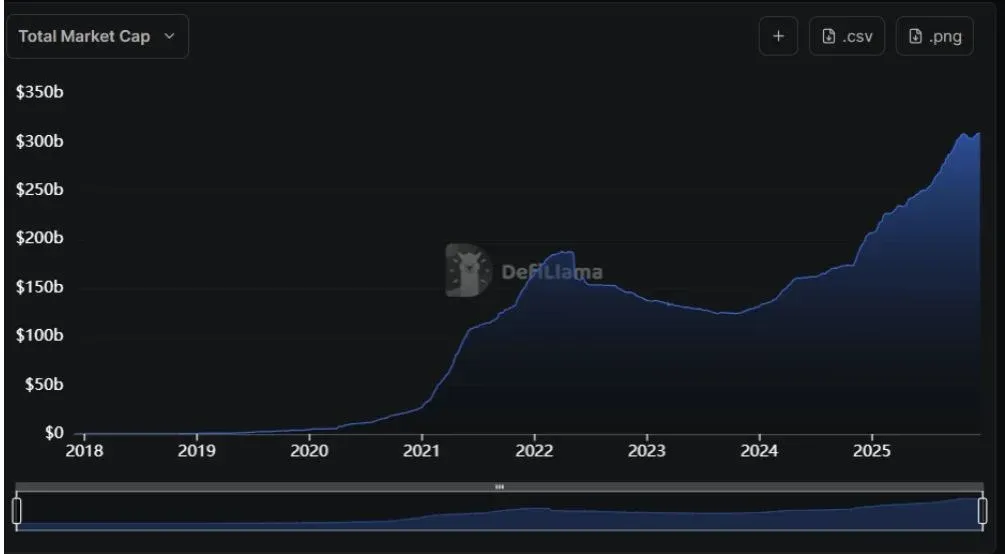
A key driver of this momentum is the increasingly clear regulatory environment in the United States. Since the formal rollout of the “Genius Act” in mid‑2025, detailed guidance has been issued regarding stablecoin reserves, issuance, and compliance requirements. These rules have significantly reduced systemic risk and boosted confidence among institutional investors. Consequently, banks and traditional financial institutions can now enter the stablecoin market under a more transparent legal framework.
On the practical side, stablecoins offer fast settlement, low fees, and seamless cross‑border operations, giving them a competitive edge over legacy payment networks. Issuers typically back the tokens with reserves linked to short‑term government securities, which not only helps maintain price stability but also generates modest yields, enhancing the overall economic appeal.
U.S. policymakers also view stablecoins as a tool for preserving the global dominance of the U.S. dollar, especially in regions where the financial system is relatively under‑developed. At the same time, stablecoins pegged to the euro and to emerging‑market currencies are being introduced gradually, aiming to build a more neutral global payments layer.
For investors, the focus is shifting away from the price swing of any single token toward the broader ecosystem that includes issuers, blockchain platforms, custodial services, and payment channels. Deep involvement from large enterprises such as Circle and PayPal further signals that stablecoin infrastructure will remain one of the most important growth engines in the crypto space throughout 2026.
Tokenization of Real‑World Assets Attracts Substantial Institutional Capital
Tokenization of real‑world assets (Real World Assets, RWA) is moving from proof‑of‑concept to large‑scale deployment, drawing direct participation from several top‑tier financial institutions. BlackRock, via its BUIDL Fund that manages roughly $2 billion in assets, was an early mover; Franklin Templeton and Goldman Sachs have followed suit with tokenized bond and fund products.
By the end of 2025, the cumulative on‑chain value of risk‑weighted assets (RWA) had surpassed $30 billion, concentrated mainly in private credit and products backed by U.S. Treasury securities. These assets offer stable returns, efficient settlement, and a marked reduction in counter‑party risk—qualities that align well with institutional investors’ dual demand for safety and liquidity.
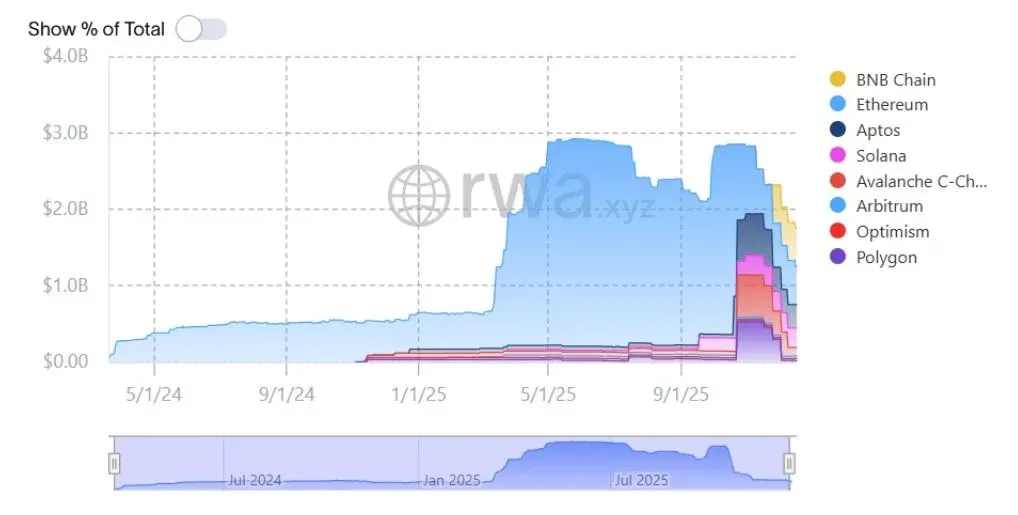
The scope of tokenization is expanding to include equities, ETFs, and other traditional financial instruments, with particularly vibrant activity outside the United States. The need for 24/7 trading, programmable assets, and global accessibility is prompting exchanges and fintech firms to increase investment in RWA infrastructure.
Evolving regulatory perspectives and the gradual acceptance of blockchain technology within conventional finance are laying a solid institutional foundation for further RWA growth. As compliance frameworks continue to mature, tokenized real‑world assets are being regarded as one of the most stable and attractive crypto investment avenues in 2026, acting as a bridge between legacy finance and the blockchain ecosystem.
Fueled by Institutional Inflows, Bitcoin Is Poised for New Records
The drivers behind Bitcoin’s growth are undergoing a structural shift. Historically, price moves were largely dictated by halving events, leverage dynamics, and retail speculation. In the current phase, long‑term institutional capital is emerging as the dominant force.
Historical data show that Bitcoin’s price typically peaks 12–18 months after a halving. However, the 2024–2025 cycle displayed a different pattern: since the low point in 2022, Bitcoin has appreciated by more than 600 %, without the sharp corrections that usually accompany the end of a cycle.
This behavior has led some analysts to argue that the traditional four‑year cycle model is losing relevance. Factors that once triggered major market swings—such as supply shocks from halvings or high leverage usage—are no longer the primary movers.
The approval of spot Bitcoin exchange‑traded funds (ETFs) beginning in 2024 opened a mainstream gateway for mutual funds, asset managers, and institutional investors.
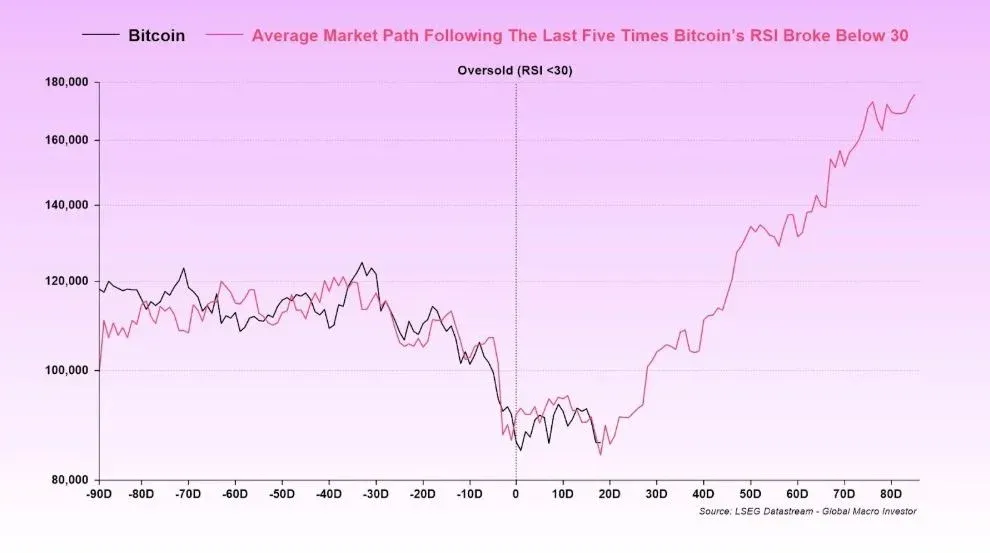
Looking ahead to 2026, with a clearer regulatory landscape, several large U.S. financial institutions are expected to increase their Bitcoin allocations. At the same time, a backdrop of slowing global economic growth has many market participants anticipating a Federal Reserve rate cut, which would boost global liquidity and support scarce risk assets.
From a long‑term perspective, Bitcoin is increasingly being viewed as a digital reserve asset capable of hedging currency risk and the impacts of expansive fiscal policies. Macro‑economic conditions, supply scarcity, and the steady flow of institutional money together provide a solid foundation for Bitcoin to break past traditional cycle limits and reach new highs in 2026.
Conclusion
2026 marks a stage where the cryptocurrency market moves toward greater maturity. Ongoing inflows of institutional capital combined with increasingly robust regulatory frameworks are set to become the core engines of sustained growth. Bitcoin solidifies its role as a digital reserve asset, while stablecoins and tokenized real‑world assets continue to expand the functional and financial breadth of the ecosystem.
*Note for U.S. readers: when accessing cryptocurrency services, be sure to use platforms that comply with U.S. regulations, such as Binance.US, rather than the global Binance site.*
Related Reading
- RWA Tokenization: Unlock Liquidity on Blockchain
- Stablecoin Asset Management, Money‑Market Links & SEC Risks
- Tokenized Stocks: Unlock US Equity Access with Stablecoins
💡 Register on Binance with referral code B2345 for the maximum trading fee discount. See Binance complete guide.
⚠️ Risk Disclaimer: Crypto prices are highly volatile. This is not investment advice.



