
 Bitaigen Research
 ETF vs. Ethereum: Clarifying Two Fundamentally Different Products
ETF and Ethereum are often mistakenly lumped together as if they belong to the same category, but in reality they are completely distinct at a structural level. An ETF (Exchange‑Traded Fund) is an investment fund that is listed on a stock exchange; investors can buy and sell shares of the fund to gain indirect exposure to equities, bonds, commodities, real estate, or even crypto assets. Ethereum, on the other hand, is a decentralized platform built on blockchain technology, and its native token ETH is used to execute smart contracts and transfer value on‑chain. The following section first draws a clear line between these two concepts, and then gradually unfolds the associated risks and the ways you can trade them.
In this article we break down the essential differences between ETFs and Ethereum, uncover the key points of divergence in investment pathways and risk profiles, and help readers dispel common misconceptions. By the end you will be better equipped to decide which approach fits your own asset‑allocation strategy. The piece also includes a practical guide to trading channels, so it is worth a careful read.
Is an ETF the Same as Ethereum?
- Conceptual distinction
ETFs belong to the realm of traditional finance. Their purpose is to replicate the performance of a specific index or asset class, allowing investors to share in the returns without actually holding the underlying securities. By contrast, Ethereum is a public blockchain that provides an environment for executing smart contracts; ETH, the token that circulates on the chain, derives its price entirely from market supply and demand.
- How they operate
When you purchase an ETF, you are actually holding a share issued by the fund manager. The manager then allocates capital according to a predefined investment strategy. If the fund is focused on crypto—such as an Ethereum‑linked ETF—investors gain indirect exposure to ETH and can benefit from price appreciation, but they do not own ETH directly.
- Trading characteristics
Much like ordinary stocks, an ETF’s price fluctuates throughout the trading day as buy and sell orders are processed. Conventional ETFs typically track equity indices, industry sectors, or commodities. Crypto‑focused ETFs, however, are designed to follow the price movement of one or more digital assets, offering a more straightforward entry point for investors who are uncomfortable handling digital wallets.
Do ETFs Carry Risk?
- Market volatility
While diversification across many holdings can blunt the impact of any single asset’s swing, the underlying cryptocurrency market is notoriously volatile. Regulatory announcements, media sentiment, or technical incidents can cause ETH’s price to swing sharply within minutes, which in turn drags the net asset value (NAV) of a related ETF up or down.
- Regulatory uncertainty
Jurisdictions around the world adopt markedly different stances toward digital assets, and the regulatory framework is still evolving. Countries that tighten rules may restrict the trading of crypto‑linked funds or diminish their liquidity, thereby exerting pressure on the value of investors’ positions.
- Operational risk
Compared with holding the token in a personal wallet, an ETF reduces technical barriers but introduces the risk of fund‑manager errors, system outages, or custodial mishaps. Any misstep on the part of the fund’s administrator could affect the interests of shareholders.
Where Can You Trade an Ethereum ETF?
Ethereum‑related ETFs fall into two broad categories: futures‑based ETFs that track Ethereum futures contracts, and spot ETFs that aim to mirror the real‑time price of ETH. As of now, mainland China does not provide a domestic trading venue for either type, and Hong Kong’s crypto‑ETF products impose strict eligibility requirements, making direct participation difficult for mainland investors. If you wish to acquire an Ethereum ETF on overseas exchanges such as those in the United States or Canada, the two most common routes are:
1. Dual‑execution (re‑delegated) orders
Investors who already hold an account with an overseas broker that offers Bitcoin‑futures ETFs can use a domestic brokerage to submit a “dual‑execution” request. The domestic broker forwards the trade instruction to the foreign institution, which carries out the transaction on your behalf. This method usually entails higher commissions, but it can simplify cross‑border tax reporting (often handled in USD) and typically includes dedicated “one‑on‑one” customer support.
2. Direct use of an overseas brokerage platform
Opening an account directly with an overseas securities firm allows you to log into its trading system and place orders yourself. Brokers that commonly support crypto‑related ETFs include:
- Futu Securities / Futu “NiuNiu” platform
- Firstrade
- IC Markets
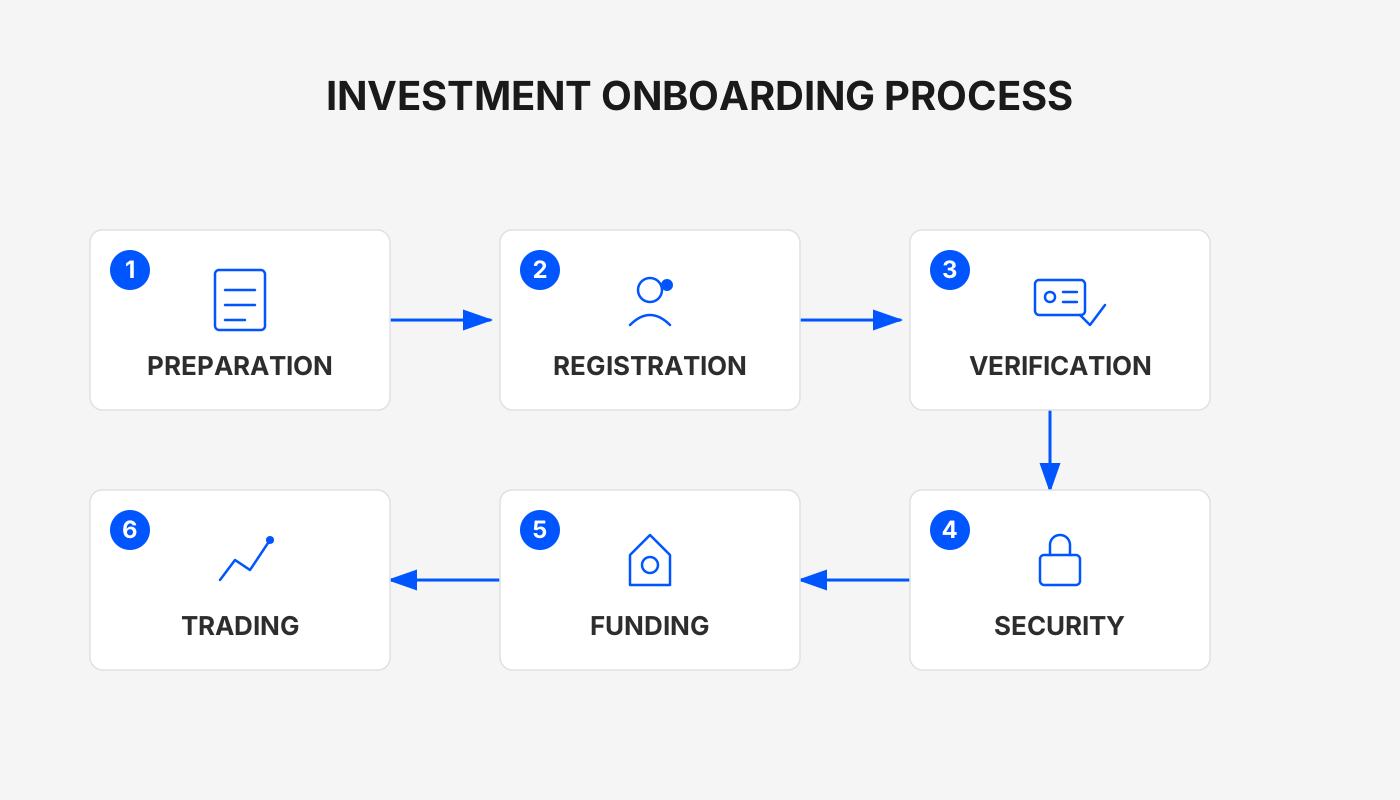
Compared with dual‑execution, a direct account involves a more elaborate onboarding process and may require SEPA or SWIFT transfers for fiat funding in USD or other major currencies. However, the ongoing transaction costs are usually lower, making it attractive for investors with a longer horizon.
Note for U.S. residents: When dealing with crypto assets outside of ETFs, you must use platforms that are registered in the United States, such as Binance.US, rather than the global Binance site.
Tax reminder: Gains realized from cryptocurrency or crypto‑linked ETF transactions may be taxable in your jurisdiction. Be sure to consult a local tax professional to understand reporting obligations.
---
In summary, ETFs provide a relatively streamlined and compliance‑friendly pathway for investors who want exposure to the cryptocurrency sector without the hassle of managing private wallets. Nevertheless, an ETF is not the same as owning Ethereum outright; it still carries market‑driven price swings, regulatory shifts, and fund‑management operational risks. Before committing capital, align the product with your personal investment objectives, risk tolerance, and the practical considerations of cost, convenience, and jurisdiction‑specific tax treatment.
Related Reading
- Ethereum ETF 2026: Regulatory Timeline & Top Tokens
- Bitcoin & Ethereum Falter in Final Crypto Deleveraging Phase
- Earn Passive Income with Bitcoin: 3 Proven Strategies
💡 Register on Binance with referral code B2345 for the maximum trading fee discount. See Binance complete guide.



