
 Bitaigen Research
 It is well‑known that cryptocurrency wallets are digital tools that let you quickly store, send, and receive crypto assets. They come in software, hardware, and paper forms, and use cryptographic techniques to keep private keys safe.
The core of protecting a crypto wallet lies in using a hardware wallet, setting a strong password, enabling two‑factor authentication (2FA), and securely backing up the recovery seed phrase; popular wallets include Ledger, Trezor, MetaMask, Trust Wallet, Exodus, and others.

Our Bitaigen editorial team has compiled the key security points for crypto wallets and a rundown of mainstream products, helping both beginners and more experienced users quickly identify risks and build protection. The article walks through the offline advantages of hardware wallets, best practices for passwords and 2FA, and pairs each recommendation with practical examples, guiding you to avoid common mistakes in everyday use. To see the full protection plan, keep reading.
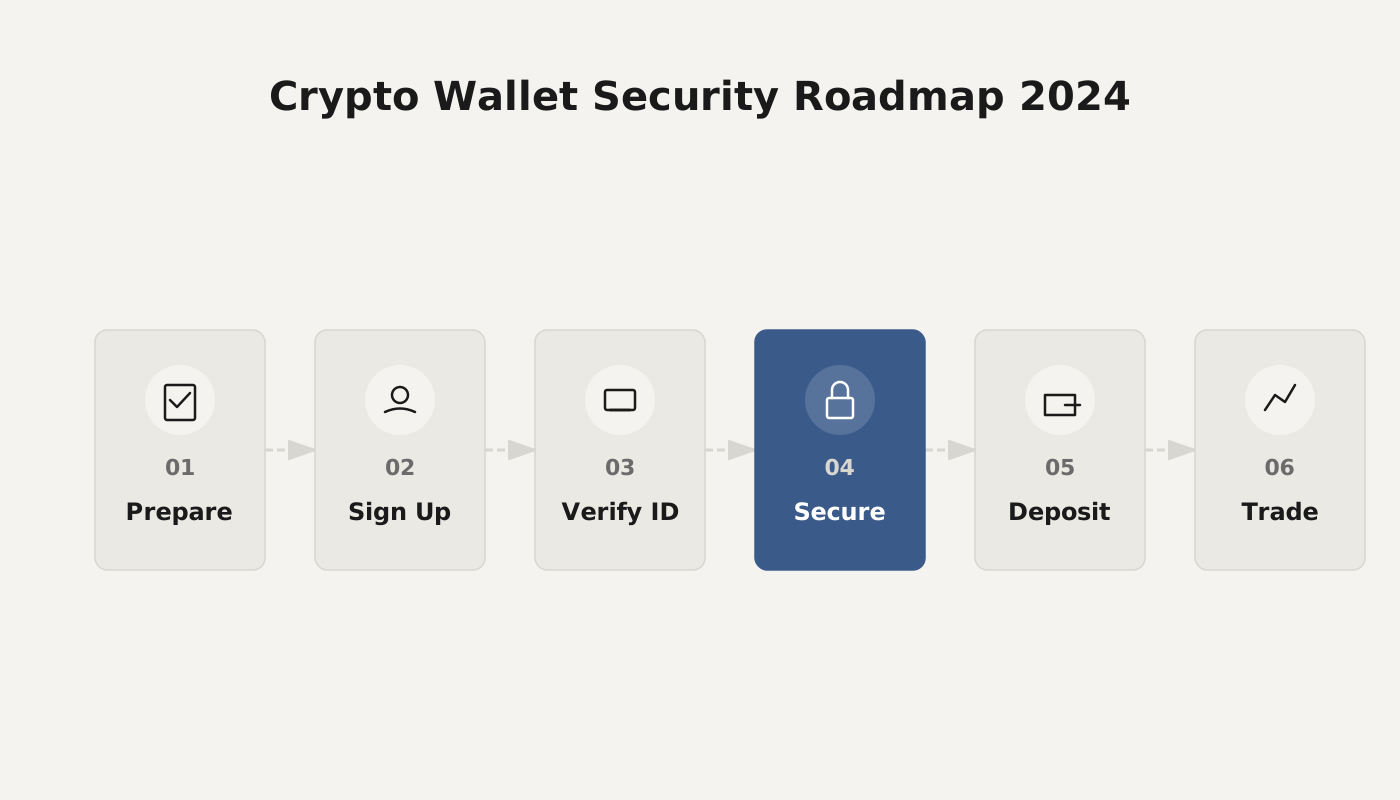
How to Protect Your Crypto Wallet?
1. Choose a reputable platform
Select a wallet provider or exchange with a solid reputation and a proven security track record, ensuring that the environment where your assets are stored is trustworthy.
2. Use a hardware wallet
A hardware wallet keeps private keys offline on a physical device, so even if your computer is compromised the keys remain protected.
3. Set a strong password
Create a unique, strong password for your wallet that includes uppercase and lowercase letters, numbers, and special symbols to raise the difficulty of brute‑force attacks.
4. Enable two‑factor authentication (2FA)
Activating 2FA adds an extra verification layer; you will need to enter a one‑time code when logging in, which significantly reduces the risk of theft.
- Note: Never share your 2FA code, one‑time password (OTP), or any other confidential verification code with anyone. Legitimate exchanges will never request this information proactively.
5. Change passwords regularly
Periodically update your password and avoid reusing it on other platforms to further lower the chance of unauthorized access.
6. Avoid public networks
Public Wi‑Fi can be sniffed by attackers. Whenever possible, operate your wallet or conduct transactions on a secure, trusted network.
7. Guard against phishing attacks
Always verify the source before clicking links or replying to emails, as phishing sites aim to steal wallet credentials.
8. Store your recovery seed phrase safely
The seed phrase is the sole credential for restoring a wallet. Keep it in a location only you can access and never store it online.
Which Mainstream Crypto Wallets Are Available?
1. Ledger Nano S / Ledger Nano X
Flagship hardware wallets that store private keys offline, support multiple blockchains, and work with most DeFi platforms.
2. Trezor One / Trezor Model T
Another leading hardware‑wallet line offering offline key storage, a user‑friendly interface, and a range of security features.
3. MetaMask
A browser‑based wallet (also available on mobile) focused on Ethereum and ERC‑20/ ERC‑721 tokens, making direct interaction with dApps straightforward.

- Category: Financial Services
- Size: 284 MB
- Language: Simplified Chinese (original) – available in many languages including English
- Last updated: 2023‑04‑21
4. Trust Wallet
A mobile wallet for iOS and Android that supports Ethereum, BSC, and other chains, and includes an integrated dApp browser.
- Category: Financial Services
- Size: 185.83 MB
- Language: Simplified Chinese (original) – multilingual support available
- Last updated: 2025‑12‑13
5. Exodus
A software wallet available on desktop and mobile, featuring an intuitive UI and built‑in crypto‑to‑crypto exchange functionality.
6. My Ether Wallet (MEW)
A web‑based Ethereum wallet that allows you to create, import, and manage addresses, and can be linked with Ledger, Trezor, and other hardware devices.
7. Electrum
A lightweight desktop wallet designed specifically for Bitcoin, offering multi‑signature support and hardware‑wallet integration for added security.
8. Atomic Wallet
A cross‑platform desktop/mobile wallet covering many blockchains, with built‑in exchange, staking, and even credit‑card purchase options.
By applying the security measures outlined above and familiarizing yourself with the mainstream wallets, you can better safeguard your digital assets within the cryptocurrency ecosystem. When choosing a wallet, weigh security features, supported chains, user experience, and device compatibility, and always download from official sources to avoid malicious software infiltration.
Related Reading
- Add HUSD & USDT to HECO Wallets – MetaMask & Mobile
- Top 10 Crypto Wallets 2024: Multi‑Chain & Custodial
- MetaMask Beginner Guide: Install & Use the Fox Wallet
💡 Register on Binance with referral code B2345 for the maximum trading fee discount. See Binance complete guide.



