
 Bitaigen Research
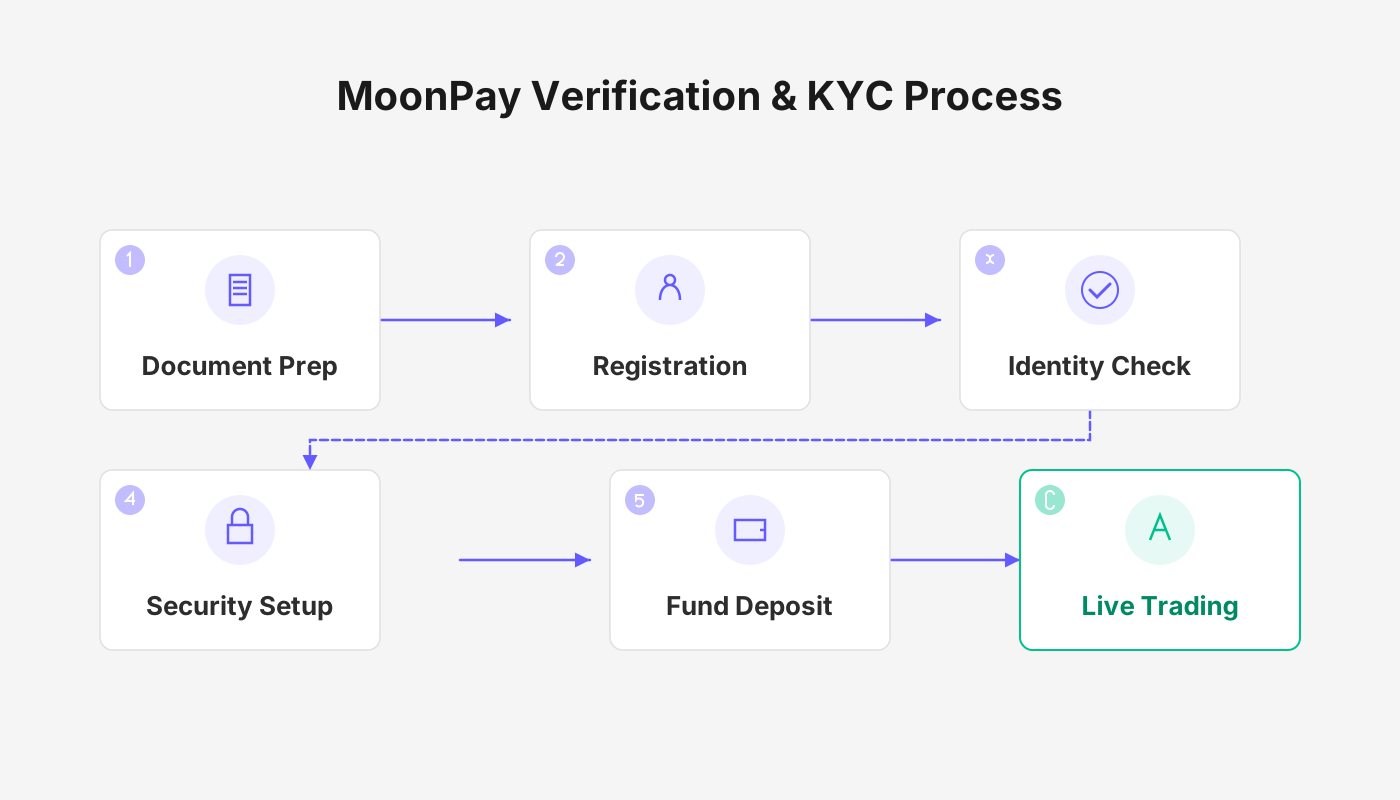
 Before using MoonPay, users must complete real‑name verification, and depending on the transaction amount and type, an additional KYC (Know Your Customer) identity check is performed and approved by the platform to meet global compliance requirements.
In this article we outline MoonPay’s real‑name verification and KYC procedures, explain why the platform must verify identities, the review requirements for different transaction scenarios, and the impact on user security and compliance, helping you quickly grasp the essential steps before use. Subsequent sections also detail the specific operational steps, making it worth a thorough read.
Does MoonPay Require Real‑Name Verification?
MoonPay requires users to complete real‑name verification, and the process is relatively straightforward. Users simply provide their name, email address, country of residence, and select a crypto wallet to link. After confirming the details, they submit the information, and the review is typically completed within 24 hours.
- Registration on Moonbank and completion of real‑name verification are required before payment functionality can be activated.
- The purpose of real‑name verification is to protect account security, comply with regulatory requirements, and prevent fraud.
- All user information is stored encrypted, and the platform adheres to global compliance standards to safeguard privacy and security.
MoonPay supports a variety of payment methods, including credit cards, debit cards, local bank transfers (e.g., SEPA, SWIFT), and contactless payments, covering more than 160 countries and regions, and has been trusted by over 300 leading wallets, websites, and applications.
Does MoonPay Require KYC?
MoonPay applies varying levels of KYC (Know Your Customer) scrutiny depending on the transaction scenario:
- Individual users – When purchasing NFTs via MoonPay Checkout, a streamlined KYC process can be used, allowing quick login with Google or Apple accounts and submission of the required identity documents.
- High‑risk or large‑value transactions – The platform will require a more rigorous KYC, including uploading government‑issued ID, proof of address, and other documents to satisfy regulatory requirements.
The platform emphasizes the use of blockchain encryption technologies to secure transactions, while users retain control of their private keys, reducing the risk of unauthorized access and asset theft.
Additional Key Information
- Coverage: Over 160 countries, supporting more than 100 cryptocurrencies and NFTs.
- Partners: Collaborations with industry leaders such as Trust Wallet, OpenSea, Bybit, etc., aiming to become a gateway to Web3 and decentralized applications (dApps).
- Usage tip: Before using the service, be sure to understand local regulations, confirm the legality of transactions, and securely store your identity verification documents to ensure asset safety.
Related Reading
- USDC vs USDT: Key Differences, Compliance, and Security Explained
- How to Safely Buy USDT with Fiat: Step‑by‑Step Guide
- Coineal Exchange Review 2021: Volume, KYC & Platform
💡 Register on Binance with referral code B2345 for the maximum trading fee discount. See Binance complete guide.



