
 Bitaigen Research
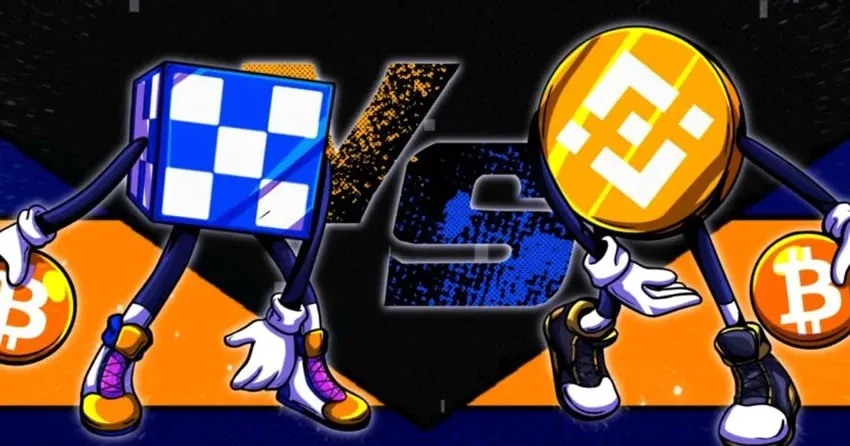
 Binance and OKX are actively developing and are about to launch tokenized U.S. stock products, aiming to let global users trade tokenized shares of Apple, Tesla and other U.S. equities directly on the blockchain.
We have compiled the recent moves of Binance and OKX in the tokenized U.S. stock space, explaining how these solutions break down geographic and time barriers so that investors worldwide can capture U.S. stock price movements on‑chain. The article also compares the implementation paths of existing platforms, helping you quickly grasp the latest industry pulse—worth a careful read.
Latest Developments in Tokenized U.S. Stock Trading
According to *The Information*, Binance and OKX—among the largest cryptocurrency exchanges—are accelerating research on, or have already launched, tokenized U.S. stock schemes. The model issues and trades tokens on a blockchain, allowing users to gain exposure to U.S. stock price swings without stepping into a traditional brokerage.
Note for U.S. residents: Binance’s global platform is not available in the United States; U.S. users must access Binance.US for any related services.
Platforms That Already Offer Stock Tokens
- Kraken – Provides a range of U.S. stock tokens through its *xStocks* platform.
- Bitget – Has launched multiple tokenized products representing American companies.
- Jupiter (a decentralized platform) – Supports cross‑chain trading of stock tokens.
The stock tokens on these platforms represent shares of companies such as Apple, NVIDIA, and others, enabling users to buy or sell them on overseas crypto exchanges even when the U.S. markets are closed.
Core Advantages of Tokenization
- Cross‑border Access – Gives investors who cannot open a U.S. brokerage account a gateway into the U.S. equity market.
- Pseudonymous Trading – Holding tokens in a crypto wallet preserves user privacy without the need for KYC‑heavy traditional accounts.
- 24/7 Liquidity – Removes the constraints of regular market hours, allowing continuous trading around the clock.
Market Demand and Regulatory Context
Currently, overseas investors face legal hurdles, cumbersome account‑opening procedures, and limited channels to reach U.S. stock exchanges. Tokenized U.S. stocks are viewed as an effective remedy for these pain points; holding the corresponding token grants exposure to the economic value of assets like Apple or Tesla.
Regulators in various jurisdictions are still shaping guidance on how such tokens fit within existing securities laws. Participants must ensure compliance with anti‑money‑laundering (AML) and know‑your‑customer (KYC) requirements, and fiat on‑ramps typically rely on USD transfers via SEPA or SWIFT for non‑U.S. users.
Roles of Ecosystem Participants
- Ondo Finance – Focuses on tokenizing traditional financial assets, offering underlying asset collateralisation and a compliance framework.
- Kraken – Through *xStocks*, explores a stock‑token model tailored for crypto users, contributing technical standards and regulatory solutions.
These projects supply the critical technology and legal scaffolding that enable Binance and OKX to deploy tokenized U.S. stock products on a global scale.
*Disclaimer: Cryptocurrency transactions may generate taxable events in your jurisdiction. Please consult a tax professional to understand your local obligations.*
Related Reading
- Understanding TVL in DeFi: What It Means & How to Get Started
- XRPL EVM: Ethereum-Compatible Sidechain for DeFi, NFTs
- CELO Token Analysis: Technology, Ecosystem & Governance Insights
💡 Register on Binance with referral code B2345 for the maximum trading fee discount. See Binance complete guide.
⚠️ Risk Disclaimer: Crypto prices are highly volatile. This is not investment advice.



