
 Bitaigen Research
 We have compiled the core categories of wallets for Bitcoin beginners in this article, providing a detailed comparison of the user experience, asset security, and fee structures of centralized versus decentralized solutions, and highlighting the key features of several mainstream wallets to help you quickly pinpoint the tool that best fits your needs. The following sections will expand on each topic, so please continue reading.
Basic Classification of Bitcoin Wallets
Before using Bitcoin, it is helpful to understand the two main types of wallets.
- Centralized wallets: Require registration with a phone number, email, or similar and must complete identity verification (KYC) and facial‑recognition steps.
- Decentralized wallets: Users keep the private key themselves, and full ownership of the assets resides with the individual.
Both categories have strengths and limitations, which we will discuss separately.
Features and Use Cases of Centralized Wallets
The operating model of a centralized wallet resembles that of a traditional bank. When registering, users must provide a mobile number or email address and complete KYC (Know Your Customer) verification to satisfy anti‑money‑laundering and other regulatory requirements.
- Asset custody: Digital assets such as Bitcoin are actually held by the exchange platform (e.g., Binance, OKX). Users move funds in and out through their exchange account.
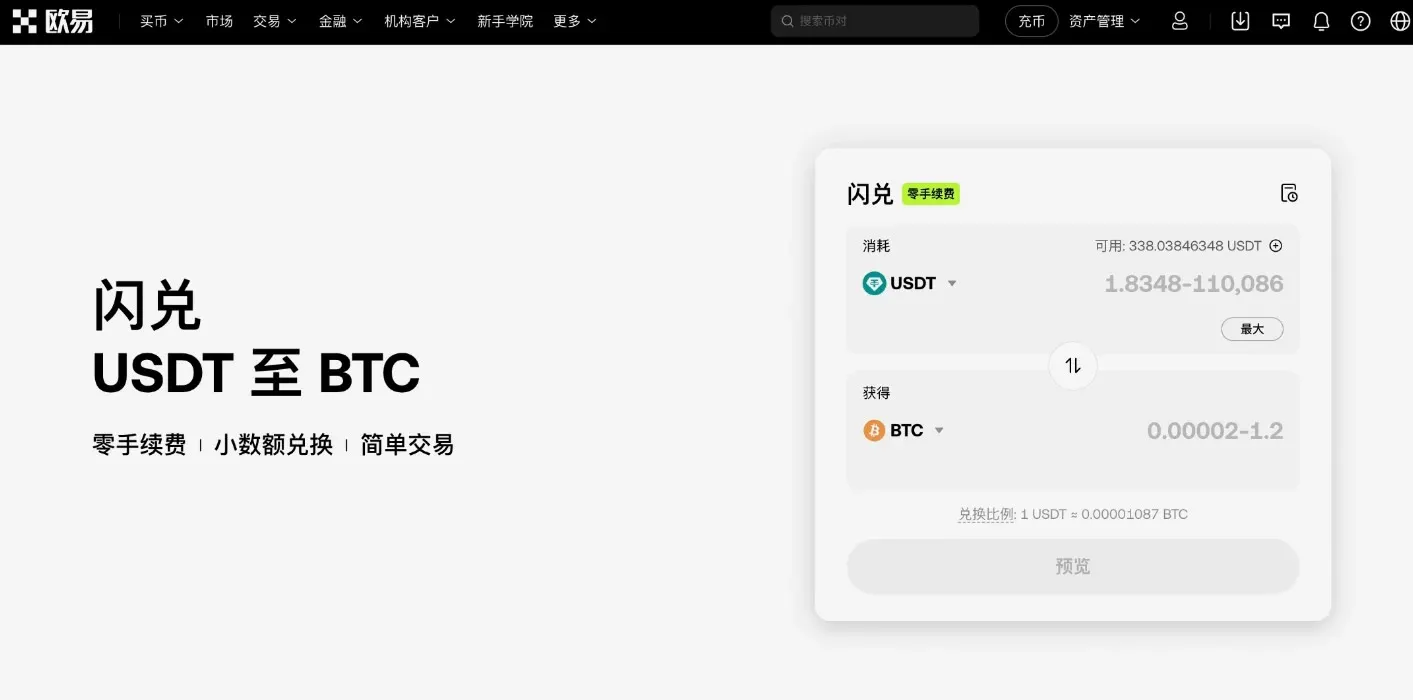
- Low‑fee swapping: Within the platform you can instantly exchange between many cryptocurrencies, with fees typically around one‑tenth of a percent of the trade amount.
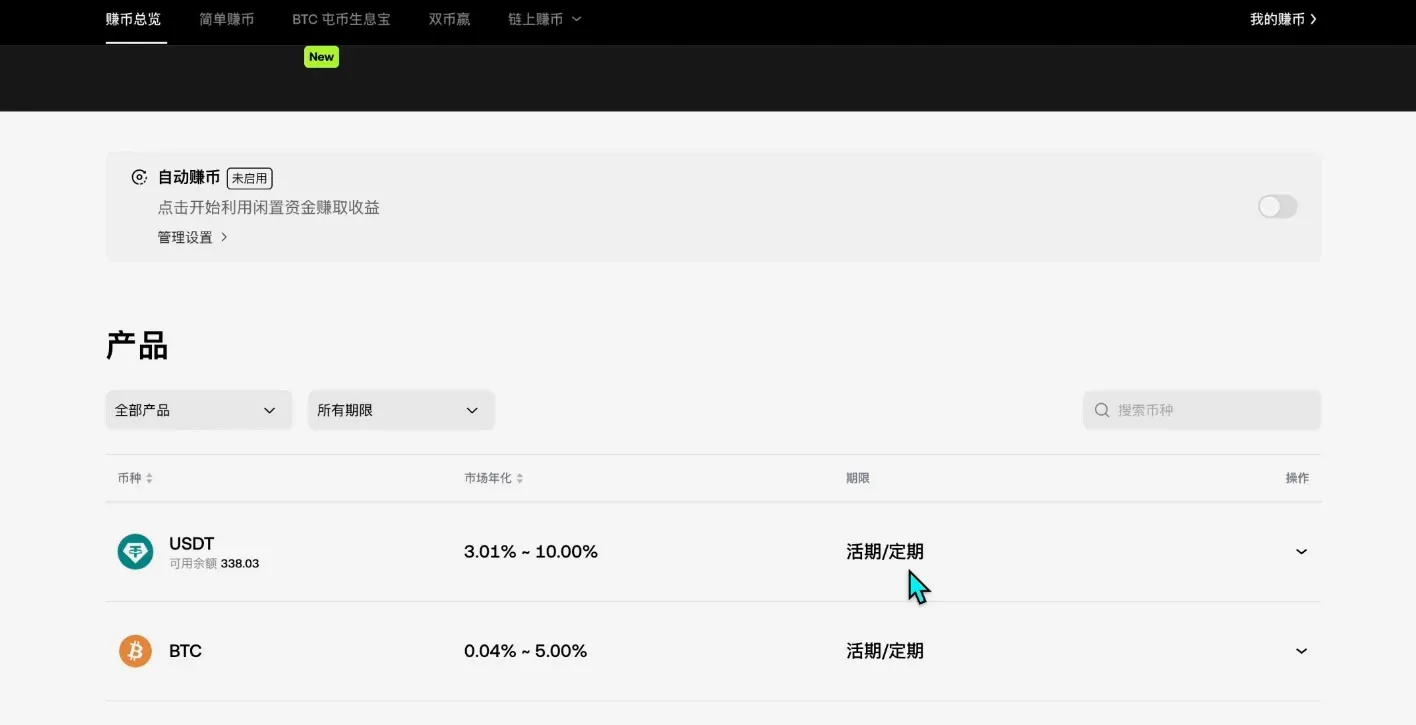
- Financial products: The platform often offers time‑locked yield products; participants can earn interest after locking their assets.
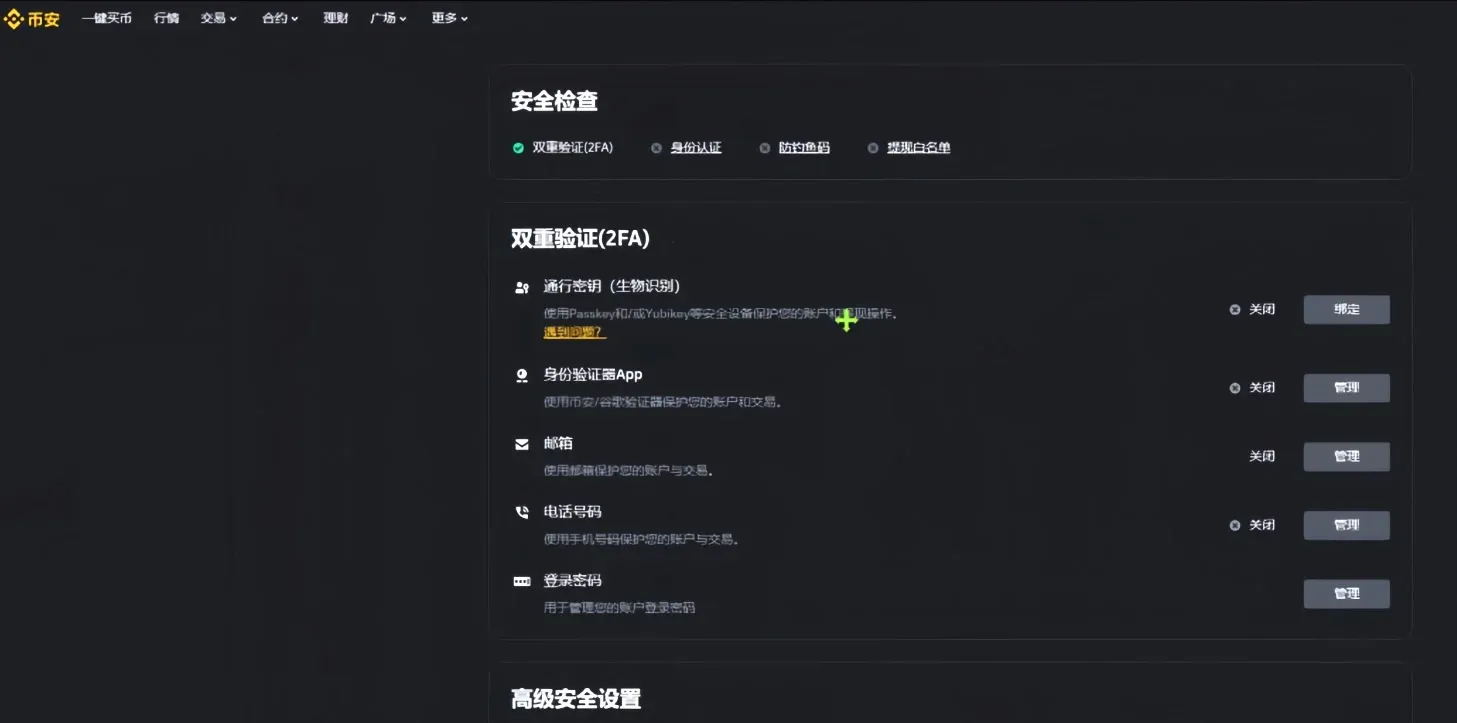
- Security safeguards: Multiple security layers such as email, phone, authenticator apps, and facial recognition are supported, and the platform provides customer service to help newcomers get started quickly.
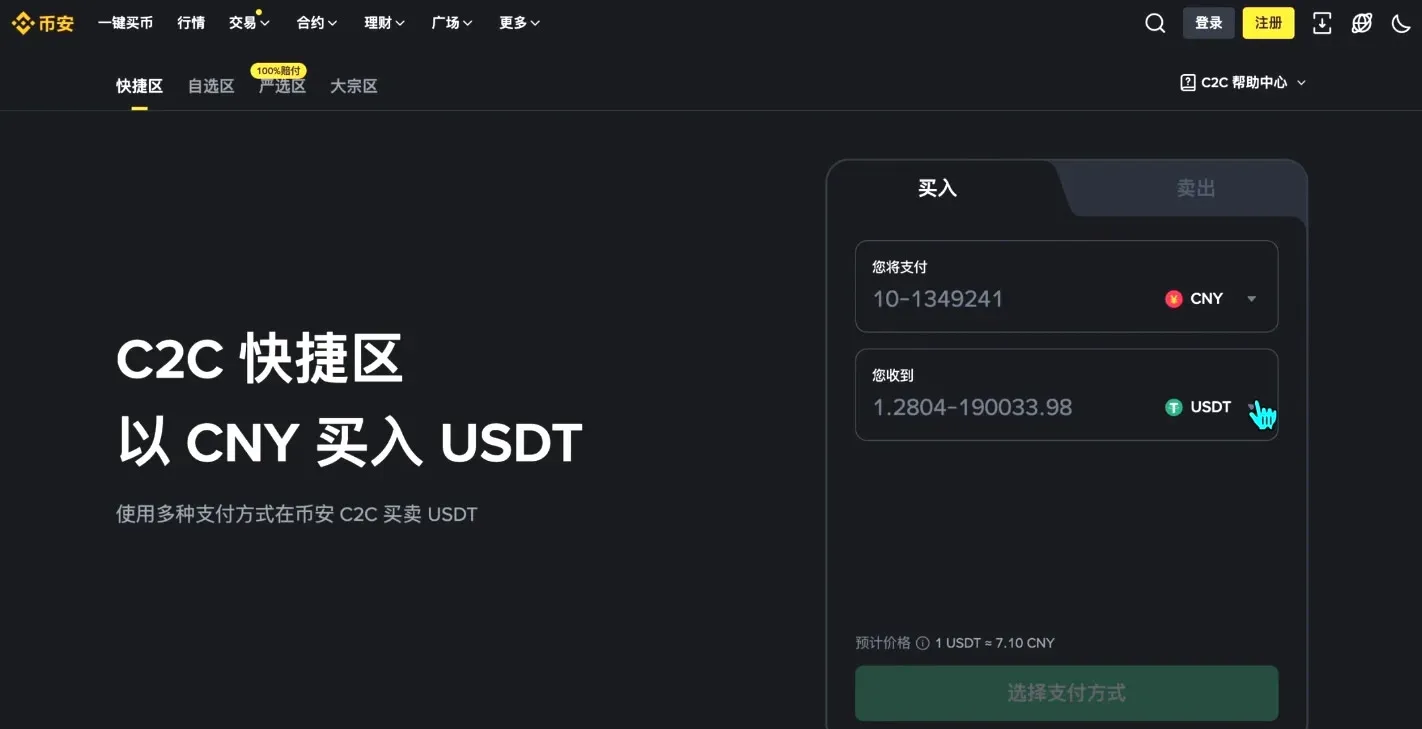
- Fiat gateway: Through a centralized wallet, users can directly purchase or sell digital assets using fiat currencies (e.g., USD via SEPA or SWIFT transfers).
Because the platform typically has mature risk‑control systems and customer‑support teams, overall security feels higher for beginners. However, the assets are not truly held in the user’s own control; for long‑term holding of large Bitcoin balances, the “custodial” nature of a centralized wallet may be less ideal.
Tax note: In many jurisdictions, gains from cryptocurrency transactions are taxable. Users should consult local tax regulations and consider reporting any realized profits accordingly.
How Decentralized Wallets Work
Decentralized wallets let users manage their private keys directly; the private key is the sole key to unlock the assets. Even if an exchange collapses or encounters other issues, anyone who holds the private key retains full control over the assets, which is why these wallets are often regarded as the preferred choice for long‑term “HODLing.”
Decentralized wallets come in two forms:
- Hot wallets: Exist only as mobile or desktop apps, offering convenience for everyday transactions.
- Cold wallets: Build on a hot‑wallet interface but add a hardware security module (e.g., a USB‑like device). All actions must be confirmed on the hardware device, providing a higher security tier.
Detailed Overview of Six Popular Web3 Hot Wallets
The six wallets listed below are widely used, well‑reviewed hot wallets suitable for daily use and lightweight asset management.
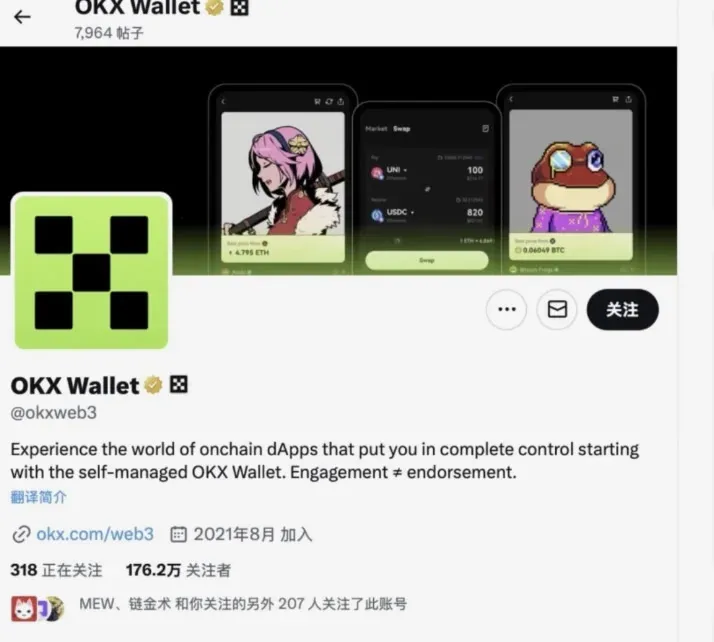
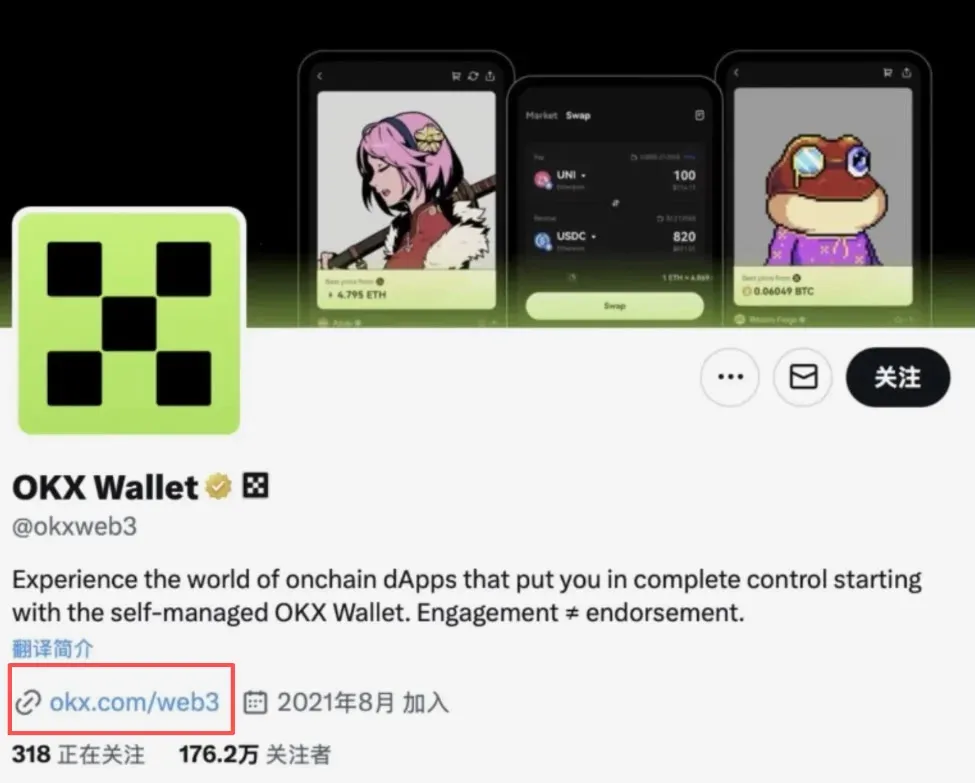
1. OKX Web3 Wallet
- Type: Non‑custodial, multi‑chain wallet developed by the OKX exchange.
- Features: One‑stop management of numerous digital assets; can connect to over 1,000 DApps spanning DeFi and NFT markets.
- Private key: Fully controlled by the user; ownership remains personal.
2. Binance Wallet
- Type: Self‑custodial wallet available as a mobile app, desktop web interface, and browser extension.
- Advantages: Simple operation, user‑friendly, and equipped with robust security measures.
- Compatibility: Quick connection to DeFi projects and a wide range of blockchain DApps.
Tip: Both the OKX Web3 and Binance wallets are built in‑house by their respective platforms. Because they are not driven by profit‑maximizing fees, they are theoretically free of hidden backdoors.
Important for U.S. users: Residents of the United States should access Binance services through Binance.US rather than the global Binance platform.
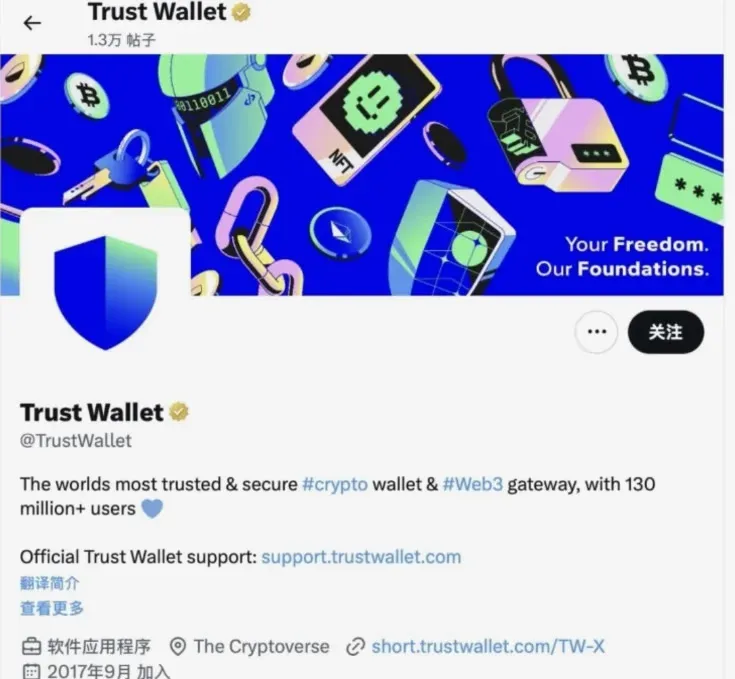
3. Trust Wallet
- Type: Open‑source, self‑custodial wallet supporting more than 100 blockchains.
- Features: Enables buying, selling, swapping, staking, and connecting to thousands of DApps.
- Security: Private keys stay entirely with the user; the open codebase allows community audits.
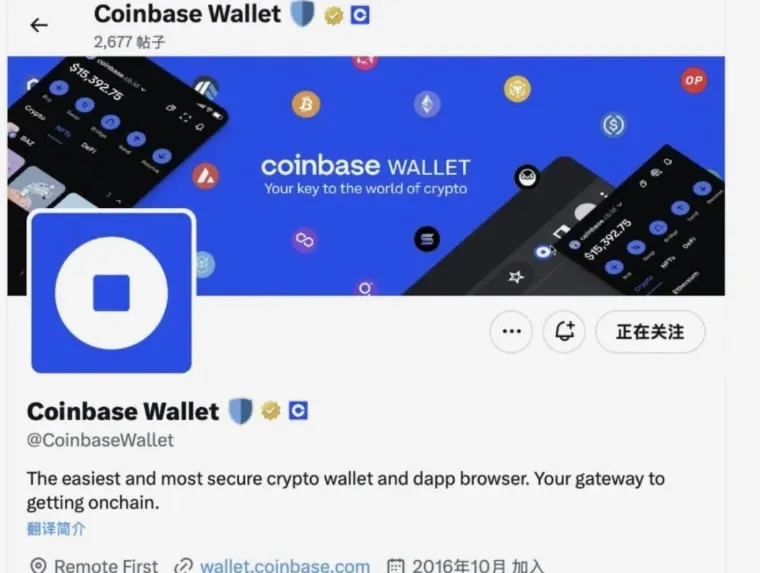
4. Coinbase Wallet
- Type: Stand‑alone self‑custodial wallet; no Coinbase exchange account is required to use it.
- Characteristics: Assets are managed via a mnemonic phrase; supports sending, receiving, storing crypto, and interacting with DeFi, NFT and other DApps.
- Background: Developed by the publicly listed U.S. company Coinbase, which is subject to regulatory oversight, reducing the likelihood of malicious intent.
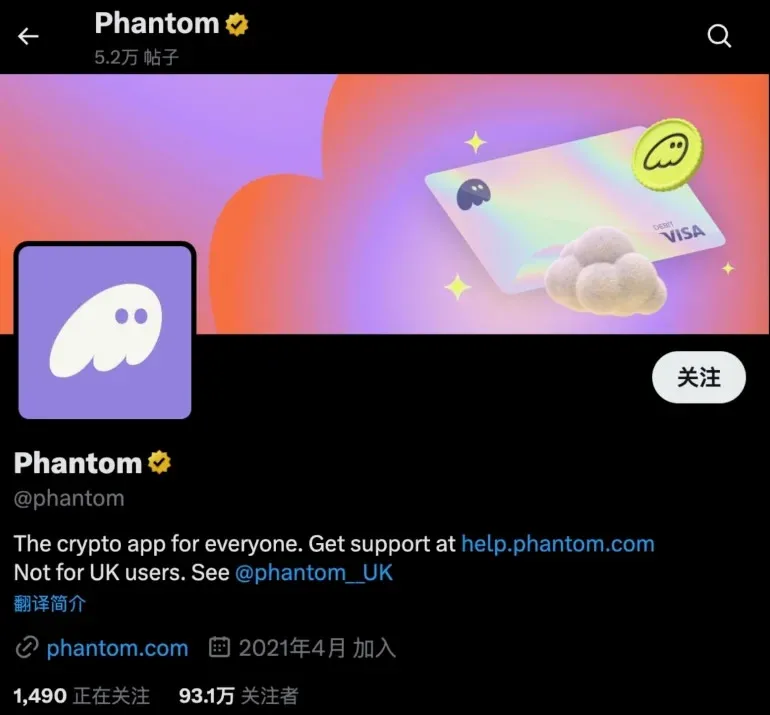
5. Phantom
- Type: Initially a non‑custodial wallet for the Solana ecosystem, now also compatible with Ethereum, Polygon, Bitcoin and other networks.
- Features: Handles both cryptocurrency and NFT assets; offers a browser extension and mobile app.
- Use case: Particularly popular within Solana‑based projects such as the Soul chain.
6. MetaMask (a.k.a. “Fox Wallet”)
- Type: Browser‑extension and mobile wallet for the Ethereum ecosystem, classified as a hot wallet.
- Advantages: Built‑in DApp browser and cross‑chain swap functionality; highly extensible, allowing users to access multi‑chain assets directly inside the wallet.
Cold Wallets: The Ultimate Hardware‑Based Security
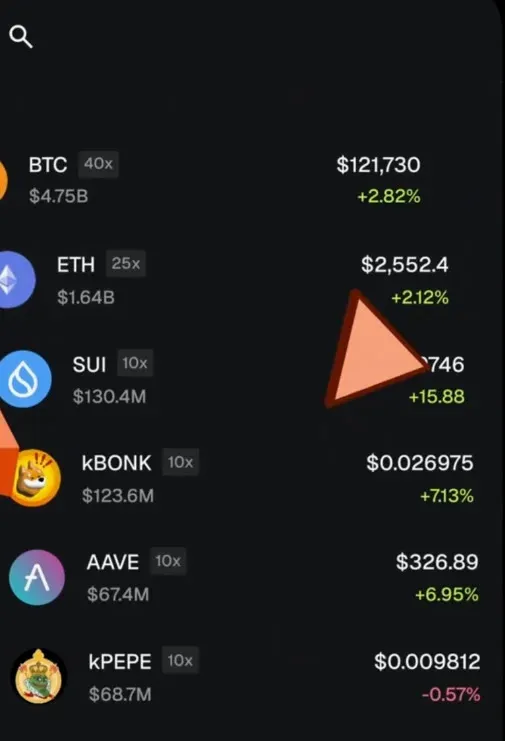
For users who need to hold large amounts or keep assets for a long period, cold wallets (e.g., TREZOR, Ledger) provide the strongest protection.
- Operation: Every transaction or interaction must be manually confirmed on the hardware device, preventing malware or phishing links from stealing the private key.
- Private‑key safety: The mnemonic seed and private keys never leave the device; even if the hardware is compromised, keys cannot be extracted remotely.
- Cost: Hardware units typically range from USD 100 – USD 500, representing a one‑time investment.
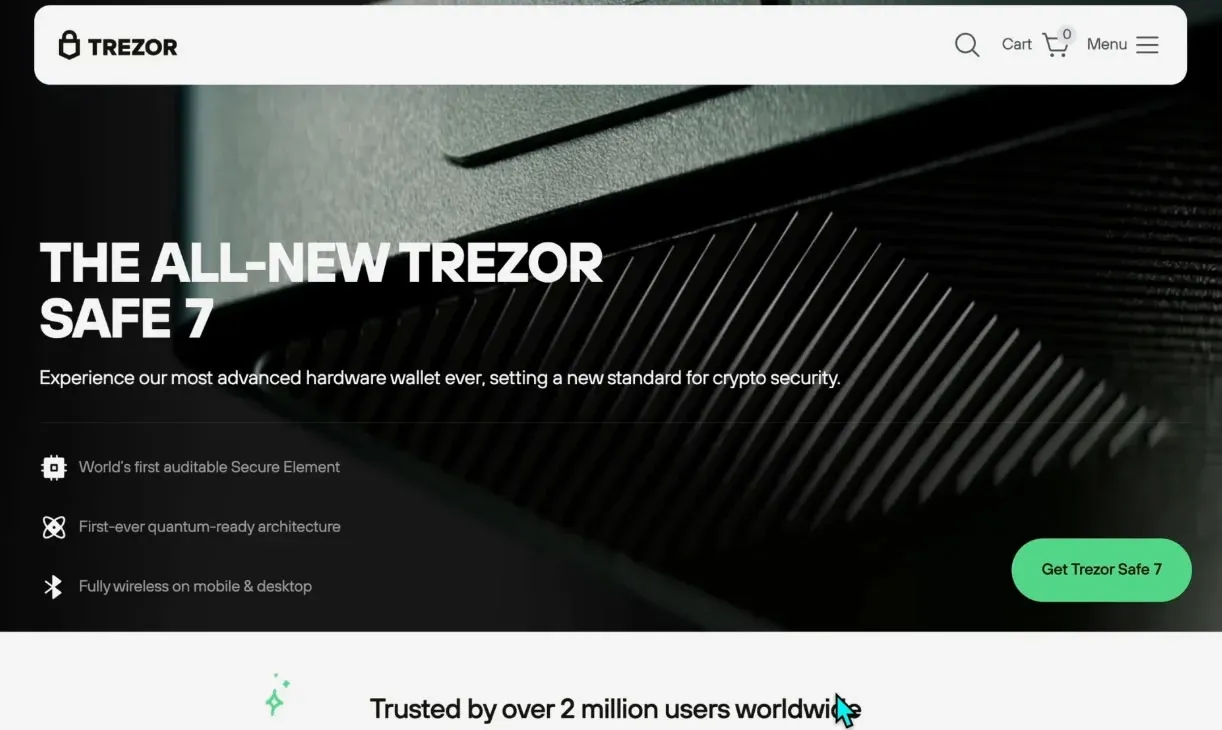
Security reminder: Always download wallet software from the official website or verified social‑media channels (e.g., the project’s official Twitter). Avoid third‑party links that could lead to phishing versions.
Registration Channels and Promotional Offers
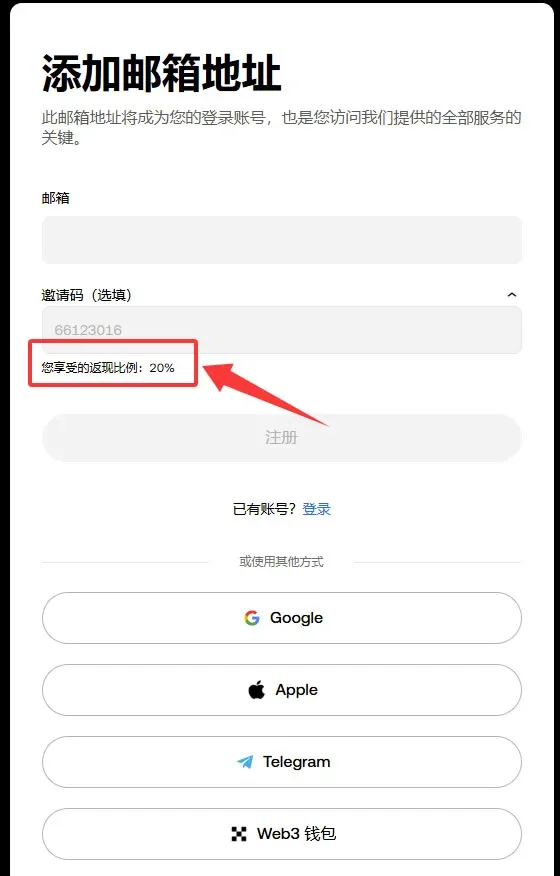
By signing up through the links below, you can receive a permanent 20 % fee discount on trading fees:
- Binance (global) registration: https://www.bitaigen.com/binance
- OKX registration: https://www.bitaigen.com/binance
Note for U.S. residents: Use the Binance.US link instead of the global Binance link to stay compliant with local regulations.
Summary
- Centralized wallets are ideal for beginners; they are convenient, backed by customer service and risk‑control mechanisms, but the assets are held by the platform.
- Decentralized wallets give users full control of their private keys, making them suitable for long‑term holding and unrestricted asset management.
- Hot wallets provide flexibility for day‑to‑day transactions, while cold wallets act as a security fortress for large balances.
If you want deeper analysis of commonly used wallets, stay tuned for upcoming articles from Bitaigen.
💡 Register on Binance with referral code B2345 for the maximum trading fee discount. See Binance complete guide.



