
 Bitaigen Research
 Cryptocurrency is a new type of digital asset. Unlike traditional money, they need to be stored in dedicated cryptocurrency wallets.
A crypto wallet is a digital tool for storing, managing, and transacting cryptocurrencies; when choosing one, you should evaluate the asset types, usage frequency, and security requirements comprehensively.
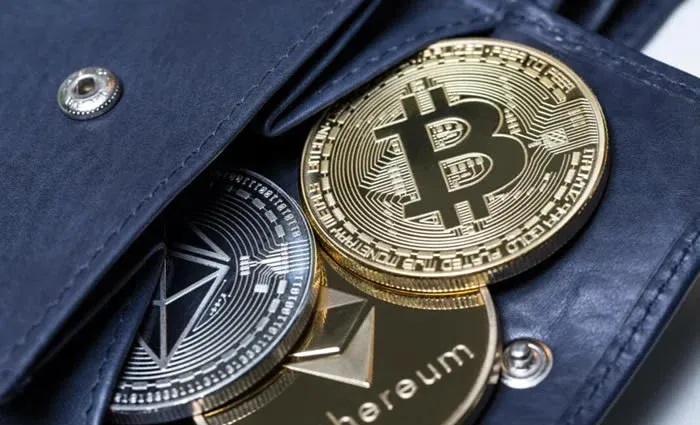
In this article we walk beginners through the basic concepts and classifications of wallets, explain the security differences between hot and cold wallets, and provide key selection points to help readers quickly identify the storage solution that best fits them. Later sections will dive deeper into comparative user experiences of mainstream products.
What Is a Crypto Wallet?
Basic Concept of a Cryptocurrency Wallet
A crypto wallet is a piece of digital software used to store, receive, and send cryptocurrencies. It consists of a pair of keys:
- Public key (wallet address) is used to receive funds;
- Private key is used to sign transactions and control the assets.
Based on whether it is connected to the internet, wallets fall into two major categories: hot wallets and cold wallets.
Core Functions of a Crypto Wallet
| Function | Description |
|---|---|
| **Storage** | Securely keep various digital assets. |
| **Send/Receive** | Complete transfers via wallet address. |
| **Private‑Key Management** | Protect the private key and use it for transaction signing. |
| **Transaction History** | View past transactions and balances. |
| **Multi‑Currency Support** | Manage multiple cryptocurrencies simultaneously. |
| **Security Management** | Multi‑layer encryption, backup, and recovery options. |
Why Do You Need a Crypto Wallet?
A crypto wallet is an essential tool for trading and storing cryptocurrencies. It gives you control over assets through the private key, providing decentralized ownership without reliance on a third‑party institution. Therefore, a wallet is more than just a “wallet”; it acts as a “safe deposit box” for digital assets and is crucial for safeguarding both security and ownership.
Hot Wallet vs. Cold Wallet
Hot Wallet
- Remains connected to the internet;
- Suited for frequent trading and quick access;
- Highly convenient but carries a relatively higher risk of attacks.
Cold Wallet
- Stores assets completely offline;
- Ideal for long‑term holding or large balances;
- Offers strong security; common forms include hardware wallets and paper wallets.
Selection Guidance
- Everyday small‑value transactions → Hot wallet (apply strong security measures).
- Long‑term storage of large amounts → Cold wallet (prioritize security).
- Regardless of the choice, back up regularly and keep the software up to date.
How to Choose the Crypto Wallet That Fits You Best?
1. Supported Currencies
Different wallets support different sets of assets. First confirm which cryptocurrencies you hold, then prioritize wallets that support multiple coins or are dedicated to a specific coin. Community activity and reputation are also important reference points.
2. Security Features
A secure crypto wallet should provide:
- Strong encryption algorithms and offline storage;
- Multi‑layer protection (e.g., two‑factor authentication, hardware isolation);
- Regular security audits and code updates;
- A reliable development team and an active community.
3. Ease of Use
For beginners, a wallet with a friendly interface and intuitive operation is easier to adopt. An ideal product should offer:
- Simple installation and recovery processes;
- Real‑time balance and transaction lookup;
- Synchronization across platforms (mobile, browser, desktop);
- Integrated access to popular decentralized applications (DApps) and exchanges.
Note on fiat on‑ramps: Most global exchanges accept USD via SEPA or SWIFT transfers. Residents of the United States should use Binance.US rather than the global Binance platform. Always verify the regulatory compliance of the service you choose. Crypto gains may be taxable in your jurisdiction; consult a tax professional for guidance.
Recommended Mainstream Crypto Wallets
Metamask Wallet
- Browser‑extension wallet for Ethereum and its tokens;
- Enables direct interaction with DApps on web pages;
- Clean interface, suitable for users of the Ethereum ecosystem.
Trust Wallet
- Mobile multi‑chain wallet with locally stored private keys;
- Supports using decentralized exchanges and DApps directly inside the wallet;
- Beginner‑friendly and compatible with many major coins.
Electrum
- Lightweight desktop client designed specifically for BTC wallets;
- Supports hardware wallets and multi‑signature functionality;
- Fast and low‑resource, ideal for Bitcoin users.
Conclusion
Choosing the right crypto wallet is the prerequisite for protecting digital assets and achieving convenient transactions. Different wallets emphasize security, convenience, or compatibility to varying degrees; users should evaluate based on asset size, transaction frequency, and risk tolerance. The correct wallet not only helps prevent hacks and scams but also enables efficient management of multi‑currency holdings.
Frequently Asked Questions for Crypto Beginners
Q: What should I do if I lose my wallet backup?
A: Losing a backup can result in permanent loss of assets. First, search all possible backup locations (paper, external storage, etc.). If you cannot recover it, immediately move the assets to a new wallet and create fresh backups stored in multiple secure locations, protecting the backup files with passwords or encryption.
Q: How can I tell if a wallet is safe?
A: Secure wallets typically feature strong encryption, offline storage, multi‑layer protection, regular audits, an active community, and a trustworthy development team. Products possessing these attributes are generally more reliable.
Q: What is a BTC wallet?
A: A BTC wallet is a digital tool dedicated to storing, sending, and receiving Bitcoin. It can take hardware, software, or paper form. The core responsibility is safeguarding the private key to prevent leaks that could lead to asset loss.
Q: Can I have multiple crypto wallets?
A: Absolutely. Using several wallets helps diversify risk and serves different use cases (e.g., a hardware wallet for large holdings, a hot wallet for daily spending). However, you must manage each wallet’s private keys and backups in an organized manner.
Q: What’s the difference between a hardware wallet and a software wallet?
A: A hardware wallet is a physical device that stores the private key offline, offering high security but slightly more complex operation. A software wallet exists as an app, providing convenience but potentially exposing the private key to online threats, thus offering comparatively lower security.
Q: Are crypto wallets free?
A: Most hot wallets can be downloaded and used for free; you only pay the blockchain network’s transaction fees when sending funds. Hardware wallets require purchasing a physical device, with costs varying by brand and features, and are suited for users needing a higher security level.
This completes the full analysis of “What Is a Crypto Wallet? How Can Beginners Choose the Best One for Them?” For more related material, follow Bitaigen (比特根) and explore its other articles.
Related Reading
- Mochi MXC Platform Review: Fees, Token Mechanics & Security
- Cold Wallet Offline Transaction: Generate, Sign, Broadcast
- Beginner's Crypto Guide: Wallets, Exchanges & First Purchase
💡 Register on Binance with referral code B2345 for the maximum trading fee discount. See Binance complete guide.



