
 Bitaigen Research
 Frequently Asked Questions (FAQ)
- Can I purchase Bitcoin directly with PayPal?
Yes. PayPal has enabled crypto features in certain regions, allowing users to buy Bitcoin directly within their account. However, these Bitcoins can only be used within the PayPal ecosystem and cannot be withdrawn to an external wallet.
- Can the Bitcoin bought via PayPal be transferred to another wallet?
Currently external transfers are not supported. If you want to hold the asset yourself, consider using a peer‑to‑peer (P2P) platform that accepts PayPal for the transaction.
- Is buying Bitcoin with PayPal legal?
Most jurisdictions do not expressly prohibit individuals from conducting crypto transactions through PayPal, but you should verify the regulatory stance in your own country before proceeding.
- Are there limits on the purchase amount?
PayPal and its partner platforms impose purchase caps on accounts that have not completed identity verification. Completing the KYC process raises the limit.
- Is it worthwhile to buy Bitcoin with PayPal in 2025?
If you value transaction speed and familiarity with the platform, PayPal remains a viable option. You still need to weigh the restrictions on asset control and the fee structure against other alternatives.
Why Choose PayPal for Bitcoin Transactions
- User‑friendly experience: Compared with the often‑complex onboarding of traditional exchanges, PayPal uses an interface most users already know, lowering the entry barrier for newcomers and helping more people step into the crypto space.
- High transaction speed: Purchases completed through PayPal are usually settled within minutes, far faster than bank transfers that can take several days—crucial when markets move quickly.
- Security and buyer protection: PayPal has built a robust security framework and buyer‑protection policies, which add an extra layer of safety to crypto purchases.
- Global connectivity: As more e‑commerce and fintech services begin accepting Bitcoin payments, PayPal acts as a bridge that lets users easily participate in the broader digital economy.
Several Ways to Acquire Bitcoin via PayPal
Option 1: Direct Purchase Inside PayPal
Applicable to users in regions where PayPal’s crypto feature is enabled.
Steps
- Log in to your PayPal account.
- Navigate to the Crypto (or Digital Assets) section.
- Select Bitcoin and click Buy.
- Enter the amount you wish to purchase and confirm the transaction.
Note: Bitcoin bought this way stays in your PayPal account and cannot be transferred to an external wallet.
Option 2: Use a PayPal‑Supported Peer‑to‑Peer (P2P) Platform
This method connects buyers directly with sellers who accept PayPal as payment.
Steps
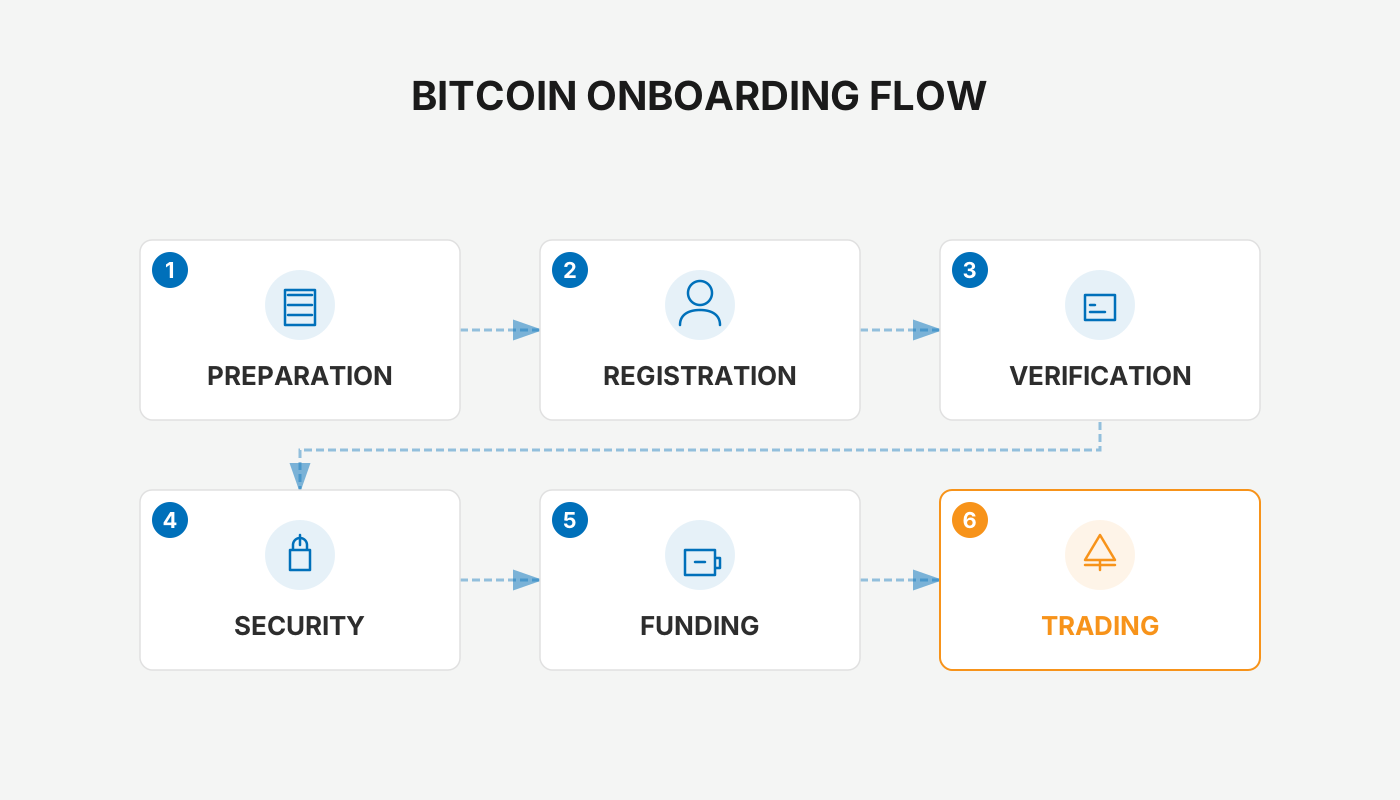
- Register on a reputable P2P platform and complete identity verification.
- Filter sellers who list PayPal as an accepted payment method; review their reputation scores and trade terms.
- Initiate the trade and pay the seller through PayPal.
- After the seller confirms receipt of funds, they will release the Bitcoin to your wallet address.
Security tip: Prioritize P2P platforms that offer escrow services to protect both parties in case of disputes.
Option 3: Buy a Gift Card First, Then Exchange for Bitcoin
Some users first purchase a gift card with PayPal that is redeemable on a specific platform, and later convert that credit into Bitcoin. Although it adds an extra step, this workaround is viable in regions where direct PayPal purchases are unavailable.
Common Challenges When Buying Bitcoin with PayPal and Corresponding Solutions
| Issue | Description | Mitigation |
|---|---|---|
| Limited transferability | Bitcoin bought directly in PayPal cannot be exported. | Use this method only if you intend to keep the asset within PayPal or plan to resell later; for self‑custody, switch to a P2P approach. |
| Relatively high fees | Compared with bank transfers (e.g., SEPA/SWIFT) or dedicated crypto platforms, PayPal may charge higher fees. | Include the fee in your total cost calculation when comparing quotes, and evaluate any price spread. |
| P2P fraud risk | Some malicious sellers may exploit platform loopholes. | Trade only with users who have completed KYC, read reviews carefully, and always use escrow. |
| Account limitation risk | Large or frequent crypto purchases can trigger PayPal’s risk‑control mechanisms. | Keep individual transaction sizes moderate and maintain normal account activity to avoid triggering alerts. |
Real‑World Examples of PayPal in Bitcoin Purchases
- Example 1: Fast Market Entry
Developer James wanted to enter crypto without using a bank account. He selected a PayPal‑accepting seller on a P2P platform, paid $200, and received Bitcoin in his personal wallet within an hour, marking his first holding.
- Example 2: Diversified Income Stream
Remote worker Amira in Southeast Asia faces local banking restrictions, so she opts for PayPal as her payment method. Through a trusted seller, she successfully buys Bitcoin, further diversifying her earnings and spreading risk.
- Example 3: Trust in a Familiar Platform
E‑commerce entrepreneur Michael has used PayPal for years and trusts its security. He buys Bitcoin directly inside PayPal, avoiding the need to create a new exchange account and instantly starting his crypto investment journey.
Best Practices for Secure Bitcoin Purchases
- Enable two‑factor authentication (2FA): Activate 2FA on both PayPal and any linked crypto accounts to strengthen login security.
- Keep complete transaction records: Especially on P2P platforms, save payment receipts, chat logs, and the seller’s wallet address for future reference.
- Start with small amounts: When using PayPal for the first time, conduct a low‑value transaction to test the workflow and verify platform reliability.
- Monitor market movements in real time: Track Bitcoin price fluctuations and time your purchases to mitigate the impact of rapid price swings.
- Transfer to a personal wallet when possible: If the platform permits, move the Bitcoin to a hardware or software wallet you control to enhance independent security.
Conclusion
By 2025, the convergence of PayPal and Bitcoin has blended the convenience of traditional finance with the potential of decentralized assets. Whether you aim to diversify holdings through a familiar payment channel or you reside in a region with limited banking services, PayPal offers a relatively straightforward entry point. Remember, however, that not every purchase method grants you full control over the underlying Bitcoin. Choose the route that matches your personal needs, stay informed about platform updates, and follow security best practices so that Bitcoin can serve as a robust tool for achieving your financial objectives.
Tax reminder: Cryptocurrency gains may be subject to taxation in your jurisdiction; consult a tax professional to ensure compliance.
Regional note: U.S. residents should use Binance.US rather than the global Binance platform when accessing exchange services.
Frequently Asked Questions (FAQ)
- Can I purchase Bitcoin directly with PayPal?
Yes, PayPal has enabled crypto features in specific regions, allowing users to buy Bitcoin directly within their account, though the coins cannot be withdrawn to an external wallet.
- Can the Bitcoin bought via PayPal be transferred to another wallet?
External transfers are currently not supported. If you need self‑custody, consider using a PayPal‑compatible P2P platform.
- Is buying Bitcoin with PayPal legal?
Most countries do not explicitly ban personal crypto transactions through PayPal, but it is advisable to confirm local regulations before proceeding.
- Are there limits on the amount of Bitcoin I can buy with PayPal?
Accounts that have not completed identity verification are subject to purchase caps; completing KYC raises these limits.
- Is it worthwhile to buy Bitcoin with PayPal in 2025?
If you value transaction speed and platform familiarity, PayPal remains a viable option. However, you should also consider fees, asset control, and long‑term storage plans.
For more practical information on buying Bitcoin with PayPal, stay tuned to Bitaigen’s upcoming specialist articles.
Related Reading
- Bitcoin Faces $600M Liquidation Risk, Could Surge to $70,000
- Bitcoin as a Strategic National Reserve: Impact & Investment
- White House funds Bitcoin reserve; Kansas proposes SB352
💡 Register on Binance with referral code B2345 for the maximum trading fee discount. See Binance complete guide.



