
 Bitaigen Research
 The year 2026 is fast approaching, and blockchain technology and cryptocurrencies have already experienced explosive growth. Almost everyone has at least heard of digital assets.
The most popular cryptocurrencies in 2025 include Bitcoin, Ethereum, Tether (USDT), Binance Coin, Solana, XRP, Cardano, Dogecoin, TON, TRX, Avalanche, Polkadot, Shiba Inu, Chainlink and Litecoin – a total of 15 assets.
In this article we compile the most‑watched crypto assets of 2025, analysing them across core categories such as payment coins, stablecoins, utility tokens, governance tokens and meme coins. For each we examine technical traits, ecosystem positioning and market performance, with the aim of helping readers grasp industry trends and select suitable investment directions. Continue reading for the full breakdown.
Main Categories of Cryptocurrencies
Before diving into the individual projects, it helps to understand the common ways cryptocurrencies are classified:
- Payment Coins – Designed primarily for value transfer, they feature fast, low‑cost transactions and can serve as alternatives to fiat currencies, gold or gift cards.
- Stablecoins – Pegged 1:1 to a fiat asset (most commonly the U.S. dollar), they provide price stability, a store of value, yield‑earning opportunities or an inflation hedge.
- Utility Tokens – Used within a specific blockchain ecosystem to pay fees, receive rewards or unlock services.
- Governance Tokens – Holders can vote on‑chain, influencing upgrades, parameter changes and other key decisions.
- Meme Coins – Driven mainly by community hype, they lack substantive utility and exhibit extreme price volatility, making them the riskiest class.
Note: These categories are not mutually exclusive; some tokens possess multiple attributes—for example, certain payment coins are also stablecoins.
The 15 Most Popular Cryptocurrencies
Below is a list of the 15 tokens that currently attract the most attention (ordered alphabetically):
- Bitcoin
- Ethereum
- Tether (USDT)
- Binance Coin (BNB)
- Solana
- XRP
- Cardano
- Dogecoin (DOGE)
- TON
- TRX
- Avalanche (AVAX)
- Polkadot
- Shiba Inu
- Chainlink
- Litecoin (LTC)
1. Bitcoin

Overview: As the first cryptocurrency, Bitcoin leads in popularity, market capitalization and price per unit.
- Use Cases: Store of value, investment, digital gold alternative
- Market Cap: Approximately USD 2.03 trillion
2. Ethereum
Overview: The world’s second‑largest crypto, launched in July 2015 by Vitalik Buterin and a team of co‑founders.
- Use Cases: Deploying decentralized applications (DApps), staking, on‑chain governance
- Market Cap: Approximately USD 400 billion
3. Tether (USDT)
Overview: USDT is a stablecoin pegged 1:1 to the U.S. dollar, keeping its value near USD 1.
- Use Cases: Trading pairs, a low‑risk store of value
- Market Cap: Approximately USD 183 billion
4. Binance Coin (BNB)
Overview: The native token of the Binance exchange.
- Use Cases: Paying transaction fees; utility token for Binance Smart Chain and the Binance marketplace
- Market Cap: Approximately USD 130 billion
*Note: Users residing in the United States should access Binance.US rather than the global Binance platform.*
5. Solana
Overview: Known for high throughput and low fees, it supports smart contracts written in Rust.
- Use Cases: Payments on the Solana chain, building DApps, NFT and utility‑tool development
- Market Cap: Approximately USD 86.9 billion
6. XRP
Overview: The native token of the XRP Ledger, created by Ripple Labs.
- Use Cases: Cross‑border payments
- Market Cap: Approximately USD 135.79 billion
- Primary Exchange: Kraken
7. Cardano
Overview: ADA operates on a proof‑of‑stake (PoS) consensus mechanism and consistently ranks among the top ten by market cap.
- Use Cases: Payments, governance, staking
- Market Cap: Approximately USD 19.54 billion
- Primary Exchange: MEXC (supports MXN – Mexican Peso)
8. Dogecoin (DOGE)
Overview: Originating from an internet meme, Dogecoin surged in popularity after tweets from Elon Musk, but it lacks substantive utility.
- Use Cases: Purely speculative asset with no intrinsic functional value
- Market Cap: Approximately USD 24 billion
9. TON

Overview: The native token of The Open Network (TON), closely tied to the Telegram messaging platform.
- Use Cases: Payments, network fees and utility services within the TON ecosystem
- Market Cap: Approximately USD 4.84 billion
- Primary Exchange: Kraken
10. TRX
Overview: The native token of the TRON ecosystem, intended to enable content creators to monetize directly, bypassing traditional platforms.
- Use Cases: Content monetization, building decentralized applications
- Market Cap: Approximately USD 27.21 billion
11. Avalanche (AVAX)
Overview: The native token of the Avalanche blockchain, known for high throughput.
- Use Cases: Smart contracts, decentralized finance (DeFi), gaming
- Market Cap: Approximately USD 7.18 billion
12. Polkadot

Overview: Focuses on interoperability between disparate blockchains.
- Use Cases: Utility tools within the Polkadot network
- Market Cap: Approximately USD 4.28 billion
- Primary Exchange: Kraken
13. Shiba Inu
Overview: Another meme coin whose price is driven entirely by community speculation.
- Use Cases: Purely speculative, no real‑world utility
- Market Cap: Approximately USD 5.38 billion
- Primary Exchange: Kraken
14. Chainlink
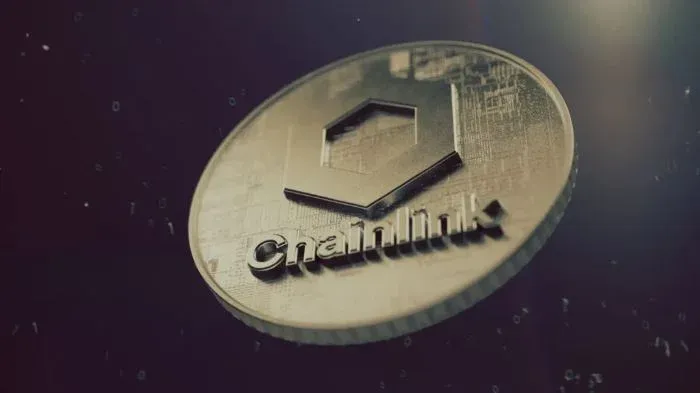
Overview: An oracle network that securely feeds off‑chain data to smart contracts. It is also known for providing on‑chain randomness.
- Use Cases: Supplying external data sources to other blockchains
- Market Cap: Approximately USD 10.56 billion
- Primary Exchange: Kraken
15. Litecoin (LTC)
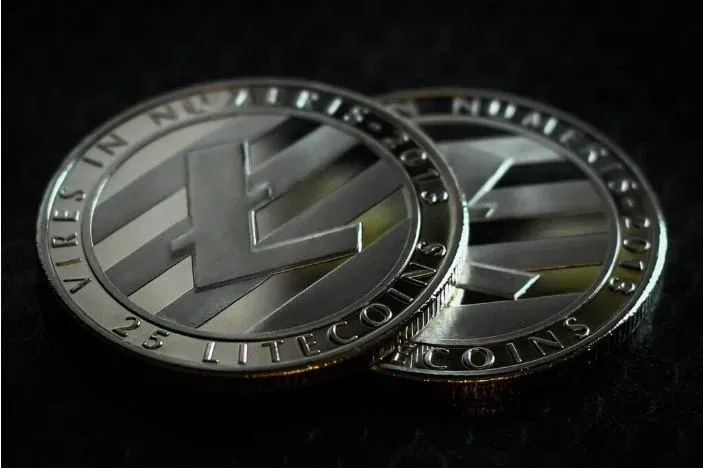
Overview: An early Bitcoin fork designed to achieve faster block generation.
- Use Cases: Small‑value cross‑border payments
- Market Cap: Approximately USD 6.74 billion
How to Choose the Right Cryptocurrency for Investment
After familiarising yourself with the mainstream tokens, consider the following criteria when selecting a suitable investment target:
- Utility – Does the token have a clear function or competitive advantage? Tokens lacking real utility are often high‑risk “joke coins.”
- Market Capitalization – Larger market caps imply a broader holder base and generally lower susceptibility to pure speculation‑driven price swings.
- Team Background – For newer projects, verify the founders’ track records and reputation within the industry.
- Roadmap – A transparent, milestone‑driven development plan signals execution capability and accountability.
- Risk Profile – If your risk tolerance is limited, steer clear of highly volatile meme coins and prioritize relatively stable assets such as Bitcoin or Ethereum.
Conclusion on Cryptocurrencies
Cryptocurrencies now constitute a multi‑trillion‑USD ecosystem, yet volatility remains pronounced. Each token listed above is competitive within its niche, with distinct functions and positioning—Bitcoin and Litecoin focus on payments, Solana emphasizes speed, and Ethereum specializes in smart contracts. Understanding these differences and each project's potential can help you make more rational investment decisions and apply the same analytical framework to other, unlisted tokens.
Frequently Asked Questions
Are cryptocurrencies a good investment?
Cryptocurrencies experience extreme price swings; they can generate substantial gains but also lead to severe losses. Investors must assess risk versus reward themselves and determine whether the asset class fits their personal circumstances.
Why are there so many different cryptocurrencies?
Platforms such as Ethereum and Binance Smart Chain make token creation inexpensive—often achievable with a few clicks and without deep programming expertise.
Which cryptocurrencies rank at the top by market cap?
Currently, the five largest tokens by market capitalization are: Bitcoin, Ethereum, Tether (USDT), USDC, and Binance Coin (BNB).
Could I lose my entire investment in crypto?
The risk is real, especially with highly speculative meme coins whose prices can experience sharp corrections.
Is it still a good time to buy cryptocurrencies?
About 10 % of the global population already uses digital assets, and new projects continue to emerge, meaning there is still room for exploration.
*Disclaimer: Crypto gains may be subject to taxation in your jurisdiction. Please consult a tax professional to understand your local obligations.*
This completes the full content of “Which Cryptocurrencies Were Popular in 2025? 15 Top Picks.” For more updates, follow Bitaigen and explore its other articles.
Related Reading
- How to Buy ETH on Binance: Step‑by‑Step Guide for Beginners
- Top 10 ETH Rich List 2026: Who Holds the Most Ethereum?
- Ethereum Panic Over Chinese New Year: Causes & Market Shift
💡 Register on Binance with referral code B2345 for the maximum trading fee discount. See Binance complete guide.



