
 Bitaigen Research
 Satoshi Nakamoto is the anonymous creator of Bitcoin. He published the whitepaper in 2008, launched the first decentralized cryptocurrency in 2009, and mined the genesis block. He is believed to hold roughly 1.1 million BTC, and none of these coins have ever been moved.
Excerpt: Who is Satoshi Nakamoto? This anonymous founder of Bitcoin sparked the blockchain revolution, owns about 1.1 million BTC, and may have vanished around 2010. There are many theories about whether he is Hal Finney, Nick Szabo, Craig Wright, or a combination of several developers. As for Bitcoin’s future, the still‑undeveloped coins continue to generate divergent opinions.
This article aims to answer the question “Who is Satoshi Nakamoto?”, analyze the Bitcoin he holds, and assess the market impact that could arise if those coins were ever transferred.

Key Points
- Satoshi Nakamoto wrote the 2008 Bitcoin whitepaper and mined the genesis block in early 2009, accumulating more than 1.1 million BTC.
- His real identity remains undisclosed; common candidates include Craig Wright, Hal Finney, Nick Szabo, among others.
- If these bitcoins become liquid, they could trigger market volatility; however, Bitcoin’s decentralized design will continue to uphold its core security.
This article systematically reviews the clues to Satoshi’s identity, the speculation surrounding the team behind him, and the potential impact of his holdings, helping readers grasp the essential information and peel back the mystery of Bitcoin’s founder. We also evaluate the possible market turbulence that could follow a movement of those coins and provide an objective perspective.
Who Is Satoshi Nakamoto? Why Does His Identity Matter?
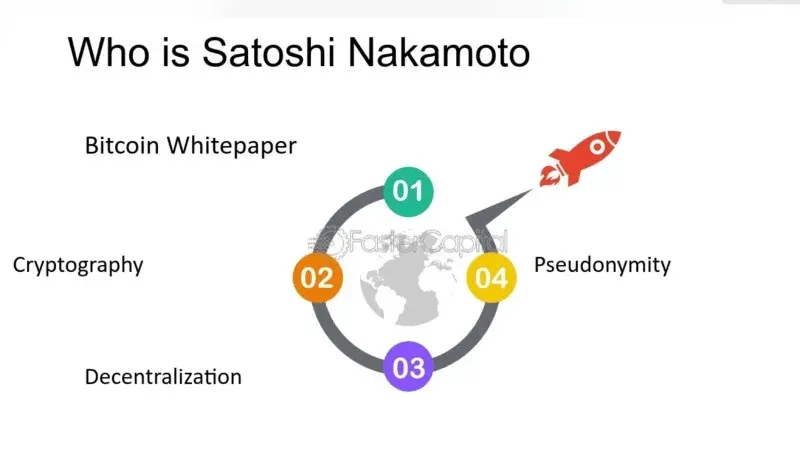
Satoshi Nakamoto is the pseudonymous creator of Bitcoin, the first system to propose a peer‑to‑peer electronic cash network based on blockchain and proof‑of‑work (PoW). The question who Satoshi Nakamoto is draws intense interest because his anonymity directly shapes Bitcoin’s decentralization narrative and influences global technology adoption.
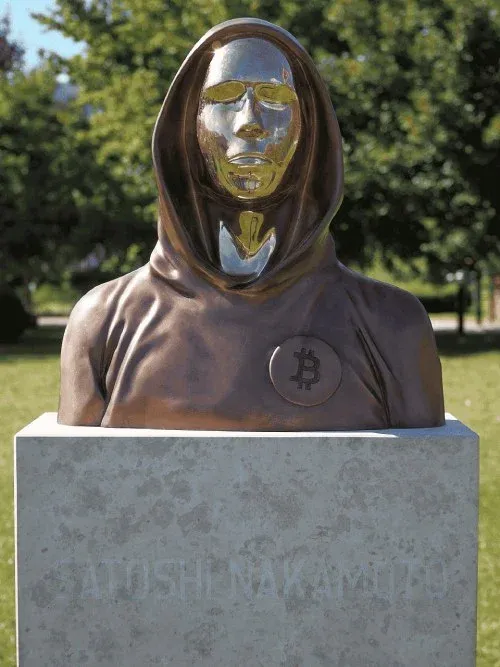
His Role in Bitcoin’s Birth
- 2008: Published the paper *“Bitcoin: A Peer‑to‑Peer Electronic Cash System”*, outlining the concept of a decentralized currency.
- January 2009: Created the genesis block (block height 0), officially launching the Bitcoin network.
- January 2009: Executed the first Bitcoin transaction, sending coins to Hal Finney.
- 2009‑2011: Continued to submit code, maintain the network, and then gradually stepped back, handing governance over to the community.
Why the Identity Remains a Mystery
- No personal data: No real name, nationality, or birth year has ever been disclosed.
- Communication channels: All interactions occurred via email, forums, and other online media, without any verifiable identity authentication.
- Pseudonym speculation: “Satoshi Nakamoto” may have been deliberately fabricated to conceal the true author(s).
- Lack of cryptographic signatures: No verifiable private‑key signatures have surfaced that could link any early wallet to the pseudonym.
How Many Bitcoins Does Satoshi Own?
From a wealth perspective, Satoshi is estimated to hold about 1.1 million BTC, roughly 5 % of Bitcoin’s total supply. These coins are spread across thousands of early‑mining addresses, making Satoshi one of the largest single holders in cryptocurrency history.
The Patoshi Pattern and Wallet Identification
- Patoshi pattern: Analysis of more than 22,000 early blocks revealed a distinctive mining behavior that researchers attribute to the founder.
- Blockchain forensics: Companies such as Arkham Intelligence use this pattern to trace address clusters, estimating Satoshi’s total holdings at around 1.1 million BTC with no transaction activity for over a decade.
| Key Point | Description |
|---|---|
| Pattern name | Patoshi pattern |
| Analyzing entities | Arkham Intelligence and others |
| Estimated holdings | ~1.1 million BTC |
| Activity status | No movement for 10 + years |
Why They Are Labeled “Dead Coins”
- No transaction record: Since 2010, none of the addresses known to belong to Satoshi have ever transferred funds.
- Possible reasons: The private keys may have been lost, or the holder may be deliberately keeping them dormant to demonstrate a commitment to decentralization.
- Technical state: Although dubbed “dead coins,” the BTC remain fully intact on the blockchain and could be activated at any moment.
What Would Happen If Satoshi’s Bitcoins Were Moved?
Hypothetically, if the full 1.1 million BTC entered circulation, several chain reactions could unfold:
Market Panic and Liquidity Pressure
- The sudden supply shock could spark panic selling.
- Exchanges might face tight liquidity, leading to sharp short‑term price swings.
- Network transaction volume would surge, causing congestion and higher fees.
Possible Institutional and Regulatory Responses
- Institutional investors would reassess risk exposure and might rebalance portfolios.
- Regulators could intensify scrutiny, introducing policies aimed at mitigating systemic risk.
- Compliance requirements may tighten, affecting exchanges, custodians, and DeFi platforms (U.S. users would need to use Binance.US rather than the global Binance platform).
Resilience of the Decentralized Design
- Even with a massive transfer, the Bitcoin protocol itself would retain its consensus rules, proof‑of‑work security, and decentralization.
- The network’s technical robustness would not be compromised by a single large holder, although market narratives and sentiment could shift dramatically.
Theories About Satoshi’s Identity
Decades of speculation have yet to produce a definitive answer. Researchers have examined the Satoshi pattern, early wallet usage, and writing style, but no conclusive evidence has emerged.
Main Candidates
| Candidate | Key Clues | Controversies |
|---|---|---|
| **Craig Wright** | Claims to be Satoshi, presented partial cryptographic signatures | Authenticity of evidence is heavily disputed |
| **Hal Finney** | First Bitcoin recipient, early code contributor | Has never publicly confirmed the claim |
| **Nick Szabo** | Author of the “Bit Gold” paper, similar writing style | No direct linkage to the Satoshi persona |
| **Dorian Nakamoto** | Shares the surname, mistakenly identified by media | Firmly denies any involvement |
Team Hypothesis
Some scholars argue that Satoshi could be a team of programmers using a collective pseudonym, which would explain the early code’s sophistication and the management of multiple addresses.
Other Candidates
- Toru Kaneko: Japanese developer of the P2P software Winny; a few studies draw parallels between his work and Bitcoin’s design.
- Additional anonymous cryptography enthusiasts are occasionally mentioned, highlighting the breadth of speculation.
What If Satoshi Re‑emerges?
Impact on Decentralization
- A return could be perceived as a centralizing influence, sparking debate over leadership and consensus mechanisms within the community.
- Potential ideological splits might create fissures among developers and users.
Possible Technical Contributions
- Scaling proposals: He might suggest new on‑chain scaling ideas.
- Security upgrades: Advice on emerging attack vectors could improve the protocol.
- Privacy enhancements: Introduction of stronger anonymity techniques to meet user demand.
Satoshi’s Long‑Term Legacy
- Market milestone: Bitcoin has repeatedly hit new all‑time highs, drawing institutional attention.
- Financial products: Instruments such as Bitcoin ETFs have integrated BTC into traditional finance.
- Technical innovation: The Lightning Network has boosted transaction throughput.
- Global adoption: Countries like El Salvador have declared Bitcoin legal tender, marking a mainstream breakthrough.
Track Bitcoin Securely with the Bitget Wallet
Even though Satoshi’s true identity remains a mystery, investors still need reliable tools to monitor Bitcoin assets. The Bitget Wallet offers a secure, user‑friendly environment that helps users track all BTC transactions, including those involving early Satoshi‑associated addresses.
Why Choose the Bitget Wallet?
- Wallet monitoring: Real‑time tracking of transactions, balances, and historical activity, with support for queries on legacy addresses.
- Multi‑chain support: Compatible with BTC and over 130 other mainnet chains.
- User‑friendly: Clean interface suitable for newcomers.
- Security guarantees: Employs advanced encryption and offline private‑key storage to protect assets.
Frequently Asked Questions
Who created Bitcoin?
Bitcoin was created by the anonymous developer or team known as Satoshi Nakamoto, who released the whitepaper in 2008 and launched the network in 2009.
How many bitcoins does Satoshi own?
Estimates place his holdings at roughly 1.1 million BTC, with essentially no transactions recorded since 2010.
Has Satoshi disappeared?
Yes. He gradually ceased public communication between 2010 and 2011, leaving the project to community governance.
Is Craig Wright Satoshi?
Craig Wright claims to be Satoshi, but the evidence he provided has not gained broad acceptance in the community and remains controversial.
What would happen if Satoshi’s bitcoins moved?
While the protocol would stay secure, a large‑scale transfer could trigger market panic, liquidity strain, and heightened regulatory scrutiny.
Conclusion
The question who Satoshi Nakamoto is remains the crypto world’s greatest unsolved mystery. As Bitcoin’s anonymous founder, his roughly 1.1 million BTC have stayed untouched, embodying a concrete commitment to decentralization. Even without knowing his identity, Bitcoin’s technical architecture continues to guarantee network security and resilience.
This article ends here. For more content about Satoshi, search for articles on Bitaigen or continue browsing the related links below. Happy exploring, and invest responsibly in the ever‑evolving crypto landscape!
Related Reading
- Satoshi Nakamoto Identity & Bitcoin Holdings Traced
- 2025 Bitcoin Ownership: Satoshi, Institutions & Reserves
- Satoshi Nakamoto Net Worth: How Many Bitcoins Does He Own?
💡 Register on Binance with referral code B2345 for the maximum trading fee discount. See Binance complete guide.



