
 Bitaigen Research
Starting from the perspective of safe‑haven properties, return characteristics and a review of the 2025 market cycle, we systematically compare the four main gold‑investment forms—physical gold, exchange‑traded funds (ETFs), futures contracts and the emerging tokenised gold—on the dimensions of cost, liquidity and regulatory risk. This article helps investors identify the most suitable gold channel for a diversified portfolio; the subsequent sections will provide practical implementation tips, so a careful read is worthwhile.
Why Is Gold (XAU) Considered a Safe‑Haven Asset?
Gold is a tangible precious metal that has long served as a store of value within the global financial system. Unlike fiat currencies, gold is not issued by any central bank and therefore carries no sovereign default risk. The annual addition of new gold to the world supply is limited to roughly 1%–2%, coming primarily from mining output, which makes gold scarce on both the supply and demand sides.
Gold’s safe‑haven attributes become especially pronounced in the following scenarios:
- Inflation erodes real purchasing power.
- Real interest rates fall, reducing the attractiveness of interest‑bearing assets.
- Currencies depreciate under fiscal or monetary pressure.
- Geopolitical conflicts or financial crises heighten market uncertainty.
Since the collapse of the Bretton Woods system in 1971, gold’s annualised real return has averaged about 7%–8%. Although this return rate is comparable to long‑term equity returns, gold’s correlation with stocks and bonds is generally low. Consequently, gold is often used in portfolios to diversify risk and hedge macro‑economic uncertainty rather than to chase rapid growth.
Outlook for 2026 After the Strong Bull Run in 2025
In 2025, gold prices surged by more than 60% year‑on‑year, repeatedly breaking the historic high of $4,400–$4,500 per ounce. The drivers included massive purchases by central banks worldwide, lingering inflation concerns and the accumulation of geopolitical risk, making gold one of the best‑performing assets that year—far outpacing global equity and bond benchmarks.
Entering 2026, market expectations for gold have shifted to a cautiously optimistic stance. In its baseline scenario, Goldman Sachs projects that by the end of 2026 the price of gold could rise to roughly $4,900 per ounce, reflecting sustained diversification demand and the support of accommodative monetary policy.
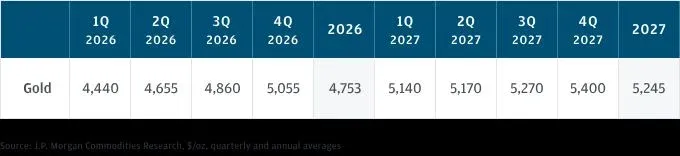
JPMorgan, on the other hand, argues that a weaker U.S. dollar together with the structural tendency of central banks to continue hoarding gold could push the price past $5,000 per ounce by the end of 2026. Nevertheless, the trajectory of real interest rates, U.S. monetary policy moves and macro‑economic data releases could still force the price to trade sideways around key support levels.
Four Main Ways to Gain Exposure to Gold in 2026
With gold expected to hover in the $4,500–$5,000 range, investors can participate through four primary channels. Each method differs in terms of ownership form, liquidity, operational complexity and the spectrum of risks involved.
1. Physical Gold: Bars, Coins and Jewellery
Holding gold bars, investment coins or jewellery represents the most direct form of gold ownership. Investors physically possess the metal, eliminating issuer default risk, and the “tangible” appeal becomes especially noticeable during strong bull markets.
Operational Details
- Bars: Investment‑grade bars that meet the London Bullion Market Association (LBMA) “Good Delivery” standard have a minimum purity of 995.0 (99.5%).
- Coins: Highly liquid, but retail purchases usually carry a premium of 6%–10%; on secondary‑market resale a discount of 2%–6% may be applied.
- Jewellery: In some regions it enjoys cultural value and relatively high liquidity, yet fabrication costs and wear‑and‑tear typically make its investment efficiency lower than that of bars or coins. The shift in India’s 2025 market, where high prices pushed demand from jewellery toward coins and bars, illustrates this point.
Advantages
- Full direct ownership with no custodial risk from financial institutions.
- Standardised bars and coins are easy to authenticate and transfer globally.
- Enables private holding without reliance on exchanges or brokers.
Limitations
- Premiums at purchase and discounts at resale can significantly compress short‑term returns.
- Investors must arrange their own insurance, safe‑deposit box or professional vault, incurring additional costs.
- Liquidity varies by form: coins are generally easier to liquidate, whereas bars may require a longer transaction chain.
Physical gold suits investors who value the material nature of the asset, are willing to shoulder storage responsibilities and intend to hold for the long term as an inflation hedge.
2. Gold ETFs and Gold Mutual Funds: Paper Exposure Backed by Regulation
Gold ETFs hold physical gold in vaults to back each fund unit, allowing investors to capture price movements without physically storing the metal. Gold mutual funds often hold a basket of gold‑related ETFs, providing a similar indirect exposure route.
Market Performance
In 2025, global gold ETFs attracted about $77 billion of new inflows, with total gold holdings exceeding 700 tonnes—a historic peak (source: World Gold Council).
How They Work
- Each ETF share typically represents 1 gram or 1/10 ounce of gold, with pricing tightly linked to the LBMA spot price.
- Funds are listed on stock exchanges; investors buy and sell through brokerage accounts.
- Mutual funds may permit lump‑sum investment or systematic dollar‑cost averaging (DCA), lowering the entry barrier.
Advantages
- Eliminates the hassle of physical storage and purity verification.
- High intraday liquidity and relatively tight bid‑ask spreads.
- Transparent fee structures make it easy to incorporate into traditional portfolios, retirement accounts or institutional asset allocations.
Potential Drawbacks
- Annual management fees of roughly 0.25%–0.40% can erode net returns over long horizons.
- Trading is limited to exchange hours; after‑hours or crisis‑time flexibility is constrained.
- Investors hold fund shares rather than specific bars, so they remain dependent on the financial system’s custodial and clearing infrastructure.
ETFs and mutual funds are ideal for investors who want low‑cost, regulator‑approved gold exposure within existing broker platforms and who treat gold as a portfolio‑level asset rather than a personal vault reserve.
3. Gold Futures and Options: Leveraged Derivative Instruments
Futures and options give traders the ability to speculate on—or hedge against—future gold price movements without taking physical delivery. Their high leverage makes capital usage very efficient, but it also magnifies risk.
Futures Basics
- The benchmark GC contract on the CME Group’s COMEX market represents 100 troy ounces of gold. Mini (50‑ounce) and micro (10‑ounce) contracts cater to smaller investors.
- Opening a position only requires posting margin; for example, a 10‑ounce micro contract may need roughly $150 of margin, granting exposure to several thousand dollars of gold price movement.
- Daily trading volume often exceeds 300,000 contracts, providing ample liquidity and near‑continuous 24‑hour trading across Asian, European and American sessions.
Options Overview
- Options give the holder the right, but not the obligation, to buy (call) or sell (put) a gold futures contract at a predetermined strike price before expiration.
- Unlike futures, the maximum loss for an option buyer is limited to the premium paid.
- Implied volatility metrics such as the CME CVOL reflect market expectations of future gold price swings and are useful for pricing and strategy decisions.
Advantages
- Profit potential on both upward and downward price moves, supporting long and short strategies.
- Small margin requirements enable large notional exposure, improving capital efficiency.
- Deep liquidity and transparent pricing make futures and options reliable hedging tools for institutions and professional traders.
Risk Considerations
- Leverage amplifies losses when the market moves against the position; robust risk‑management protocols are essential.
- Contracts have fixed expiration dates; maintaining a position beyond expiry requires rolling over, which can incur additional costs or slippage.
- Options strategies involve Greeks, implied volatility and other technical concepts that present a learning curve for novices.
Futures and options are best suited for active traders or institutional hedgers who understand contract specifications, margin rules and the dynamics of leveraged trading.
4. Tokenised Gold: Digital Metal on the Blockchain
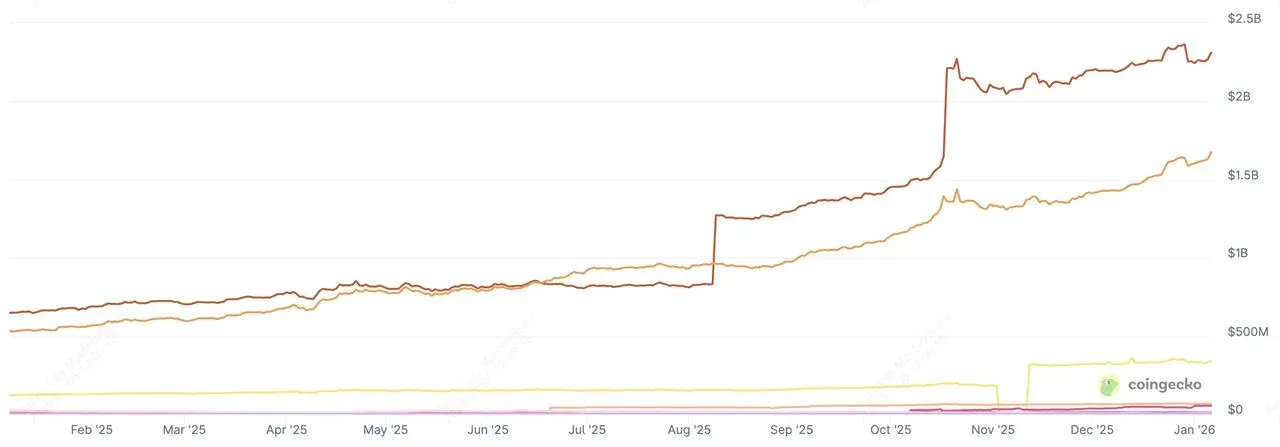
Tokenised gold places physical gold bars in audited vaults and issues blockchain‑based tokens that represent an equivalent amount of metal, thereby digitising gold’s value. As of January 2026, leading tokens such as PAX Gold (PAXG) and Tether Gold (XAUT) have collectively surpassed a market capitalisation of $4.5 billion, signalling rapidly growing demand from both institutions and retail participants for on‑chain gold exposure.
How It Works
- Custody & Audits: Regulated custodians (e.g., Paxos, Swiss vault providers) purchase and store LBMA‑compliant gold bars.
- On‑Chain Minting: Smart contracts on public blockchains such as Ethereum mint tokens, each representing 1 troy ounce of gold (or a fractional unit).
- Transparent Verification: On‑chain proof of reserves combined with periodic third‑party audit reports ensure a 1:1 correspondence between token supply and physical gold holdings.
- Trading & Redemption: Tokens can be bought or sold on centralized or decentralized exchanges 24/7. Holders may also redeem tokens for physical gold or cash according to the issuer’s redemption policy.
*For U.S. residents, token purchases and redemptions must be conducted through platforms that support Binance.US or other compliant services, as the global Binance platform is not available in the United States.*
Advantages
- 24/7 Global Liquidity: Trading is not bound by traditional exchange hours, allowing instant execution.
- Fractional Ownership: Investors can acquire as little as 0.1 ounce—or even smaller fractions—lowering the entry barrier.
- No Self‑Storage Costs: Custodial vaults and insurance are managed by the issuer, removing the need for personal storage arrangements.
- On‑Chain Transparency: Blockchain records provide real‑time auditability of token issuance versus gold reserves.
- DeFi Compatibility: Tokens can be used as collateral, for lending, or as liquidity provision in decentralized finance protocols, extending the functional use‑cases beyond simple price exposure.
Potential Risks
- Reliance on the issuer’s and custodian’s audit quality; regulatory regimes differ markedly across jurisdictions.
- Some tokens may experience limited liquidity, leading to wider bid‑ask spreads.
- Legal classification is still evolving; certain jurisdictions may treat tokenised gold as securities or payment instruments, affecting compliance and tax treatment.
- Crypto‑related gains, including those from tokenised gold, may be taxable under local tax laws; investors should consult a tax professional in their jurisdiction.
Tokenised gold is appropriate for investors who want flexible, digital‑first exposure to gold without the responsibilities of physical storage, and who are comfortable operating within the broader cryptocurrency ecosystem.
Key Comparative Table: Physical Gold, ETFs, Futures and Tokenised Gold
Conclusion: Which Gold Investment Method Fits You Best in 2026?
Against a backdrop of high global debt levels, persistent geopolitical tensions and uncertain monetary policy, gold is likely to remain a core defensive component in diversified portfolios. Most institutional forecasts place the price corridor between $4,500 and $5,000 per ounce, with upside driven more by external pressures than by rapid economic expansion.
- If you value tangible preservation and are comfortable bearing storage costs, gold bars or LBMA‑standard coins provide the most straightforward avenue.
- If you prefer low‑cost, regulator‑approved exposure within your existing brokerage, ETFs or gold mutual funds deliver high liquidity and operational convenience.
- If you possess derivative‑trading experience and wish to leverage short‑term price swings, futures and options are suitable—provided you apply strict margin‑risk controls.
- If you seek 24/7, fractional, and transparent exposure within the digital finance ecosystem, tokenised gold offers a blend of physical backing and blockchain efficiency.
For most newcomers, gold should serve as a volatility‑reducing layer rather than a leveraged bet. Regardless of the chosen channel, define position sizing, set clear objectives and fully understand the associated fee structures and volatility profiles. Prior to investing, assess your own financial situation and risk tolerance, and ensure that gold fulfills the intended stabilising role in your overall asset allocation.
---
For more detailed information on gold investing, feel free to search the archives of Bitaigen (比特根) or follow the related links below. Thank you for your attention and support!
💡 Register on Binance with referral code B2345 for the maximum trading fee discount. See Binance complete guide.



