
 Bitaigen Research
 In this article we untangle the mysteries surrounding the birth of Bitcoin, covering technical details and community legends, tracing Satoshi Nakamoto’s academic footprints and the various speculations, and analyzing the profound impact on the digital‑currency ecosystem. If you want to learn who the “father of Bitcoin” might be, keep reading.
Bitcoin has been in the spotlight since its debut in 2008, and the identity of its creator has remained a hot topic.
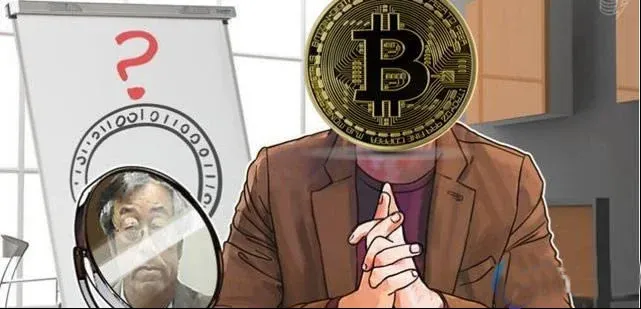
The “father of Bitcoin” is Satoshi Nakamoto; his real identity has never been disclosed, and both academia and industry have offered numerous guesses, often pointing to Shinichi Mochizuki, a mathematician at Kyoto University in Japan, or to other anonymous developers.
Who Is the Father of Bitcoin?
Satoshi Nakamoto first introduced the concept of Bitcoin in the October 2008 whitepaper *Bitcoin: A Peer‑to‑Peer Electronic Cash System*. He then released the open‑source software and the peer‑to‑peer (P2P) network based on that idea, turning Bitcoin into a digital currency composed of a string of computer code and briefly making it the focus of the global financial markets.
The pseudonym Satoshi Nakamoto quickly spread throughout the Bitcoin community, spawning a range of merchandise and fan creations. Examples include T‑shirts bearing the slogan “I am Satoshi Nakamoto”, the proposal to name Bitcoin’s smallest unit the satoshi, and science‑fiction novels and comics themed around “Satoshi”.
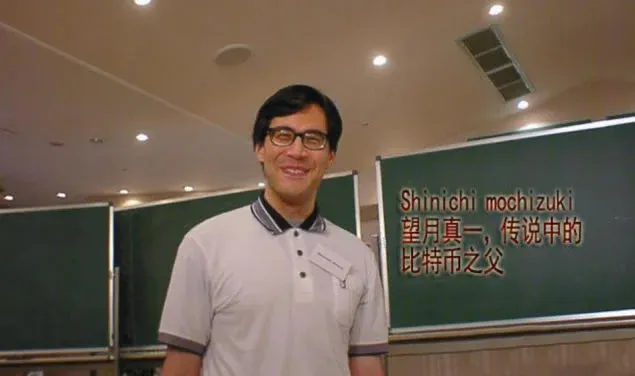
On May 20 2013, American computer scientist Ted Nelson publicly speculated that Satoshi Nakamoto could be Shinichi Mochizuki, a mathematics professor at Kyoto University, praising him as fully deserving of a Nobel Prize in Economics.
Background of Shinichi Mochizuki
- Born in 1969, entered Princeton University in the United States at age 16 for his undergraduate studies, and earned his Ph.D. at 23.
- Became a full‑time professor at Kyoto University at 32, researching mathematical algorithms that are relevant to Bitcoin.
- Maintains a low‑key personal style, prefers independent research, and typically provides no extra commentary after publishing a paper, leaving interpretation to readers.
On Bitcoin’s launch day, computers began mining continuously; some observers speculate that the hardware may have belonged to Mochizuki himself.
Although the claim that Satoshi Nakamoto is Shinichi Mochizuki has not been officially confirmed, if it were true his Bitcoin holdings in early 2013 would have been valued at over USD 100 million, potentially growing to several billion USD later on.
Individuals Who Have Claimed to Be Satoshi
| Person | Time | Main statement or event |
|---|---|---|
| **Hal Finney** | End of 2013 | Gained media attention when Bitcoin hit USD 1,000 and was considered by some as a possible Satoshi |
| **Shinichi Mochizuki** | 2013 | Speculated by others because of his mathematical achievements, but no direct evidence |
| **Dorian Nakamoto** | 2014 | After a hack of his email, he said he accidentally obtained the mailbox information and denied being Satoshi |
| **Craig Wright** | 2016 | Claimed to possess Satoshi’s private key; later retracted the claim after failing to provide verifiable proof |
| **Self‑proclaimed Pakistani Satoshi** | August 2019 | Attempted to prove his identity through three live streams; later exposed as a marketing stunt |
Closing Remarks
When trading Bitcoin, selecting a platform that offers a stable and reliable user experience is crucial. Network connectivity and response speed directly affect transaction safety and overall satisfaction. For users in the United States, platforms such as Binance.US (instead of the global Binance) should be used to remain compliant with local regulations. For fiat deposits and withdrawals, most exchanges support SEPA or SWIFT transfers, allowing smooth conversion between USD and other currencies.
The above provides an overview of the father of Bitcoin discussion. For more in‑depth material on Satoshi Nakamoto, follow the dedicated articles from Bitaigen.
Related Reading
- Who Is Satoshi Nakamoto? Bitcoin's Anonymous Founder & 1.1M BTC Mystery
- Satoshi Nakamoto Identity & Bitcoin Holdings Traced
- 2025 Bitcoin Ownership: Satoshi, Institutions & Reserves
💡 Register on Binance with referral code B2345 for the maximum trading fee discount. See Binance complete guide.



