
 Bitaigen Research
In this article we systematically outline Bitcoin’s origin, core technology, and the purchase process on Binance. By explaining blockchain and mining mechanisms in plain language, you will quickly grasp how it operates and its real‑world use cases, helping newcomers take the first step in a safe and compliant manner.
How Bitcoin Works
Bitcoin is not a product of any company; it is an entirely open payment network that any user with an internet connection can join. The network’s core is the blockchain—a decentralized ledger that records every Bitcoin transfer. Each transaction is bundled into a “block,” which is then linked sequentially to previous blocks, forming an immutable chain.
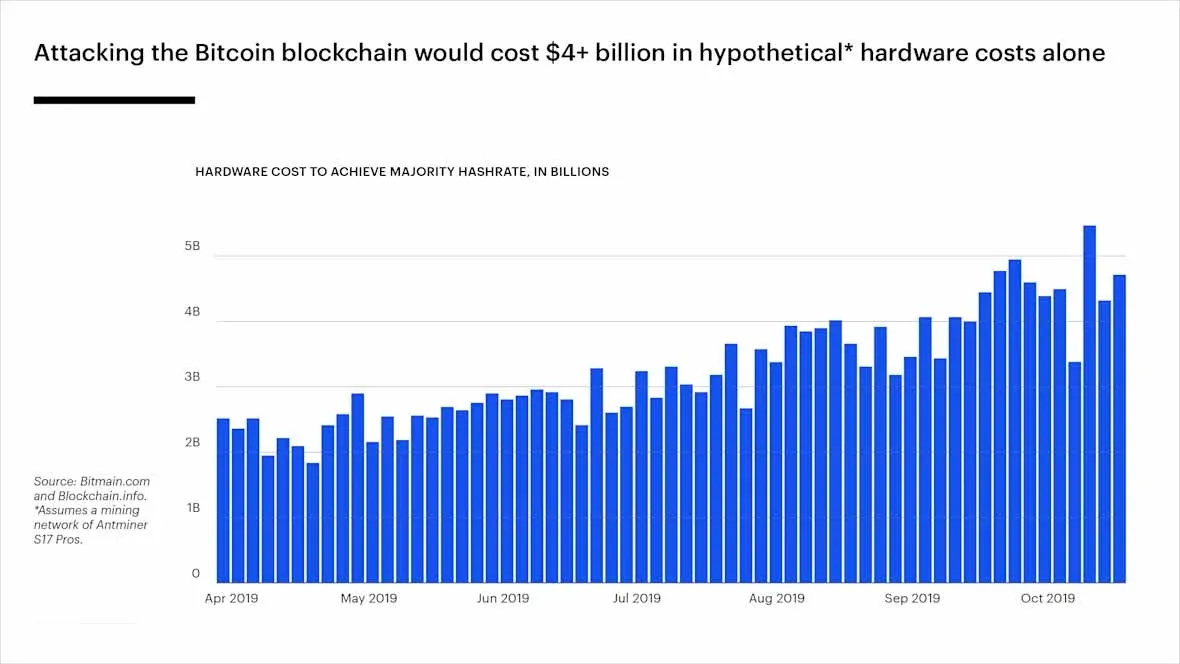
- Devices that validate and write new transactions are called miners. In the early days a regular desktop computer could participate; today specialized hardware is required, typically provided by mining farms or pools of individual miners. (In October 2019, the hash power needed to mine one Bitcoin was 12 trillion times the hash power Satoshi Nakamoto used to mine the genesis block in January 2009.)
- Miners compete to solve a mathematical puzzle for the right to add a block; roughly every 10 minutes a winner emerges. The winner receives a block reward, which halves over time—by May 2020 each block rewarded 6.25 BTC, and after the 2024 halving it dropped to 3.125 BTC.
- All newly minted Bitcoins and every subsequent transfer are permanently written to the blockchain. Anyone can query the public ledger, but no single entity can control or alter it.
What Bitcoin Is
Bitcoin is a cryptography‑based digital currency designed for secure peer‑to‑peer transfers. Unlike payment tools such as Venmo or PayPal that rely on banks or credit‑card networks, the Bitcoin network is not directly managed by any government, financial institution, or corporation; any two people anywhere in the world can transact directly without an intermediary.
- Transaction records are stored on the blockchain, which functions as a distributed ledger; every participating node holds a full copy.
- The total supply is hard‑capped at 21 million coins, preventing dilution through issuance.
- Holding Bitcoin does not require buying a whole coin; the smallest unit is 0.00000001 BTC, called a “satoshi.”
Bitcoin Basics
Since the Bitcoin network launched in 2009, thousands of derivative crypto assets have appeared, yet BTC remains the asset with the highest market capitalization and trading volume.
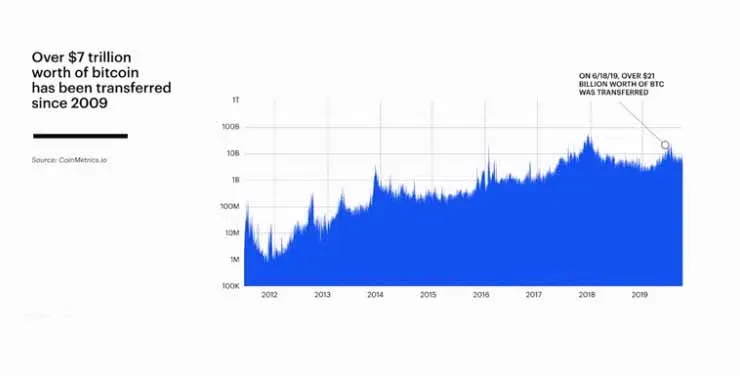
- Investment vehicle: a store of value comparable to gold.
- Value transfer: moving assets quickly and at low cost across borders.
- Technical exploration: as the first native internet‑born currency, it provides a sandbox for decentralized finance experiments.
Bitcoin differs from traditional fiat money because it does not depend on banks or payment processors, making it usable for cross‑border remittances, online shopping, and charitable donations. Companies such as Microsoft and Expedia already accept Bitcoin as payment. Although it exists only in digital form, it fulfills the three classic monetary functions: medium of exchange, store of value, and unit of account.
Who Created Bitcoin
The concept of Bitcoin first appeared as a whitepaper at the end of 2008, authored under the pseudonym Satoshi Nakamoto. To this day, no one has definitively proven the real identity behind the name. The whitepaper proposed using cryptography and distributed computing to solve the problem of “value transfer without a trusted intermediary,” introducing the core ideas of private keys and the blockchain.
- A private key is a random alphanumeric string used to unlock the Bitcoins stored on the blockchain.
- The blockchain records the ownership associated with each private key, ensuring uniqueness and resistance to forgery.
Bitcoin’s birth marked a breakthrough of computer science in finance: it enables anyone to exchange value without banks, credit‑card companies, or even governments, laying the technical groundwork for a freer, more efficient open‑finance system.
How to Acquire Bitcoin
The most convenient channel is a centralized exchange, for example Binance. On Binance, users do not need to manage private keys themselves; they can buy, sell, transfer, and store Bitcoin within the platform.
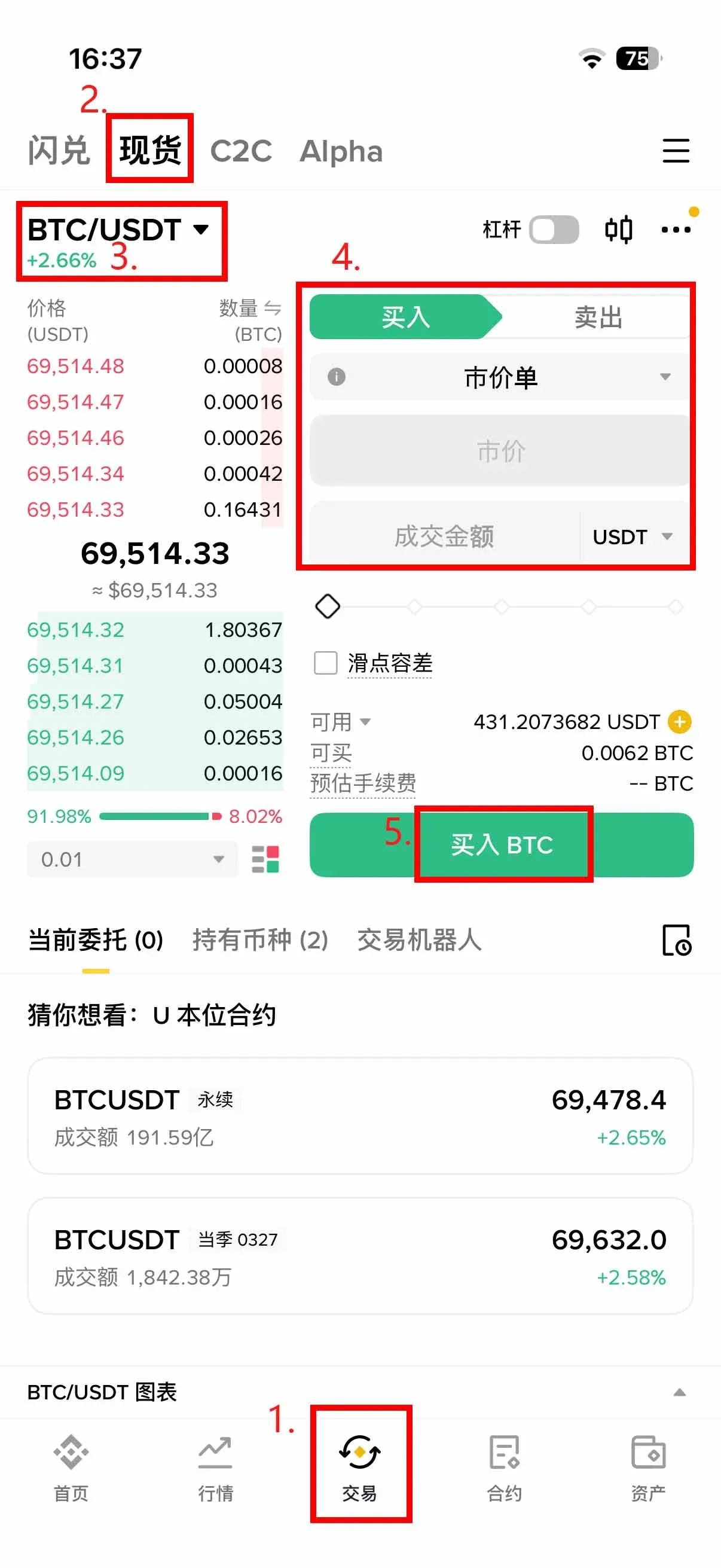
- Open the Binance app and type BTC into the search bar at the top.
- Confirm you are in the Spot trading area.
- Select the trading pair BTC/USDT.
- In the Buy section below, choose either a Market Order (executed at the current price) or a Limit Order (price you set yourself).
- Enter the amount of USDT you wish to spend, then tap Buy BTC to complete the purchase.
Note for U.S. residents: Binance’s global platform is not available in the United States. U.S. users should use Binance.US or another regulated U.S. exchange.
If you prefer to hold the asset yourself, follow these steps:
- Every network node possesses a public key/private key pair. The public key works like an email address and can be shared to receive funds; the private key is akin to a password and is the only way to unlock the associated Bitcoins.
- After purchasing or receiving Bitcoin, generate a receiving address from the public key. Only the holder of the matching private key can spend the funds at that address.
- Storage options are diverse; the most common are software wallets, hardware wallets, or paper wallets kept offline.
How to Use Bitcoin
The practical payment experience with Bitcoin has evolved from the early “buy a pizza” story to a viable everyday‑spending option. Using it is similar to a credit card, except you do not enter a card number or CVV; instead you scan a merchant‑provided QR code or manually input the receiving address via your wallet app.
- Privacy protection: Payments reveal only the Bitcoin address and amount, unless you need to provide shipping details for a physical purchase.
- Multiple scenarios: You can withdraw cash at Bitcoin ATMs, spend Bitcoin through debit‑card programs at brick‑and‑mortar stores, or pay directly on online platforms that accept Bitcoin.
- Portfolio allocation: Holding Bitcoin can be part of an asset‑allocation strategy or used for charitable giving and other special purposes.
Because the Bitcoin network employs strong cryptographic techniques, its transactions are inherently more secure than traditional card‑based payments.
What Makes Bitcoin a New‑Type Currency
- Globally accessible: Anyone, anywhere, at any time can send funds without being limited by bank opening hours or cross‑border fees.
- Irreversible: Once a transaction is confirmed on the chain, the sender cannot retract it, contrasting with the dispute‑friendly nature of centralized payment systems.
- Pseudonymous: Apart from the address and amount, no personal identification data is attached to a transaction.
- Secure: The network has resisted successful hacks for over a decade; its open‑source code is continuously audited by security researchers worldwide.
- Open: All transactions are transparent; anyone can view the ledger, and the software is freely available for public use and modification.
Where Bitcoin Originated
Bitcoin is generated by a globally distributed network of computers that “mine” through proof‑of‑work. Whenever the network aggregates enough transaction data, a new block is formed and linked to the existing chain via the proof‑of‑work mechanism, continuously extending the ledger.
Difference Between Bitcoin and Blockchain
A blockchain is a time‑ordered, distributed record of transactions that every participating node stores a full copy of. The Bitcoin blockchain specifically records Bitcoin transactions and the associated public keys. Beyond Bitcoin, blockchain technology has been applied to supply‑chain management, identity verification, and many other non‑financial domains.
Key Questions
What is Bitcoin?
Bitcoin (BTC) is a decentralized digital currency that enables encrypted peer‑to‑peer transactions without central bank involvement.
Is Bitcoin a cryptocurrency?
Yes, BTC was one of the first cryptocurrencies to achieve widespread acceptance and is often regarded as the flagship digital currency.
Can Bitcoin be summed up in one sentence?
Bitcoin is peer‑to‑peer electronic cash built on blockchain technology, operating without any central authority.
Is Bitcoin suitable as an investment?
Like any asset, buying Bitcoin allows you to seek price appreciation, but it also carries the risk of loss.
What was Bitcoin’s initial price?
In early 2010 Bitcoin was worth less than one cent USD; it broke the $1 mark in the first quarter of 2011; it approached $20,000 at the end of 2017; and in November 2021 it peaked at $64,899 USD.
Tax reminder: Crypto gains may be taxable in your jurisdiction. Consult local tax regulations or a professional advisor to ensure compliance.
This concludes the article “What is Bitcoin? Who created it? How to buy Bitcoin on Binance? How it works, usage guide.” For deeper insights, search for Bitaigen (比特根) or continue reading the related articles below. Thank you for following and supporting our content!
Related Reading
- Bitcoin Hits $96,000 New 2026 High – Bullish Trend Signals
- Bitcoin Rebounds on Spot‑ETF Inflows: Short‑Term Impact
- Bitcoin Drops After Supreme Court Rules on Trump Tariffs
💡 Register on Binance with referral code B2345 for the maximum trading fee discount. See Binance complete guide.



